
Reviewed · COOKING CLASSES
Traditional Mexican Cooking Class
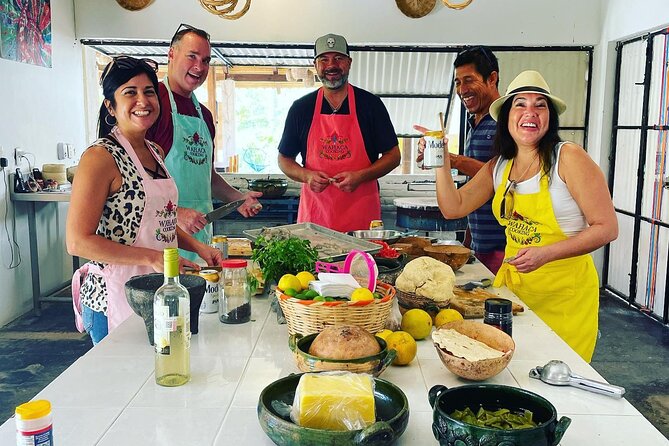
Three hours, and your salsa game changes. You get picked up in Huatulco, ride out toward Playa La Bocana, then roll up your sleeves at Wahaca Cooking to cook Oaxacan-leaning classics, drink hibiscus water, and learn the stories behind the food.
I especially love the small group feel, because it stays conversational and hands-on, not lecture-style. I also like that the meal comes with scratch margaritas made from scratch, and the cooking doesn’t end when you plate.
The only caution: this is truly hands-on cooking, so expect flour, salsa, and a bit of kitchen chaos, even if it is friendly chaos.
In This Review
- Key things I’d circle on your Huatulco cooking calendar
- From your hotel to Playa La Bocana, then straight to the kitchen
- Wahaca Cooking, with a small group and an outdoor-friendly vibe
- How ingredient prep turns into real flavor (and real lessons)
- The food plan: empanadas, green and red salsas, and a tortilla-and-sop journey
- Empanadas with huitlacoche and squash
- Red and green salsas: roasted red plus tomatillo salsa verde
- Tortillas and sopes: practice until your hands get it
- Hibiscus water, margaritas from scratch, and the meal you cook
- Getting the most out of a 3-hour cooking class
- Dietary needs: ask ahead, and expect flexibility in practice
- Who should book this Huatulco cooking class (and who might not love it)
- A real sense of place, without feeling like a museum tour
- Should you book Wahaca Cooking Classes in Huatulco?
- FAQ
- What time does the cooking class start?
- How long is the experience?
- Do you offer pickup from hotels in Huatulco?
- Is the class offered in English?
- How many people are in the group?
- What dishes will I make during the class?
- Are drinks included?
- Will I get recipes after the class?
- Is free cancellation available?
Key things I’d circle on your Huatulco cooking calendar
- Pickup from Huatulco hotels so you can show up and cook, not coordinate transport
- Playa La Bocana stop that sets a relaxed mood before you hit the cutting board
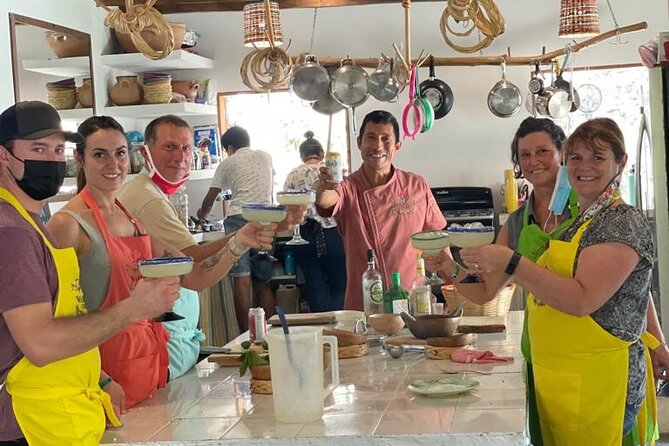
- Maximum 12 people means you actually get time with the instructor
- Empanadas, salsas, tortillas, and sopes are built around real technique, not just assembly
- Hibiscus water and fresh margaritas show up during the session, with the meal
- Recipes emailed after so your effort does not disappear once vacation ends
From your hotel to Playa La Bocana, then straight to the kitchen
This is a half-day style outing, timed to start at 9:30 am, and it begins with a real convenience: pickup. The tour offers pickup from hotels across the Huatulco area, which matters because cooking classes are better when you are not stressed about parking, buses, or arriving sweaty.
After pickup, you drive to Playa La Bocana, and the trip is part of the experience. It gives you that Huatulco feel right away, a breather before you get busy chopping and mixing. You also know what you are doing with your morning, which is not always true with classes that start later or are vague.
Practical tip: bring sunscreen and something lightweight. Even if the cooking happens under a sheltered setup, the sun can still find you on the ride and during any outdoor moments.
Backup plans for Huatulco
- Street Food Cooking Class
★ 5.0 · 125 reviews - Seafood Cooking Class
★ 5.0 · 38 reviews - Cabo San Lucas Mexican Cooking Class Experience and Local Markets
★ 5.0 · 915 reviews
Wahaca Cooking, with a small group and an outdoor-friendly vibe
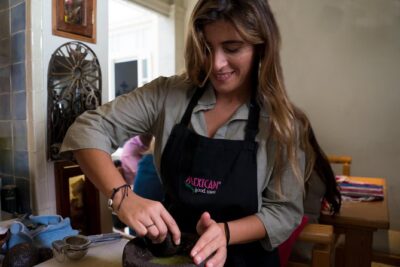
Once you arrive at Wahaca Cooking, you jump in immediately. The pace is active: chopping, dicing, cubing, mixing, tasting, correcting, and learning as you go. That hands-on flow is why this class works for both beginners and people who have cooked a few things before.
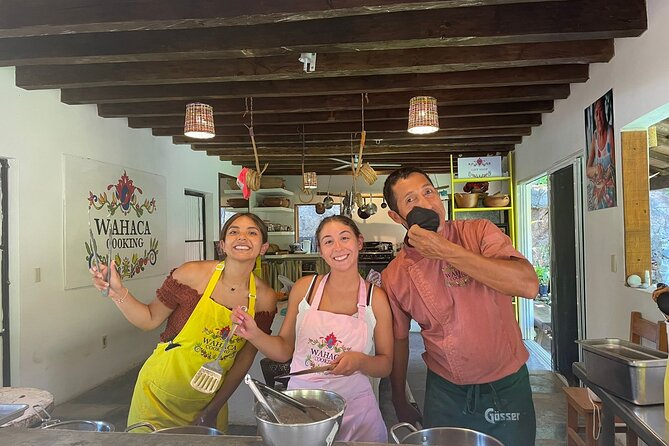
The group size cap is 12 people max, which keeps the atmosphere comfortable. You get questions answered in plain, practical terms, and you can usually adjust your technique without feeling rushed or judged. In the past, the host Alfredo has been described as warm and family-like in the way he runs the kitchen, and that comes through in how the session feels.
The cooking space is also described as comfortable and breezy, and that matters in a tropical climate. You are not packed into a tight room. You are working in a setup that feels designed for real cooking, not just watching.
How ingredient prep turns into real flavor (and real lessons)
One of the best parts is how the class connects ingredients to everyday life in Mexico. You are not only making dishes, you’re learning about traditions and how people cook in rural settings. That context helps you understand why certain choices matter, like when to lean on roasted flavors, or why corn-based dough techniques are the backbone.
There may also be a chance to shop for ingredients in a market setting as part of the experience. Some sessions include learning about produce, plants, and staples, with the guide walking you through what to look for and why it matters. Even if you skip market time on a particular day, the cooking itself still follows that same idea: ingredients are the lesson.
In terms of instruction, the class has been led by Alfredo, and at least one other instructor name has shown up in past sessions as Antonio. Both point the same way: explain the why, then let you do it.
Practical tip: when you taste salsas, take notes. Ask yourself what you like, then ask which step caused it. That turns the class into a skill you can repeat later.
The food plan: empanadas, green and red salsas, and a tortilla-and-sop journey
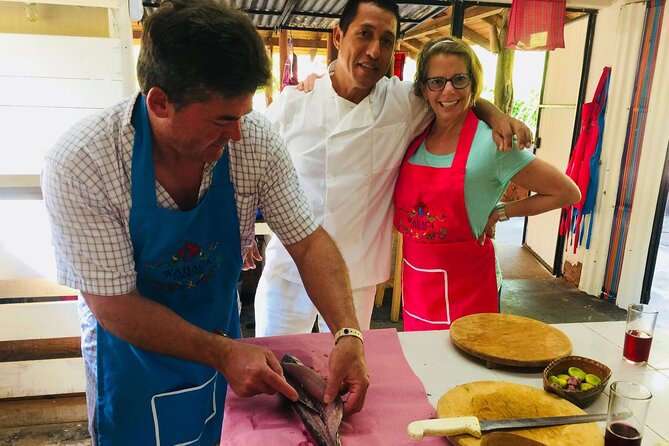
The menu centers on classics with strong Oaxacan identity and Mexican technique. On the sample menu, you’ll focus on:
- Main: Empanadas made with corn dough, filled with huitlacoche and squash a la mexicana
- Starters: Green and red salsas including roasted red salsa and tomatillo salsa verde
- Tortillas and sopes where you practice tortilla making and then assemble traditional sopes with refried beans and queso fresco
Here’s why these choices are smart. Empanadas teach dough work and filling balance. Corn tortillas teach you the most important texture skill in Mexican home cooking. Salsas teach you acidity, roast depth, heat control, and salt management.
Close by, worth a second look:
- Tour to Copalitilla Magical Waterfalls from Huatulco with admission included
★ 5.0 · 359 reviews - Full Day Tour of the Bays of Huatulco
★ 4.5 · 217 reviews - Kayak Huatulco Sunrise
★ 5.0 · 166 reviews - Ocean Eco Adventure with Marine Biologist Guides
★ 5.0 · 149 reviews
Empanadas with huitlacoche and squash
Huitlacoche can feel unusual if you have never tried it. It’s often described as a corn fungus used as a culinary ingredient, with a deep, savory flavor. Pairing it with squash keeps the filling from feeling heavy and gives you a more rounded bite.
You’ll practice making corn dough, then shaping empanadas. The technique is the point. Even when the filling tastes good, the empanada only works if the dough is right and the edges hold.
If you want to impress yourself later, focus on dough handling. Learn how it should feel before it becomes fried or cooked, then remember that sensation.
Red and green salsas: roasted red plus tomatillo salsa verde
Expect two distinct directions. The roasted red salsa leans into smoky sweetness and depth. The salsa verde uses tomatillos for brightness and tang.
A helpful mindset: salsa is a balancing act, not just a recipe. You’ll likely adjust heat and salt based on taste. That is where classes like this earn their keep, because you leave knowing what to fix next time.
Tortillas and sopes: practice until your hands get it
Tortilla making is the big confidence builder here. The class is designed to teach you how to master the process, not just follow steps. Corn tortillas live or die by consistency, heat, and timing.
Then you build sopes, using refried beans and queso fresco. Sopes are a great finale because they show how corn and toppings work together in a satisfying, structured bite.
If you’re a beginner, don’t worry. The aim is technique, and the small group size helps you get feedback. If you already cook, you’ll still likely learn better ways to handle dough and salsas so everything tastes more intentional.
Note: some past sessions have included extra items like tacos or tamales. The core focus stays tortillas, salsas, and Mexican corn technique, but the exact lineup can shift by day.
Hibiscus water, margaritas from scratch, and the meal you cook
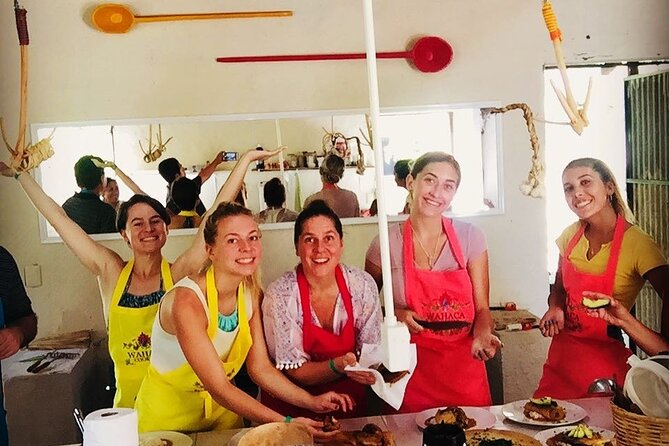
During the session you’ll be sipping refreshing hibiscus water, and later you’ll sit down to enjoy the food you made with margaritas freshly made from scratch. That matters more than it sounds. It turns a class into a full experience, where you taste and celebrate what you just created.
The meal portion also has social value. You eat together, so the experience doesn’t feel like a rushed transfer from one station to the next. You can ask questions while you’re eating, and you can pick up little tricks you might miss during prep.
If you drink alcohol, keep in mind this is still a cooking day with active hands. Sip, don’t sprint. Hibiscus water is also a solid choice if you want flavor without alcohol.
Getting the most out of a 3-hour cooking class
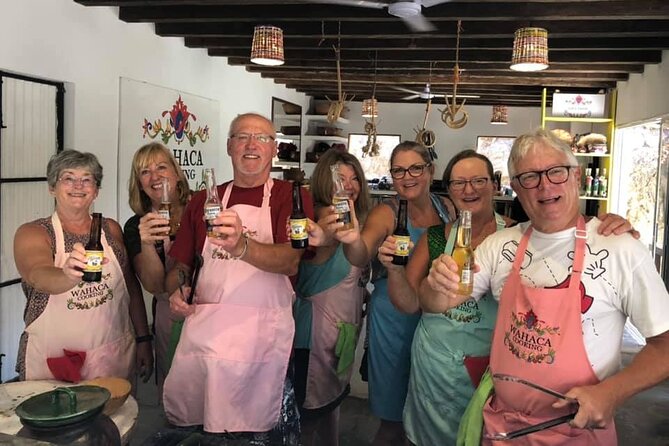
With a 3-hour timeline, every minute counts. This class keeps the pace tight, so you can’t treat it like a slow cooking day. The upside is that you’ll leave with a finished meal and practical know-how, not just ingredients and good intentions.
To get the most value, do these three things:
- Ask one question while you cook, not five after. Example: what should the dough feel like right now?
- Taste as you go, especially with salsa. If it tastes flat at any point, that’s usually fixable.
- Watch how the guide corrects small errors. In classes like this, the small adjustments are the difference between okay and great.
Also, you get recipes sent via email afterward. That’s helpful because you can recreate the dishes without guessing what changed between your tastes during class and the final plate.
Dietary needs: ask ahead, and expect flexibility in practice
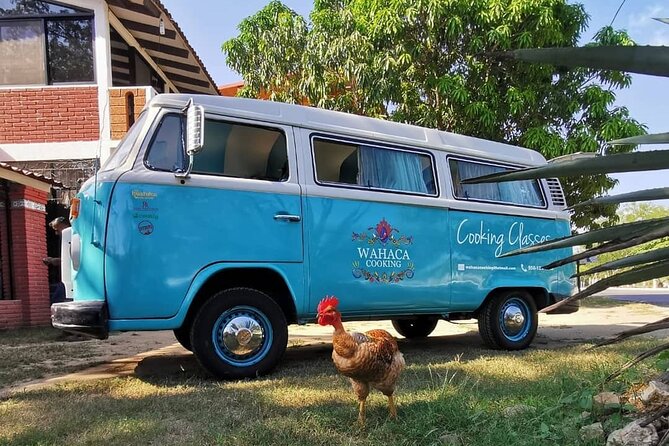
One vegan-focused review noted accommodation for a vegan diet, including guidance for making refried beans and tortillas. That suggests the instructor can adapt at least some components when asked.
Still, don’t assume every dish can switch cleanly. If you have dietary needs, message ahead and be clear about what you avoid. Then, use class time to ask how they plan to handle it, so you can relax and cook with confidence.
Who should book this Huatulco cooking class (and who might not love it)
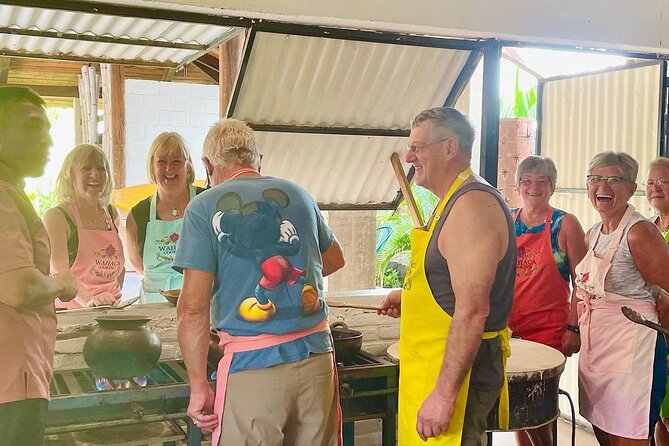
This is a great fit if you want technique and culture in the same morning. It’s especially good for food lovers who like learning why Mexican cooking works, not just memorizing steps. The group is small, the setting is comfortable, and the meal is part of the payoff.
It’s also a solid family option. Past families said everyone from the adults to younger participants felt included, because the host gets people involved in prep and cooking rather than watching silently.
You might want to skip this class if you prefer a purely observational experience. This one is built around hands-on work, chopping, and active participation.
A real sense of place, without feeling like a museum tour
The standout theme is how this class blends cooking with life in Mexico. You hear stories about traditions and rural life while you work. The food is the center, but the talk gives the food meaning.
For me, that makes the class easier to remember. I do not just remember tasting salsa. I remember what kind of roast flavor it should have, how tomatillos bring brightness, and what makes tortilla timing matter.
It also helps you eat differently later in Huatulco and beyond. You start thinking like a cook, even when you are just ordering a meal.
Should you book Wahaca Cooking Classes in Huatulco?
Yes, if you want a hands-on Mexican cooking class with real technique, a small-group feel, and a meal that includes hibiscus water and margaritas. The menu choices are excellent for learning core skills: empanada dough, corn tortillas, and two very different salsas.
I’d book it especially if you are short on time and want a high-return experience. Three hours is enough to make something you can repeat at home, and the emailed recipes help you do it.
Skip it only if you hate getting your hands messy or you want a quiet, sit-and-watch format. Otherwise, this is the kind of morning where you leave full, informed, and ready to cook.
FAQ
What time does the cooking class start?
The class starts at 9:30 am.
How long is the experience?
It lasts about 3 hours.
Do you offer pickup from hotels in Huatulco?
Yes. Pickup is offered from all hotels in the Huatulco area.
Is the class offered in English?
Yes, the tour is offered in English.
How many people are in the group?
The maximum group size is 12 people.
What dishes will I make during the class?
The sample menu includes empanadas, green and red salsas (roasted red salsa and tomatillo salsa verde), plus tortillas and sopes made with refried beans and queso fresco.
Are drinks included?
Yes. You’ll have hibiscus water during the class and margaritas freshly made from scratch with the meal.
Will I get recipes after the class?
Yes. Recipes are sent by email after the experience.
Is free cancellation available?
Yes. You can cancel for a full refund up to 24 hours before the experience starts.
Just added around Huatulco
- Turtle Release Escobilla Sanctuary and crocs in Ventanilla.★ 4.5 · 45 reviews
- Waterfall Experience★ 5.0 · 70 reviews
- Huatulco: Private Transfer Airport – Hotels★ 4.5 · 93 reviews
- Unique Turtle Sanctuary & Sunset Experience★ 4.5 · 21 reviews
- Huatulco Airport: Shared Transfer to/from Huatulco Hotels★ 4.5 · 60 reviews
- Sips and Smiles Walking Experience★ 5.0 · 22 reviews
- Seafood Cooking Class★ 5.0 · 38 reviews
- Tour in Huatulco and Playa La Entrega★ 5.0 · 30 reviews
Cooking Classes, compared.
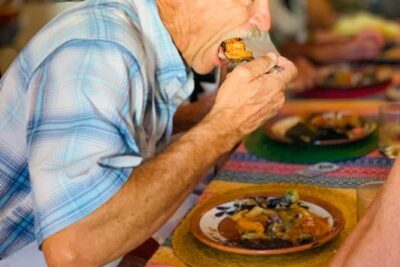
Cabo San Lucas Mexican Cooking Class Experience and Local Markets
Read our review →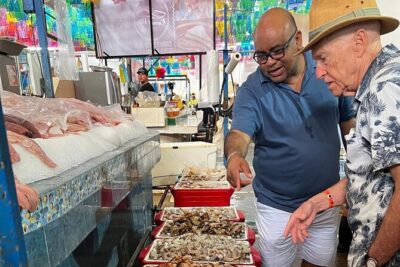
Puerto Vallarta Cooking Class Experience with Market Tour
Read our review →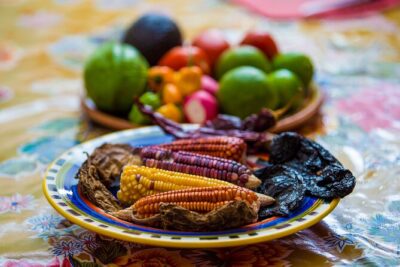
Mexican Cooking from Scratch in a Local Home in Tulum
Read our review →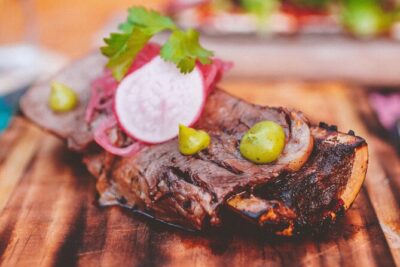
Mexican Cooking Class with Food Market Visit in Mexico City
Read our review →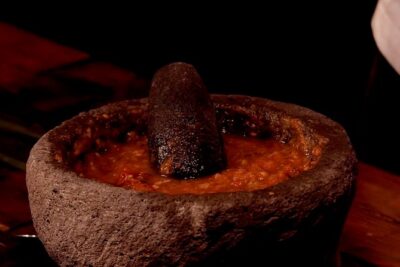
Flavors of Oaxaca: Cooking Class with No Set Menu and Local Market Tour
Read our review →
Taste of the Yucatan: Merida Cooking Class and Market Visit
Read our review →Browse the lists this tour appears in