
Reviewed · MUSEUMS
National Museum of Anthropology: a journey into Mexico’s past – English lang.
Mexico’s ancient art starts making sense fast here. This 3-hour English tour at the National Museum of Anthropology in Chapultepec is built around one big idea: reading indigenous symbolism and worldview so the objects stop looking random. You’ll move room to room, with explanations that connect animals, celestial bodies, and imagery to how ancient people understood life.
I really like how the guide, Hector Balderas Iglesias, teaches you to see patterns instead of memorizing dates. I also like the use of an iPad and visual reconstructions, which helps when the museum gets huge and the details are easy to miss.
One consideration: expect a lot of standing and cosmological explanation, so it’s not a great fit for kids or teens under 16.
In This Review
- Key things I’d zoom in on before you go
- A 3-hour guided reset at Mexico’s National Museum of Anthropology
- The whole point: learning indigenous worldview, not just ancient facts
- Starting at the museum entrance near the Mexican flag
- The big stops you’ll actually spend time on
- Mural of Duality: learning how symbolism organizes meaning
- The Umbrella: a strong example of worldview in everyday visual language
- Teotihuacan Room: seeing systems behind the architecture
- Mexica (Aztec) Room: decoding animals, power, and meaning
- Replica of Pakal’s tomb: connecting art to leadership and time
- How Hector’s style helps you read the museum
- Skip the ticket line, but don’t rush the meaning
- Price and value: is $75 fair for this format?
- What to wear and what to skip inside the museum
- Who this tour is for, and who should pass
- Should you book this tour with Hector?
- FAQ
- Where does the tour start?
- How long is the tour?
- Is the tour in English?
- What is included in the price?
- What is not included?
- What rooms or areas will we visit?
- Is it suitable for children?
- Is the activity mostly walking?
- Is the museum experience wheelchair accessible?
- What items are not allowed during the tour?
- Can I cancel for a refund or pay later?
Key things I’d zoom in on before you go
- Hector Balderas Iglesias leads an English, live, interactive-style museum walk that feels more like a class than a slideshow
- You focus on worldview and symbolism, not just a timeline of events
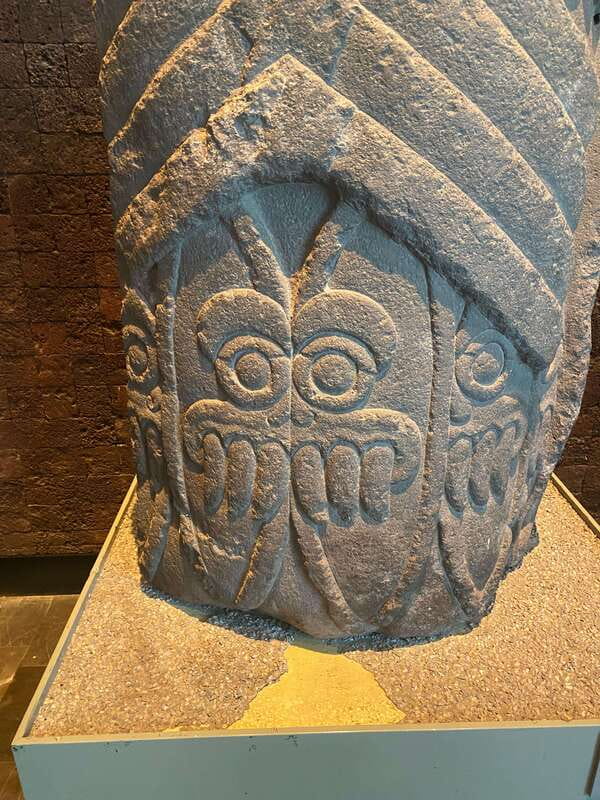
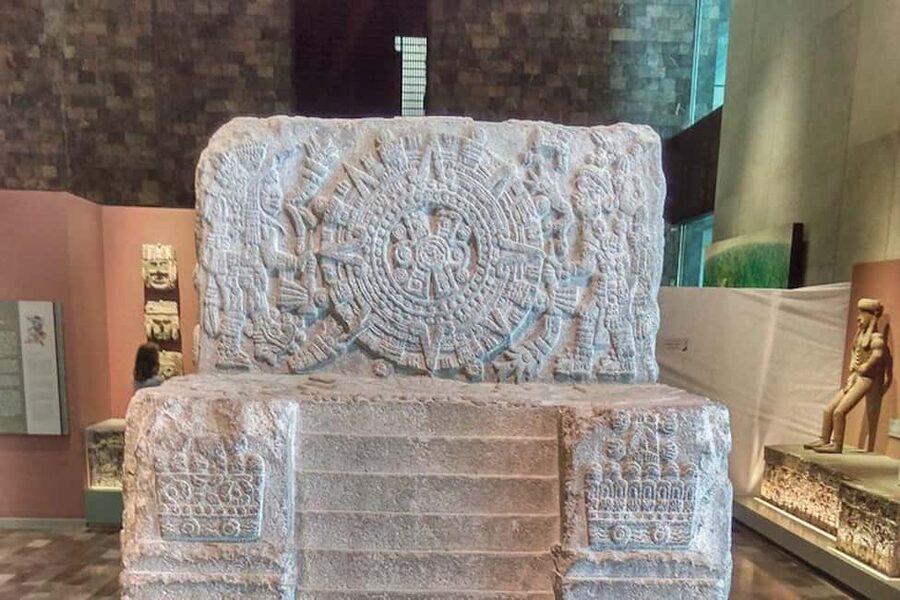
- The route hits major galleries, including the Mural of Duality, the Umbrella, Teotihuacan, and the Mexica (Aztec) room
- You get support visuals via an iPad to clarify what you’re looking at
- A visit to the replica of Pakal’s tomb ties art and power to a bigger story
- Private group format, so you can ask questions and get direct answers
A 3-hour guided reset at Mexico’s National Museum of Anthropology
If you’ve ever walked through a museum and felt like you were reading a language you don’t speak yet, this tour helps. It’s a guided walking experience inside the National Museum of Anthropology, located in the Bosque de Chapultepec area. The pace is tight and focused, built for a 3-hour visit rather than an all-day marathon.
The tour is English and led by Hector Balderas Iglesias. Because it’s a private group, you’re not stuck passively following a large crowd. You’ll also skip the ticket line, which is a practical win when you’d rather spend time looking than waiting.
Backup plans for Mexico City
- Chapultepec Castle & Anthropology Museum Tour
★ 4.5 · 1,348 reviews - Frida Kahlo VIP [Museum Tickets Included] Bike, Markets & Churros
★ 5.0 · 1,072 reviews - Anthropology Museum Guided Tour
★ 4.5 · 1,035 reviews
The whole point: learning indigenous worldview, not just ancient facts
What makes this experience different is the lens. Instead of treating ancient Mexico as a set of isolated civilizations, the tour keeps returning to how people explained the world through cosmology and symbolism. That means you’ll be nudged to ask better questions, like why certain animals appear again and again or what the sun and moon meant to the worldview behind the art.
You’ll also see how complex social systems show up through imagery. It’s not only about mythology as stories. It’s about how the symbolism helped people organize society, understand roles, and make meaning out of daily life.
That approach also explains the tour’s warning label: this isn’t made for young kids. It’s aimed at adults and older teens who want the cosmological framework that supports the artifacts.
Starting at the museum entrance near the Mexican flag
Your meeting point is near the Mexican flag at the museum entrance. Getting there early matters, not because of complicated logistics, but because you’ll get the most from the first explanation. The tour works best when you start oriented and ready to connect what you see to what you hear.
Comfort is the name of the game. Bring comfortable shoes and comfortable clothes, because this is on foot and you’ll spend a lot of time standing.
The big stops you’ll actually spend time on
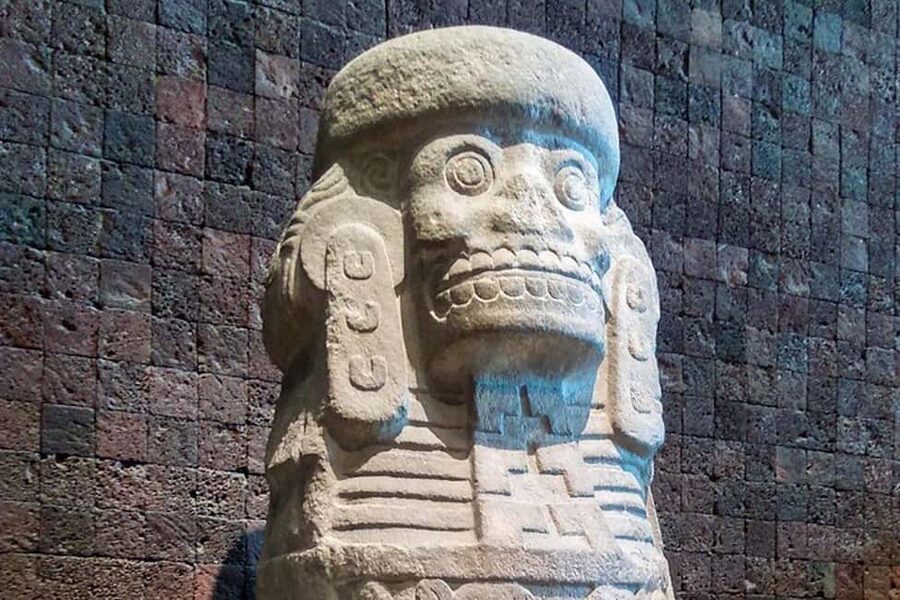
The itinerary isn’t a random sweep. It’s a curated route through some of the museum’s most important and most interpretable areas, so you leave with a mental map, not just scattered impressions.
You’ll spend roughly 3 hours visiting key elements like the Mural of Duality, the Umbrella, the Teotihuacan Room, the Mexica (Aztec) Room, and a replica associated with Pakal the Great. Admission to the museum and its permanent exhibitions is included, so you’re not stuck feeling like the guide time is the only value.
Close by, worth a second look:
- Teotihuacan, Guadalupe Shrine & Tlatelolco Day Tour with Lunch
★ 5.0 · 11,603 reviews - Xochimilco, Coyoacan and Frida Kahlo with Optional Lunch
★ 4.5 · 7,320 reviews - Balloon flight + Breakfast in cave + Pyramids + Pick up CDMX.
★ 5.0 · 6,335 reviews - Teotihuacan pyramids morning or afternoon without tourist traps
★ 5.0 · 6,186 reviews
Mural of Duality: learning how symbolism organizes meaning
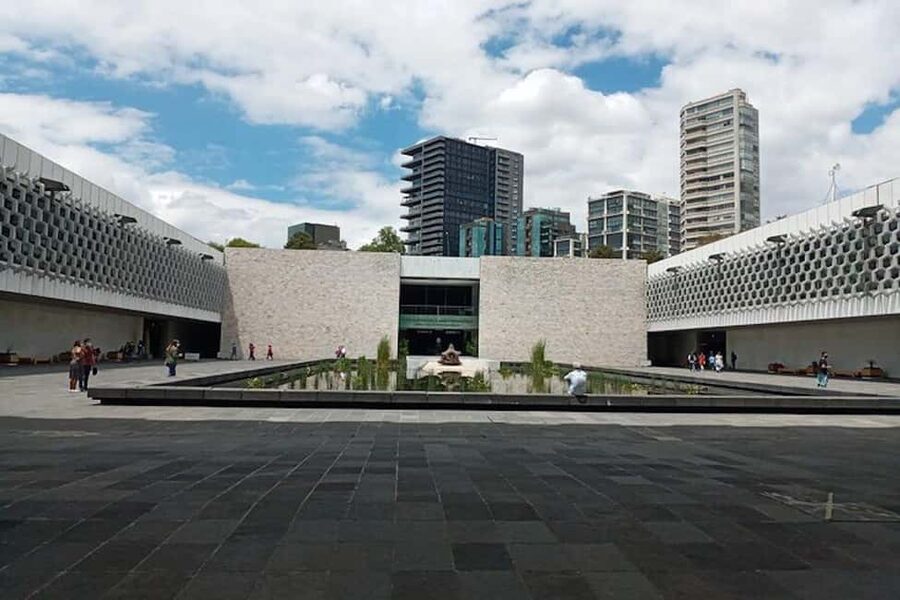
The first stop, the Mural of Duality, is where the tour sets up its worldview framework. Duality shows up across Mesoamerican symbolism in many forms, and the explanation is designed to help you recognize how complementary forces were understood. Even if you’ve seen this kind of imagery before, this kind of “how to read it” start makes the rest of the museum easier to decode.
Here’s what I like about this approach: it trains your eye. After you understand what the tour is trying to teach at the mural, you’re more likely to notice the logic behind other artworks, rather than treating them as decoration.
The Umbrella: a strong example of worldview in everyday visual language
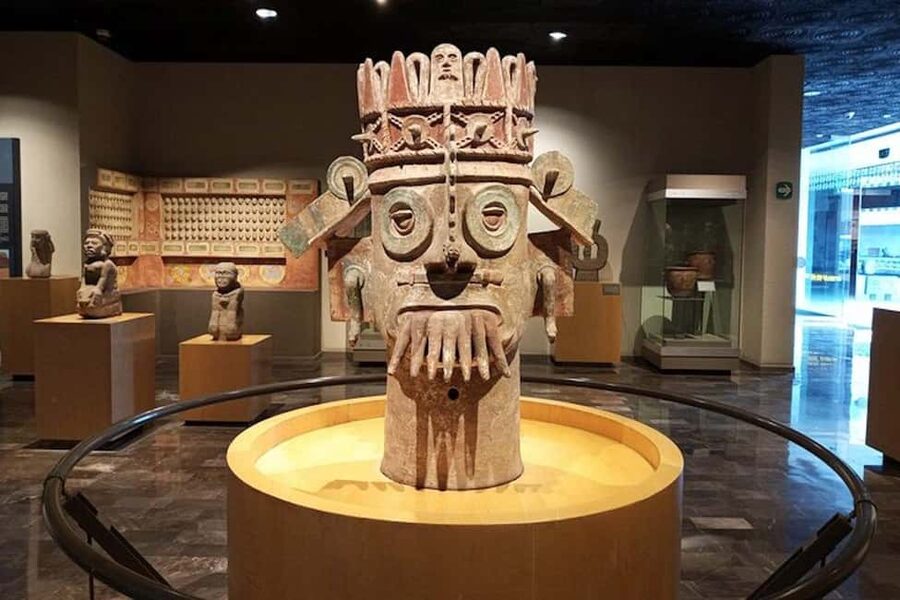
Next is the Umbrella exhibit, again with a “why this matters” explanation. In Mesoamerican art, objects and motifs often carry layered meanings, not just surface aesthetics. The tour uses this stop to show how visual language can represent ideas about identity, power, and social order.
This is also where interactive elements really help. You’re not just listening and then drifting forward. You’re encouraged to connect what you’re seeing to the broader cosmology you heard earlier.
Teotihuacan Room: seeing systems behind the architecture
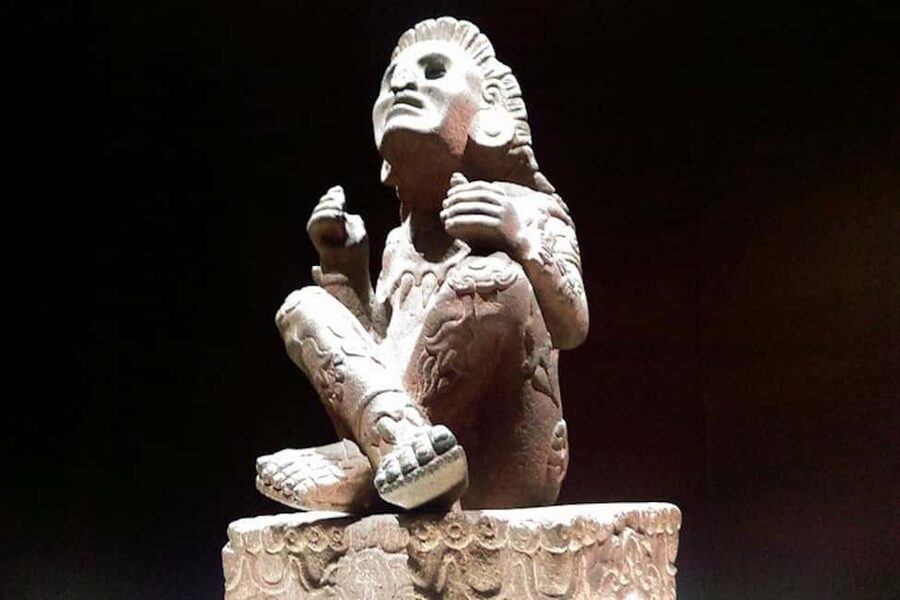
The Teotihuacan Room shifts your focus from general symbolism to a more specific cultural context. Teotihuacan gets remembered for monumental architecture, but the tour emphasizes the thinking behind the development. That matters because it keeps you from reducing the civilization to big buildings and dates.
Instead, you’re guided to notice how cosmology and worldview can shape how societies build, plan, and represent ideas visually. If you like history that explains the logic inside the culture, this stop is a satisfying one.
Mexica (Aztec) Room: decoding animals, power, and meaning
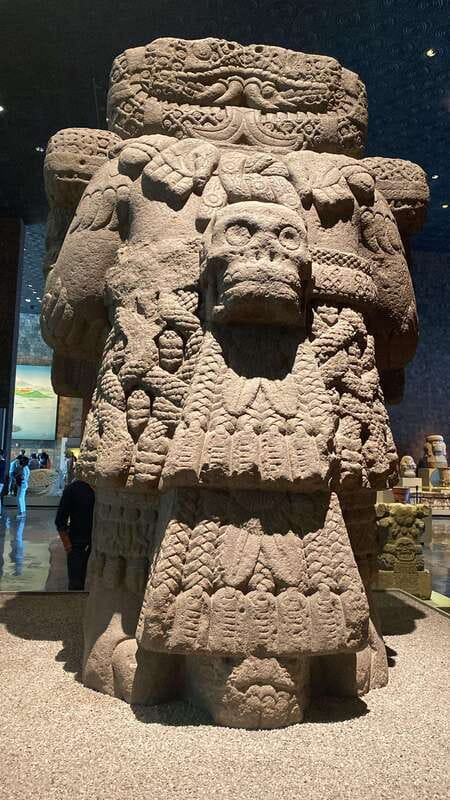
The Mexica (Aztec) Room is one of the most meaningful sections of the tour because it directly answers questions people often ask in museums. Why are animals represented in certain ways? Why do figures and outfits use symbols like eagles, jaguars, and snakes in specific contexts?
This tour doesn’t treat these as random choices. It frames animals and celestial references as part of a symbolic system tied to worldview. You’ll walk away with a better sense of why those motifs repeat and how they could function in society, art, and authority.
Replica of Pakal’s tomb: connecting art to leadership and time
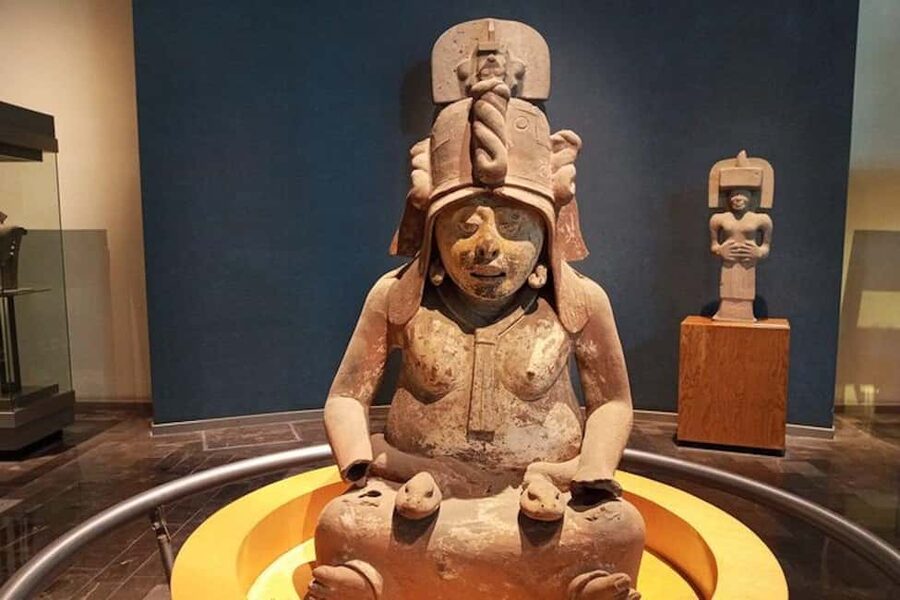
The tour includes a replica of the tomb of Pakal the Great, with an explanation that ties the imagery to meaning and power. Even as a replica, the point is not to fake a view of the original. The goal is interpretation: you learn how tomb-related symbolism could communicate status, cosmic alignment, and the structure of belief.
This stop also helps you see the “through-line” from worldview to representation. Once you understand how cosmological ideas work, objects like tomb motifs stop feeling mysterious. They feel like messages written in visual shorthand.
How Hector’s style helps you read the museum
A lot of people love this tour because the guide teaches you how to look. Hector’s explanations are interactive, and he asks questions that help you interpret what you’re seeing, including glyph-related details. That’s a big deal in a museum setting, where it’s easy to stand in front of an object for 30 seconds and still have no clue what you’re looking at.
You’ll also use an iPad during the tour. The added visuals make it easier to picture reconstructions and related imagery, especially when an exhibit is too subtle to grasp on first glance. A laser pointer is used to highlight pieces that are less noticeable but still important to the overall design.
One more smart touch: Hector connects ideas to other cultural frameworks too, including references to Asian and European ideologies. That doesn’t replace the local context. It gives your brain an anchor point so the symbolism feels less abstract.
Skip the ticket line, but don’t rush the meaning
The tour includes admission to the museum and permanent exhibitions and also helps you skip the ticket line. That’s practical value, because it protects your time for interpretation instead of waiting.
At the same time, the tour doesn’t feel like a race. It’s 3 hours, so you have to commit to paying attention while you’re moving. If you tend to glaze over during long explanations, bring patience. The payoff is that the museum starts to make sense in your head, not just on the walls.
Price and value: is $75 fair for this format?
At $75 per person for a 3-hour guided experience, the value comes from what’s included. You’re paying for more than a guide. The price also covers museum admission and the permanent exhibitions, plus skip-the-line entry.
You’re also buying a focused route that hits several major galleries and explanatory stops. Without a guide, you could absolutely wander through the museum on your own, but you’ll likely miss the symbolic connections that tie the objects together. This tour is designed to compress that learning into a short, guided window, which is great if you have limited time in Mexico City or you want background before visiting other sites.
What to wear and what to skip inside the museum
This tour is on foot with long standing periods, so comfortable footwear is not optional. Wear comfortable clothes that let you stand and look up and down without fidgeting.
There are also clear restrictions inside the museum. You cannot bring pets, food, drinks, large bags, drones, selfie sticks, professional cameras, plastic bags, and tripods. Flash photography is also not allowed, and you cannot touch the exhibits. If you’re the type who likes packing snacks or carrying gear for photos, plan to travel light.
Who this tour is for, and who should pass
This is ideal if you want a worldview-based introduction to ancient Mexico. It’s especially good when you’re interested in symbolism, cosmology, and how people made sense of life through images, animals, and celestial references.
It’s not the best fit for kids or teens under 16. The explanations are built around cosmological concepts, and the goal isn’t to tell a simple story. It’s to help you understand a different worldview.
If you’re short on time in Mexico City but want context before you visit other ancient sites, this can be a smart first step. The tour gives you a framework, and that framework makes later interpretation easier.
Should you book this tour with Hector?
Yes, if you want the museum to start speaking to you instead of feeling like a collection of artifacts. I’d book it if you enjoy interpretation, symbolism, and learning a “how to read the art” method in a short window.
You should think twice if you dislike long standing during guided explanations, or if cosmology-heavy content won’t hold your attention. Also, if you plan to treat the visit as a casual stroll, this route may feel too focused.
If your goal is to come out with a clearer way of understanding ancient Mexican symbolism and social meaning, this is a strong choice. It’s 3 hours, it’s in English, and it’s guided by Hector Balderas Iglesias, who uses iPad visuals and interactive questioning to turn the museum into an actual learning experience.
FAQ
Where does the tour start?
The meeting point is near the Mexican flag at the entrance of the National Museum of Anthropology.
How long is the tour?
The duration is 3 hours.
Is the tour in English?
Yes. The live tour guide speaks English.
What is included in the price?
The tour includes a guided walking tour, admission ticket to the museum and its permanent exhibitions, and about 3 hours where you visit the highlighted areas described in the itinerary.
What is not included?
Food, drinks, souvenirs, and getting to the museum are not included.
What rooms or areas will we visit?
You’ll visit the Mural of Duality, the Umbrella, the Teotihuacan Room, the Mexica (Aztec) Room, and a replica of the tomb of Pakal the Great.
Is it suitable for children?
It is not suitable for children under 16.
Is the activity mostly walking?
Yes. It is done on foot and involves standing for long periods while listening to historical explanations.
Is the museum experience wheelchair accessible?
Yes, the tour is listed as wheelchair accessible.
What items are not allowed during the tour?
Food and drinks are not allowed. Also not allowed are pets, smoking, luggage or large bags, drones, selfie sticks, professional cameras, flash photography, and touching the exhibits, among other items.
Can I cancel for a refund or pay later?
You can cancel up to 24 hours in advance for a full refund, and you can reserve now and pay later.
Just added around Mexico City
- The Real Mexico City: Under the skin of CDMX★ 5.0 · 21 reviews
- Teotihuacan Pyramids: Guided Tour with Entry Ticket Included★ 4.1 · 45 reviews
- Teotihuacan: Private Tour with Archeologist & Hotel Pick-up★ 4.2 · 164 reviews
- Teotihuacan, Guadalupe, Xochimilco Coyoacan & Frida Kahlo★ 4.0 · 27 reviews
- Soumaya: the greatness of Mexican & western art.★ 4.9 · 26 reviews
- From Mexico City: Puebla and Cholula Day Tour★ 4.2 · 194 reviews
- Nevado De Toluca: Reach the Summit with Professionals★ 4.8 · 250 reviews
- Monarch Butterfly Sanctuary Tour from Mexico City★ 4.1 · 19 reviews
Museums, compared.
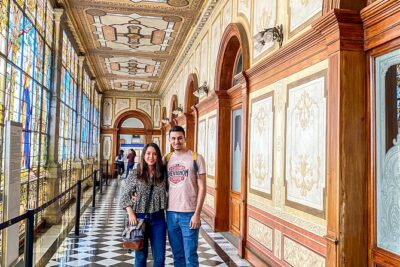
Chapultepec Castle & Anthropology Museum Tour
Read our review →![Frida Kahlo VIP [Museum Tickets Included] Bike, Markets & Churros](https://z.mexicantrips.com/wp-content/uploads/frida-kahlo-vip-museum-tickets-included-bike-markets-churros-400x267.jpg)
Frida Kahlo VIP [Museum Tickets Included] Bike, Markets & Churros
Read our review →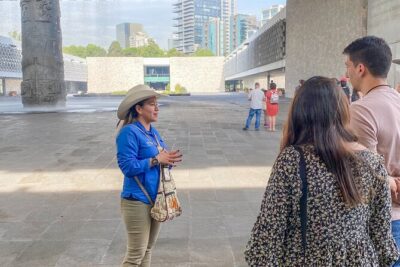
![Frida Kahlo VIP [Museum Tickets Included] Walk, Markets & Churros](https://z.mexicantrips.com/wp-content/uploads/frida-kahlo-vip-museum-tickets-included-walk-markets-churros-400x267.jpg)
Frida Kahlo VIP [Museum Tickets Included] Walk, Markets & Churros
Read our review →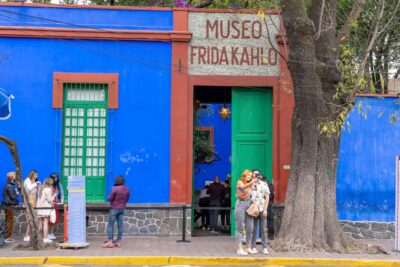
EXCLUSIVE TOUR Frida Kahlo Museum – SMALL GROUPS
Read our review →
Coba Multun-Ha Cenote Tulum and Mayan Museum Small Group
Read our review →
Browse the lists this tour appears in