
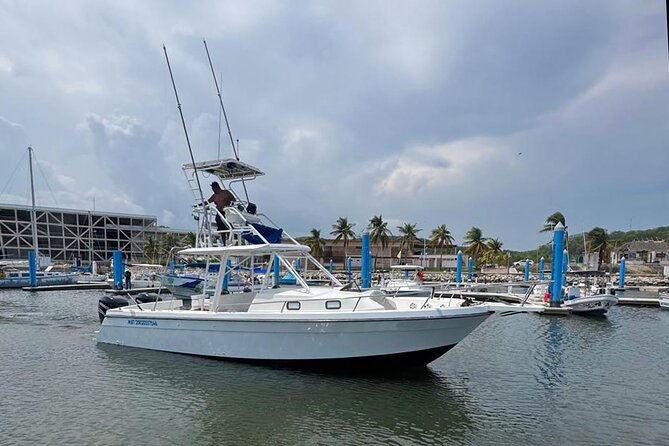
Reviewed · DOLPHIN WATCHING
Dolphin & Whale Watching with Marine Biologists
Hear whales sing before you even spot them.
This Huatulco boat trip is built around respectful wildlife watching, with marine biologists sharing what they know as you search the bay for whales, dolphins, and sea turtles. The special part is the hydrophone listening, which turns your cruise into more than just scanning for fins.
I especially like the small group size (max 14), because it feels easier to move and follow the action without everyone crowding. I also love that the crew uses science tools and Q and A, so you get real context for what you are seeing, not just a quick explanation.
One consideration: you are on the water for about 2.5 hours and the boat has limited sun protection, so you will want to dress for heat, glare, and whatever the sea decides to do that day. Also, whales are seasonal, so sightings depend on timing and conditions.
In This Review
- Key highlights that matter before you go
- What makes marine biologists change the whole experience
- Huatulco seasonality: humpbacks, dolphins, and sea turtles
- Cruising plan: from the marina to Huatulco National Park and beyond
- Why the hydrophone is the real star
- Boats, comfort, and the small-group advantage
- Timing matters: the 8:00 am start and morning viewing
- Price and value: $59.74 plus park and marina cash
- What to bring so you are comfortable the whole 2.5 hours
- Who should book this dolphin and whale tour?
- Should you book this tour?
- FAQ
- What time does the tour leave and how long is it?
- What is included in the ticket price?
- Are the Huatulco National Park and Chahué Marina fees included?
- What wildlife can I expect to see?
- Is the tour suitable for kids and heavier adults?
- What happens if the tour is canceled due to weather?
Key highlights that matter before you go
- Marine biologists on board with an active Q and A, so you can ask about behavior, conservation, and research.
- Hydrophone (underwater microphone), letting you listen to whale singing and dolphin communication.
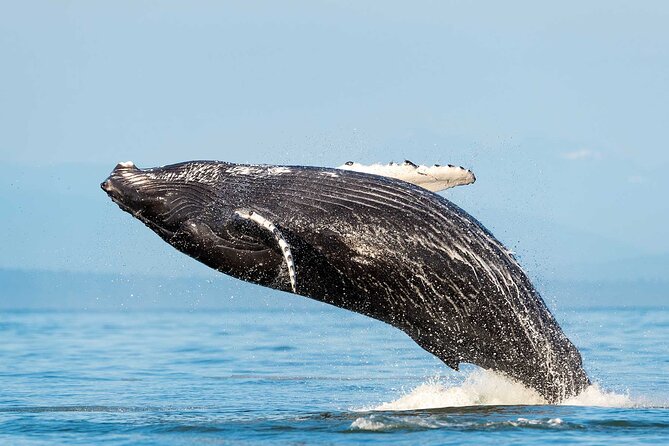
- Humpback sighting odds are strongest in Dec to Mar, when humpbacks can be seen on 90% of tours.
- Max 14 travelers means you usually get more room to reposition as wildlife pops up.
- You sail farther with spotter networks, so you are not stuck only near the marina.
- Lifejackets are provided for kids from age 3 up to adults weighing 130 kg.
What makes marine biologists change the whole experience
On a regular whale-watching outing, you can end up doing a lot of staring and not much understanding. On this one, you start with a briefing right as the group departs the marina, and it is focused on what matters in Huatulco’s waters.
You get a framework for spotting: what different animals do, how they move through the water, and what signs help you predict where they might appear next. Then, as you cruise and encounter wildlife, the guide ties each sighting to real biology and ongoing study, and will answer your questions in plain language.
In the best moments, the science stops feeling like a lecture. It turns into a way to watch better. When you know why dolphins travel in pods or what whale behavior signals, you stop treating every splash as random and start reading the ocean like a story.
Backup plans for Huatulco
- Luxury Catamaran Whale Watching Cabo San Lucas
★ 5.0 · 2,107 reviews - Whale Watching Cabo-Women crew-Sightings Guaranteed & Free Photos
★ 5.0 · 1,743 reviews - SMALL GROUP Whale Watch | Cabo San Lucas | Biologist | FREE Pics
★ 5.0 · 1,106 reviews
Huatulco seasonality: humpbacks, dolphins, and sea turtles
If you are aiming for humpback whales, timing is everything here. From December through March, humpbacks can be seen on 90% of tours. That statistic is a strong reason to book in the cooler months if you want a classic whale-watching day.
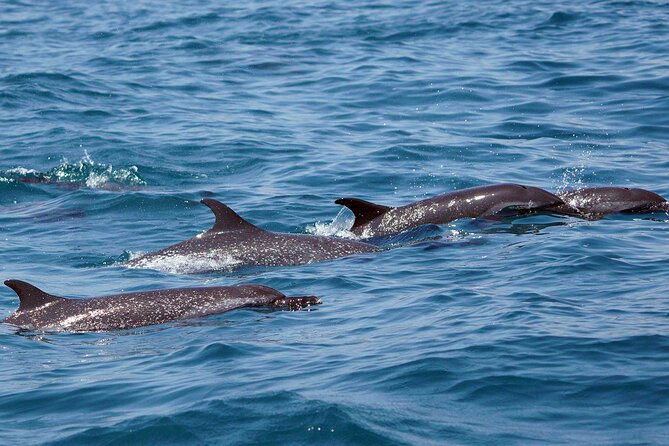
Dolphins are often the early payoff. Past trips have included quick dolphin sightings within minutes for some departures, plus multiple dolphin pods. You can also hear dolphin communication through the hydrophone, which makes the experience feel immediate, even before you get the visual.
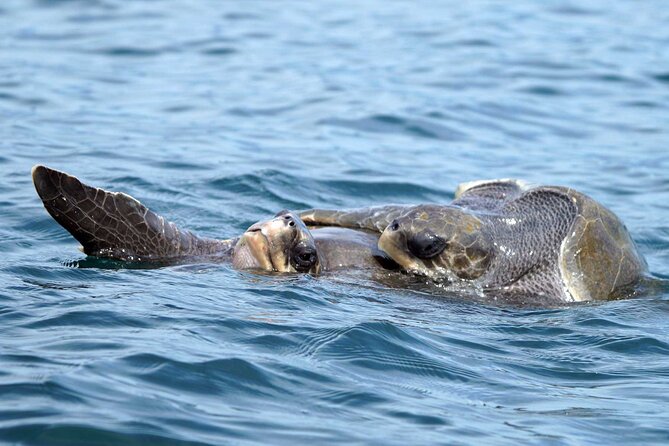
For sea turtles, I like that the tour is not just whale-focused. You are specifically searching for turtles as part of the main mission, and past outings have shown plenty of olive Ridley turtles and other turtle species. Some days also include extra ocean life like manta rays, mobula rays, sea snakes, and even sailfish. You should not assume you will get all of that, but it is a good sign that the waters are productive when conditions line up.
Cruising plan: from the marina to Huatulco National Park and beyond
You begin at Chahué Marina area, then the day centers on the waters around Huatulco National Park. The national park context matters because it supports wildlife protections and helps keep the viewing respectful. Instead of treating the ocean like a playground for fast chasing, the approach is about observation and staying within boundaries.
Then comes the part that helps your chances: the crew takes you further, to areas known by their team and a network of spotters. Translation: you are not limited to one predictable route. When wildlife is active, those spotters help point the boat toward higher-probability zones.
The itinerary is simple on paper, but the way the tour is run is what counts. You depart, you scan, you follow targets when the team finds them, and you return for a short debrief. That short debrief is useful because it gives you a clean wrap-up, so the day’s sightings connect into a bigger picture rather than feeling like scattered moments.
Why the hydrophone is the real star
The hydrophone is the most interesting tool on the whole trip. An underwater microphone does not just add novelty, it changes what you notice.
Whales can sing in ways that are hard to detect by sight alone, especially in choppy or distant conditions. With the hydrophone, you can hear the patterns the animals make, which gives you another cue for where the wildlife is in the water. Dolphins communicate differently, and hearing those sounds helps you track the group even when they keep moving.
This is also a great moment for kids and first-time wildlife watchers. Even if you are struggling to spot a whale at first, you can still participate through the sound. That keeps the trip from turning into pure waiting.
Bring your curiosity. Ask how the team interprets what you hear. When you connect the sound to the behavior you are seeing, you start to understand the ocean as active communication, not just scenery.
Close by, worth a second look:
- Tour to Copalitilla Magical Waterfalls from Huatulco with admission included
★ 5.0 · 359 reviews - Full Day Tour of the Bays of Huatulco
★ 4.5 · 217 reviews - Kayak Huatulco Sunrise
★ 5.0 · 166 reviews - Ocean Eco Adventure with Marine Biologist Guides
★ 5.0 · 149 reviews
Boats, comfort, and the small-group advantage
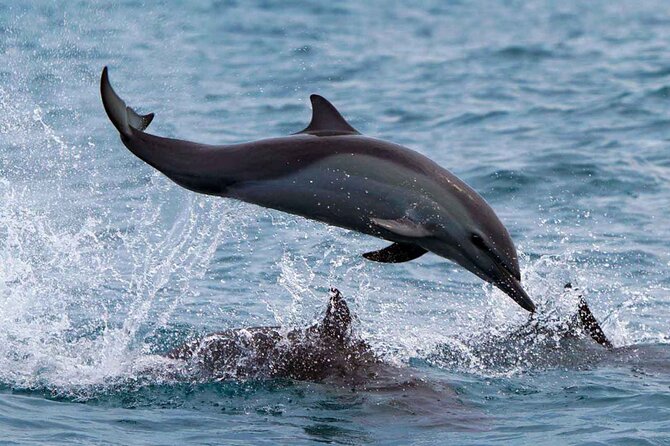
With a maximum of 14 travelers, this is not a cattle call. The practical benefit is freedom of movement. When wildlife appears, you are more likely to be able to shift positions and keep sightlines without constantly squeezing past other people.
The boat is small, and sun protection is not heavy. There is a canvas roof covering part of the area, but you still need to plan for exposed time on deck. One of the smartest things you can do is pick your clothing like you expect a warm, bright morning. Sun, wind, and salt spray can hit fast out on the water.
Also consider swell. Some days can be choppier, and reviews specifically mention that the pilot handled large swells well. Still, your comfort will depend on how you dress and how your body reacts to motion. If you get seasick easily, pack what usually works for you.
Timing matters: the 8:00 am start and morning viewing
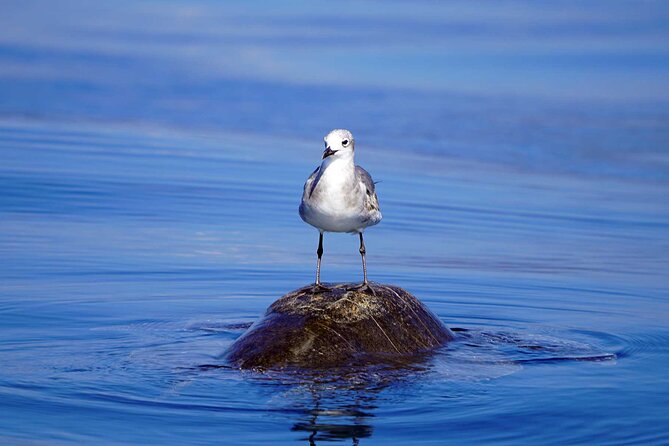
This tour starts at 8:00 am at the Oceanico Huatulco meeting point at Sector P in the Marina Chahue area. Early starts are often a win for wildlife watching, because animals tend to be active and the sea can be calmer than later in the day.
It also means you are usually done while the sun is still high but before the hottest part of the day. That matters on an outing that can have limited shade. You also have a head start on your other Huatulco plans once you are back, since the cruise is about 2 hours 30 minutes.
If you are trying to line this up with a broader day of beach time or sightseeing, this timing is practical. You can watch wildlife in the morning and then switch to slower, land-based plans afterward.
Price and value: $59.74 plus park and marina cash
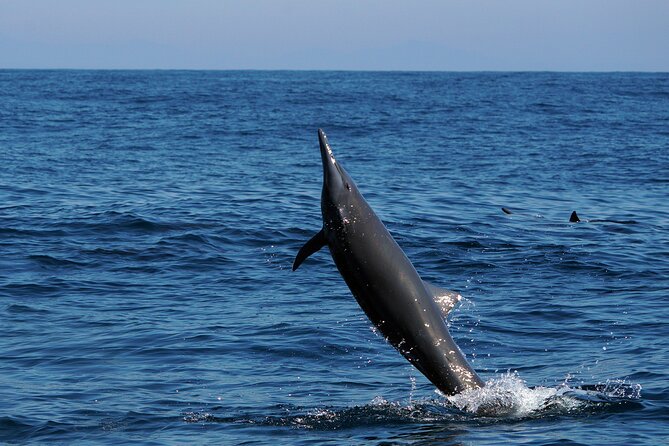
The base price is $59.74 per person for about 2.5 hours on the water, and bottled water is included. That is a solid starting point for a specialized tour because you are paying for marine biologists, hydrophone equipment, and active searching with spotter support.
But you should budget for the cash-only additions. You will need to pay:
- Huatulco National Park fee: 65 pesos cash per person
- Chahué Marina fee: 10 pesos cash per person
So your true day cost is not just the online price. If you want zero surprises, plan to bring that cash in advance.
I think the value is strongest when you care about interpretation, not just animal sightings. The hydrophone and biology-led Q and A are what turn this into a deeper experience. If you simply want the widest possible odds of seeing something at sea, you might still get that, but you will miss the main reason this trip feels special.
What to bring so you are comfortable the whole 2.5 hours
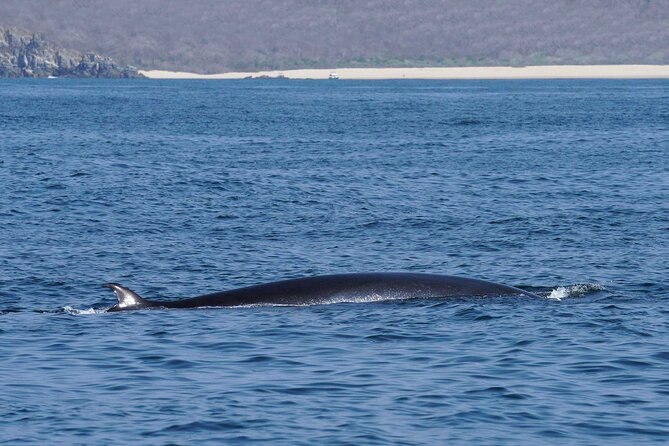
If you take only one piece of advice, make it this: dress for sun and motion, not just for sightseeing.
From what people describe after sailing, you will be happier if you:
- Wear a hat and sunglasses
- Use reef-friendly sunscreen
- Bring a light layer if wind cuts across the water
- Stay hydrated, even though bottled water is included
If you are a camera person, you will likely want to be in a spot where you can react quickly when animals surface. One of the best parts of small-group boats is that you can usually get into a better viewing angle without a major fight for space.
And remember the mood of the trip is respectful wildlife watching. The best photos and the best memories usually come when you stay calm and let the animals do their thing.
Who should book this dolphin and whale tour?
This trip fits best if you want more meaning than a checklist of sightings. If you like marine biology, enjoy learning as you watch, and want to ask questions out loud, you will probably have a better day.
It is also a strong option for families with kids age 3 and up, because lifejackets are provided. If you are an adult, there is a weight limit of 130 kg, so double-check that before booking.
Language is English, which helps if you want explanations you can follow easily. The tour is also described as near public transportation, so you can likely get to the marina without a big hassle.
On the other hand, if your ideal day is all-day beach lounging and you hate motion on open water, you may find the boat time less appealing. And if you are visiting outside December through March, know that humpback whales are less predictable. You can still see dolphins and turtles, but whales are seasonal.
Should you book this tour?
I would book it if you want a science-led wildlife experience where you do not just watch, you learn while you watch. The hydrophone is a standout, and the small group size makes it feel like a real outing, not a rushed conveyor belt.
Book with realistic expectations. You are at sea, so conditions can vary, and not every trip will include humpbacks. But the combination of marine biologists, spotter-driven searching, and consistent turtle and dolphin opportunities makes this a strong value at the price.
If whales are your top goal and you are traveling between December and March, this becomes even more tempting, since humpbacks can be seen on 90% of tours during that window.
FAQ
What time does the tour leave and how long is it?
It starts at 8:00 am and runs for about 2 hours 30 minutes.
What is included in the ticket price?
Bottled water is included. The price shown is not the full cost, because park and marina fees are extra.
Are the Huatulco National Park and Chahué Marina fees included?
No. The Huatulco National Park fee is 65 pesos cash per person, and the Chahué Marina fee is 10 pesos cash per person.
What wildlife can I expect to see?
The tour focuses on whales, dolphins, and sea turtles in Huatulco. Humpback whales can be seen on 90% of tours from December through March.
Is the tour suitable for kids and heavier adults?
Lifejackets are provided for guests from age 3 up to adults weighing 130 kg. People over 130 kg are not included.
What happens if the tour is canceled due to weather?
If it is canceled due to poor weather, you are offered a different date or a full refund.
Just added around Huatulco
- Turtle Release Escobilla Sanctuary and crocs in Ventanilla.★ 4.5 · 45 reviews
- Waterfall Experience★ 5.0 · 70 reviews
- Huatulco: Private Transfer Airport – Hotels★ 4.5 · 93 reviews
- Unique Turtle Sanctuary & Sunset Experience★ 4.5 · 21 reviews
- Huatulco Airport: Shared Transfer to/from Huatulco Hotels★ 4.5 · 60 reviews
- Traditional Mexican Cooking Class★ 5.0 · 90 reviews
- Sips and Smiles Walking Experience★ 5.0 · 22 reviews
- Seafood Cooking Class★ 5.0 · 38 reviews
Dolphin Watching, compared.
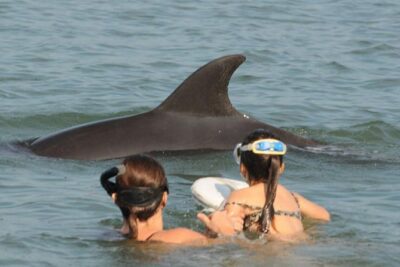
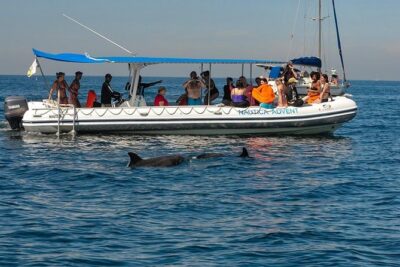
Whale and Dolphin Watching with a Biologist in Puerto Vallarta
Read our review →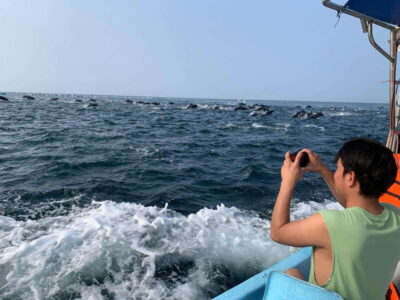
Puerto Escondido: Boat Tour to see Dolphins and Marine Life
Read our review →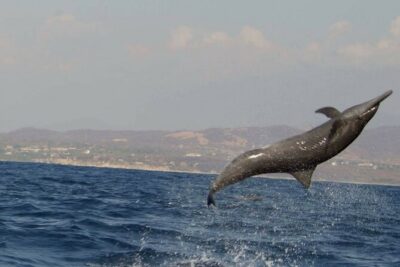
Ocean Safari: Sea Lions, Mobula Rays, Dolphins, Orcas & Whales
Read our review →
Browse the lists this tour appears in