Reviewed · TOURS
Xihuacan Culture and Archaeology Tour
Ruins, museum, and lunch in one tight half-day. The Xihuacan Culture and Archaeology Tour from Zihuatanejo or Ixtapa brings you to the ceremonial center and the Site Museum with about 800 recovered objects, explained in English by local guides like Pablo and Francisco Quintero. I love how the route keeps the story tight, so you hear the meaning first, then walk it off on-site.
Hotel pickup makes mornings easier, and I like the small-group feel capped at 14 people in a comfortable air-conditioned van. You also get lunch at a traditional Mexican seafood spot, with handmade tortillas and all the usual sides. The only real watch-out is that the excavated portion of the ruins is not huge, so pack a hat, and be ready for a short walk in a sunny, outdoor setting.
In This Review
- Key highlights worth planning around
- Xihuacan Culture and Archaeology Tour, the tight 4-ish hours that work
- Getting from Zihuatanejo or Ixtapa to the dig zone
- The Site Museum, around 800 objects with real interpretive value
- Ball court and ritual context: what the game meant
- Edificio B pyramid: noticing construction methods you can actually picture
- Soledad de Maciel, when old neighborhoods become home
- Lunch on the way back, traditional seafood and handmade tortillas
- Price and value at $95.61 per person, what you are really paying for
- The guide makes the day: different names, same winning approach
- What to pack, what to wear, and what to expect on the ground
- Should you book the Xihuacan Culture and Archaeology Tour?
- FAQ
- What time does the tour start, and when does pickup happen?
- Where will I be picked up and dropped off?
- How long is the tour?
- How big is the group?
- Is the tour offered in English, and do I need a printed ticket?
- What archaeological stops are included?
- What is included for lunch?
- Does the tour visit a lagoon?
- Can I cancel for a full refund, and what are the child rules?
Key highlights worth planning around
- Site Museum first, then ruins: about 800 objects tied to daily life and ritual.
- Ball court context: you get the big picture on the ceremonial game and its religious role.
- Edificio B pyramid details: bricks inside, modeling clay on the outside.
- Soledad de Maciel living history: houses built over an older high-class neighborhood.
- Traditional lunch away from the tourist strip: seafood and tortillas, plus a drink.
Xihuacan Culture and Archaeology Tour, the tight 4-ish hours that work
This is the kind of tour I recommend when you want real archaeology without committing your whole day. Xihuacan is not a “drive forever and barely see anything” plan. You’re picked up in Zihuatanejo or Ixtapa, you ride out to the ceremonial zone, you get guided time inside the Site Museum, and you return for lunch and back to your hotel.
The schedule is straightforward, but it is also a reminder that this is a drive-and-walk day. Expect about 45 minutes traveling to the archaeological area. Then you’ll spend around 3 hours exploring the ceremonial center, plus museum time and guided stops. After that, you head for lunch, with about 35 minutes of travel to the lunch stop area, and roughly 40 minutes back to the hotel. Add it all up and plan for a busy half-day block, not a lazy morning.
Where this tour really shines is pacing. You do not just “pass by” ruins. You get an organized sequence: museum, ball court, pyramid area, and a look at how the past overlaps with modern rural life.
Backup plans for Zihuatanejo
- Private Ixtapa and Zihuatanejo City Tour
★ 5.0 · 137 reviews - Ixtapa Island Tour
★ 4.5 · 134 reviews - Baby Sea Turtle Releasing Sightseeing Tour with Luis de la Maza
★ 5.0 · 111 reviews
Getting from Zihuatanejo or Ixtapa to the dig zone
Your day starts with pickup, and that alone is a big deal in this part of Mexico. Hotels are spread out, and taxis or rental cars add stress. Here, a driver/guide handles the logistics, and the tour runs in an air-conditioned 14 passenger van.
That van size matters. It’s large enough to be comfortable, but small enough that you can actually hear your guide and ask questions. Many guides on this route, including Pablo and Antonio, are known for making the talk feel personal, not like a lecture shouted over road noise. And because the tour is offered in English, you are not forced to guess what you are looking at.
Timing-wise, the ride out is about 45 minutes. You’ll be fresh for the museum and the first outdoor areas, since you’re not dealing with late-morning crowds. Just remember you are going to be in the sun later, so I treat this like a morning-to-midday outing: sunscreen, water, and a hat.
The Site Museum, around 800 objects with real interpretive value
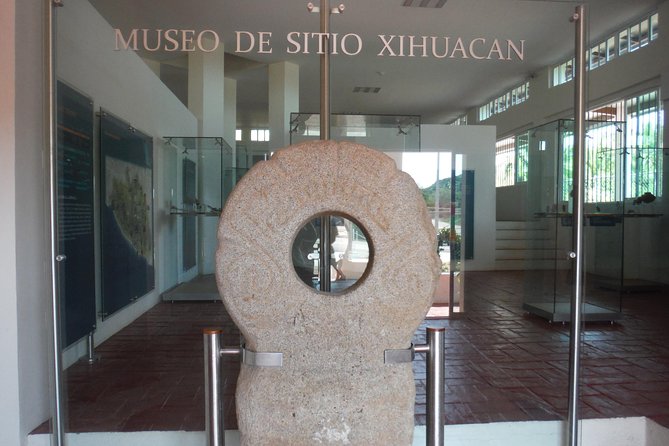
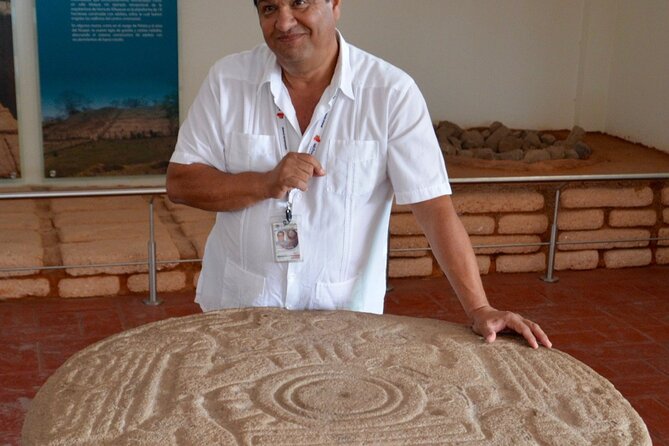
The Xihuacan Site Museum is not a side stop. It is a foundation stop. The museum houses about 800 objects, and guides use it to give you the “how people lived and believed” context before you step into the ceremonial center.
You’ll see categories of artifacts that connect directly to daily life and craft traditions. The museum collection includes items made from ocean shells, ceramics, obsidian vases, bell necklaces, copper axes, and other stone artifacts. There are also granite carved stones, which are the kind of objects that can feel mysterious until your guide explains the meaning and where the pieces fit in the broader timeline.
This is where the tour’s best educational payoff happens for most people. Ruin visits can turn into “big rocks in a field.” Here, the museum helps you notice details in the architecture and the ritual spaces. You learn what to look for, then you go look.
One practical tip: give yourself time to look at small things. It is easy to focus on the biggest pieces, but the museum’s strength is that it shows how technology and materials mattered, from obsidian to copper to stone carvings.
Ball court and ritual context: what the game meant
After the museum, the tour shifts from objects to spaces. Next up is the ball court, a place tied to religion. The ball game was one of the main activities in pre-Hispanic cities, and it is directly linked to human sacrifice in the ritual context your guide will explain.
This stop can feel heavy, but it also makes the whole site click. You start to understand that these structures were not built only for spectacle. They were part of a system of beliefs, power, and ceremony.
What I appreciate here is that the tour does not leave you with generic “cool history.” You get interpretation tied to why the ball court mattered. You can then see the surrounding layout with more sense than if you were wandering alone.
If you are traveling with teens or anyone who thinks museums are boring, this stop tends to work. It is concrete, it is visual, and it gives a clear story hook for the next structure.
Edificio B pyramid: noticing construction methods you can actually picture
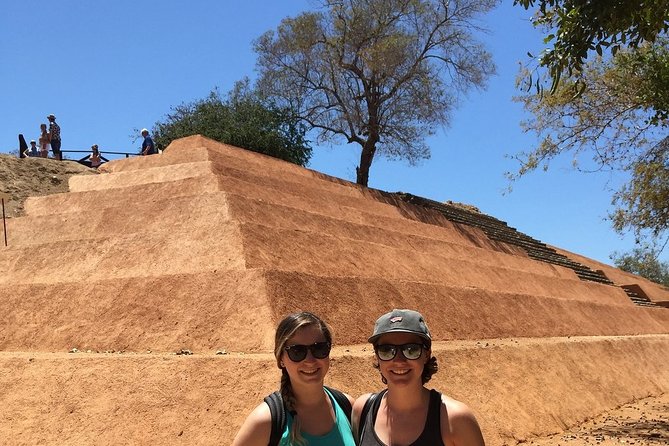
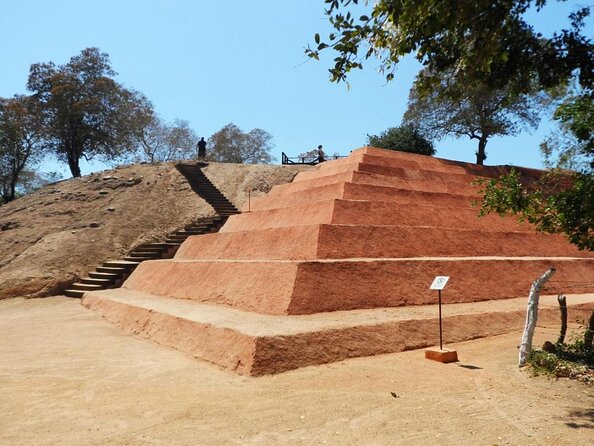
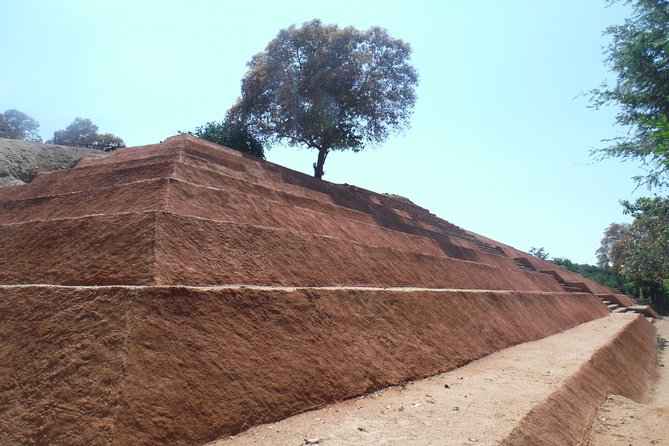
Your next major outdoor stop is the pyramid identified as Edificio B. This is where architectural details start telling you something about the builders and their techniques.
One of the most useful points you’ll hear is the construction method: the pyramid was built using bricks on the inside, with modeling clay on the outside. That description is more than trivia. It helps you read the structure. You start to imagine the building process, and you stop thinking of the pyramid as just a shape.
Edificio B also gives a sense of setting. You can look out at the surrounding area and get a feeling for why this ceremonial center sat where it did. For anyone who likes archaeology more than beach days, this part is the core payoff.
Just plan for sun and uneven ground. Even if the excavated portion is smaller than some people expect, you still need comfortable shoes. This is an outdoor site, so move at a relaxed pace and let your guide set the rhythm.
Soledad de Maciel, when old neighborhoods become home
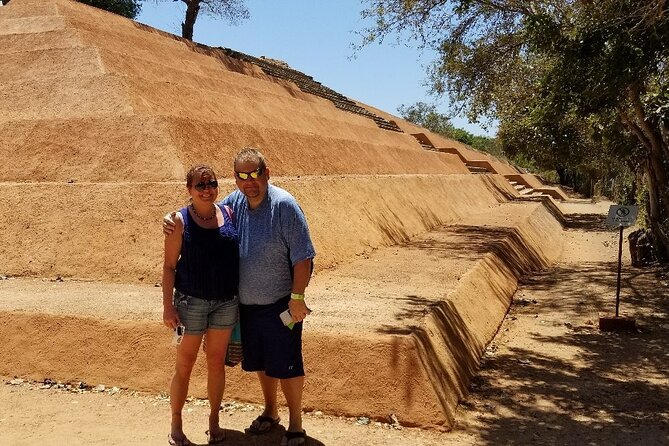
The tour includes a rural community stop in Soledad de Maciel. This is not a shopping stop. It is a time to understand continuity.
In this community, villagers built houses on top of what used to be the neighborhood of high-class citizens during the pre-Columbian period. That single detail changes how you view the day. You are no longer just looking at ruins behind a fence. You’re seeing how place matters, and how layers of time can coexist.
Some guides also connect this community visit to everyday landmarks, and you may hear stories that link the village church area and other visible references to the broader region. The goal is simple: help you connect pre-Hispanic life to the modern one that grew over it.
This stop also helps families. It adds variety after museum time and after the more intense ball court and pyramid context. Even if someone is tired from the site walk, Soledad de Maciel gives a calmer pace.
Lunch on the way back, traditional seafood and handmade tortillas
By the time lunch arrives, you’ll feel it. The tour drives about 35 minutes to the lunch spot area, then you eat and reset before the return trip.
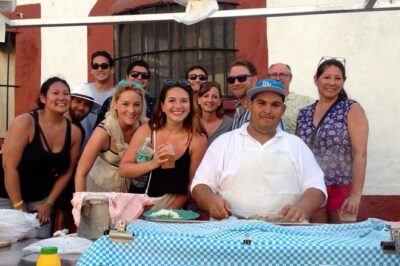
Lunch is included, and it’s one of the biggest reasons people feel this tour is worth the money. You’ll go to a traditional Mexican food and seafood restaurant away from the tourist town of Ixtapa. That matters, because it often means you’re not just eating in a place designed for show.
Your menu choices include shrimp on garlic sauce or breaded, fish filet on garlic sauce (or on bread or grilled), or chicken fajitas, grilled chicken, or breaded chicken. No matter what you pick, the meal comes with guacamole, chips and salsa, handmade tortillas, and beans.
You also get a drink with lunch: beer, soft drink, or coconut milk. That’s an easy win. It turns lunch from an extra cost into something already handled for you.
Two practical things to remember:
- Handmade tortillas are best when eaten hot, so don’t wait around with your camera.
- If you have dietary restrictions, the exact options listed here may help you ask the restaurant staff or your guide in advance.
Price and value at $95.61 per person, what you are really paying for
At $95.61 per person, this tour lands in a “reasonable splurge” category. The smart part is that you’re not just paying for entry to one spot. Your money covers the driver/guide, hotel pickup and drop-off in Zihuatanejo or Ixtapa, and lunch.
You also get guided interpretation across multiple stops: the museum with about 800 objects, the ball court, the Edificio B pyramid, and the Soledad de Maciel community visit. With a small group cap of 14, the guide can keep the pace human.
The value depends on your travel style. If you love ruins but hate figuring out context, you’ll feel the worth quickly. If you want a big, fully excavated ruin show with lots of free roaming, you might feel the site is smaller than you imagined, even though the surrounding setting helps it feel bigger.
One small cost consideration: bring some pesos for small extras. A coffee hut stop has been part of the day for some people, and tipping is part of local service culture. That’s not required in every situation, but it’s good travel karma to budget a little for it.
The guide makes the day: different names, same winning approach
The consistent praise here is not just about sites and museums. It’s about the guide performance. People talk about guides like Francisco Quintero, Juan, Pablo, Paco, Enrique, Francisco, and Antonio for a reason: the commentary tends to be organized, clear, and full of local context.
What I look for in a tour guide is simple. Can they explain what I am seeing without turning it into a textbook? Do they answer questions? Do they keep the group moving without rushing?
The guides on this tour are repeatedly described as timely, engaged, and willing to go past the basics. That kind of guide work is especially useful at Xihuacan because the artifacts and ritual spaces connect in ways that are easy to miss when you are on your own.
It also helps that the tour uses a comfortable van and a small group cap. When you can hear your guide and you’re not cramped, the day feels smoother.
What to pack, what to wear, and what to expect on the ground
Even with hotel pickup and lunch included, you’ll still want to prep like you are going outdoors for part of the day.
Bring:
- A hat and sunscreen for the outdoor museum and ruins time
- Comfortable walking shoes for uneven paths
- Water, even if lunch is provided
- A small amount of pesos for snacks or a quick coffee stop if your day includes it
Wear:
- Light, breathable clothing
- Layers if you run hot in the van but cool outside
What you should expect:
- A mix of museum viewing and outdoor walking
- Ritual and sacrifice context at the ball court
- A community visit in Soledad de Maciel that shifts the mood from ruins to lived-in place
What you should not expect:
- A lagoon visit. This tour explicitly does not include that.
Should you book the Xihuacan Culture and Archaeology Tour?
If you are staying in Ixtapa or Zihuatanejo and you want a history-focused half-day that still leaves you time to relax later, I think this is a strong choice. The museum stop with about 800 objects gives you context. The ball court and Edificio B stops give you structure to remember. And the Soledad de Maciel visit adds a modern layer that makes the whole day feel grounded.
Book it if:
- You want guided archaeology and you like learning stories tied to what you see
- You appreciate a small group feel and a comfortable ride
- You want lunch included, with real Mexican seafood options and handmade tortillas
Skip it or choose carefully if:
- You expected massive, sprawling ruins that feel like a full-day complex
- You want a beach day as the main event, because you are away from the shore for the morning and most of the midday
My practical bottom line: if you like your half-day tours organized and meaningful, this one hits the right notes, and it does it without wasting your time.
FAQ
What time does the tour start, and when does pickup happen?
The tour starts at 9:00 am. Pickup details are provided for your booking date, and the experience confirms details at the time of booking.
Where will I be picked up and dropped off?
Hotel pickup and drop-off are offered in Zihuatanejo or Ixtapa.
How long is the tour?
The duration is approximately 4 hours.
How big is the group?
The tour has a maximum of 14 travelers.
Is the tour offered in English, and do I need a printed ticket?
The tour is offered in English. You can use a mobile ticket.
What archaeological stops are included?
The tour includes the Xihuacan Site Museum, the ball court, the pyramid named Edificio B, and a visit to the rural community of Soledad de Maciel.
What is included for lunch?
Lunch is included, with choices such as shrimp on garlic sauce or breaded, fish filet on garlic sauce or breaded or grilled, and chicken options (fajitas, grilled, or breaded). Meals include guacamole, chips and salsa, handmade tortillas, and beans, plus a beer, soft drink, or coconut milk.
Does the tour visit a lagoon?
No. The tour does not visit a lagoon.
Can I cancel for a full refund, and what are the child rules?
You can cancel for a full refund up to 24 hours in advance. The child rate applies only when sharing with 2 paying adults, children must be accompanied by an adult, and it is not recommended for children age 6 and under.
Just added around Zihuatanejo
- Baby Sea Turtle Releasing Sightseeing Tour with Luis de la Maza★ 5.0 · 111 reviews
- Private Ixtapa and Zihuatanejo City Tour★ 5.0 · 137 reviews
- Ixtapa Island Tour★ 4.5 · 134 reviews
Tours, compared.
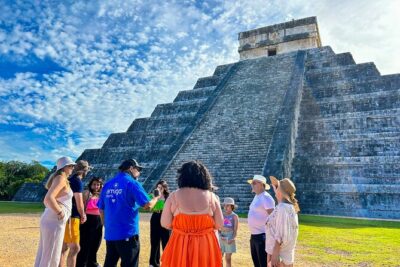
Chichen Itza, Cenote & Valladolid Tour with Tequila and Lunch
Read our review →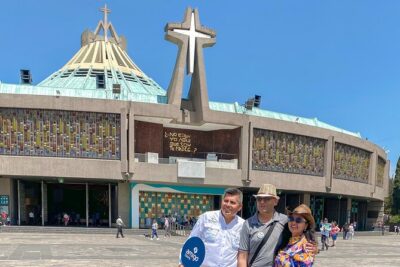
Teotihuacan, Guadalupe Shrine & Tlatelolco Day Tour with Lunch
Read our review →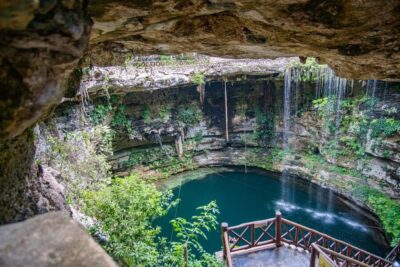
Chichen Itza, Cenote & Valladolid Tour with Lunch
Read our review →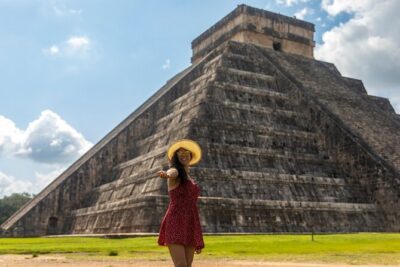
Early morning Chichen Itza Tour: Cenote and Tequila Tasting
Read our review →
Teotihuacan Early Access Guided Tour with optional Lunch
Read our review →
Teotihuacan & Guadalupe Shrine Tour with Lunch
Read our review →