
Reviewed · MEXICO CITY TOURS & ACTIVITIES
Soumaya: the greatness of Mexican & western art.
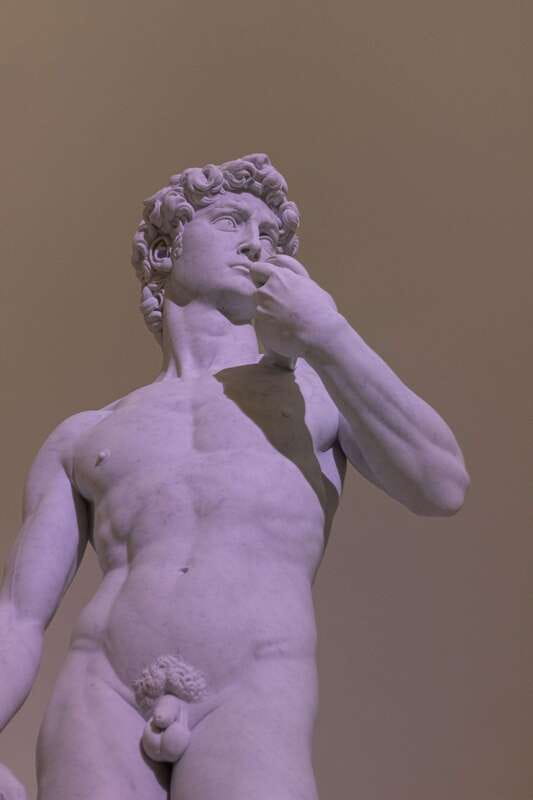
Art that connects Mexico to the West. That is the charm of a guided visit to Museo Soumaya, where you move through six floors of art history with a guide who keeps it understandable. You start at the main gate in Polanco, then you cover major movements and themes, from Modernism to the long sweep of Mexican art, with key artists like Rodin, Van Gogh, Monet, Rivera, Orozco, and even Miguel Ángel.
I especially like how the tour is designed for real humans, not just art students. You do not need a background to follow the story, because the guide highlights the main works room by room, including the Mexican-focused threads across time. Another big plus is how the guide approach brings the paintings and sculptures into focus, with clear explanations and specific details that help you look smarter once you’re standing in front of the artwork.
The only consideration is time. In 2.5 hours, you will not get equal attention for every European gallery, so if your goal is strictly Mexican art, you should plan to spend your energy on those floors and let the Western rooms be the bonus material.
In This Review
- Key takeaways before you go
- Why Soumaya Works for Mexican and Western Art Lovers
- Meeting at the Main Gate, Then Getting Oriented Fast
- Modernism: Ars & Techné, where technique becomes the story
- Myths and allegories: from the visible to the invisible
- Old Masters: Europa and the viceroy connection
- From romanticism to avant garde, and why the transitions matter
- 20 centuries of Mexican art: the heart of the museum story
- Rodin’s era: sculpting the mood in a single room
- Old Masters, Modernism, and Mexican art, all in one 2.5 hours
- Who this tour fits best, and who might want a different plan
- Practical tips to make your museum time feel effortless
- Should you book this Museo Soumaya tour?
- FAQ
- How long is the guided tour?
- Where do we meet for the tour?
- How many floors are included in the visit?
- What topics or sections will we see inside the museum?
- Is the tour focused on Mexican art?
- Do I need to be an art expert to enjoy it?
- What languages are offered for the live tour guide?
- Is the museum tour wheelchair accessible, and how big is the group?
- Can I cancel my booking?
Key takeaways before you go
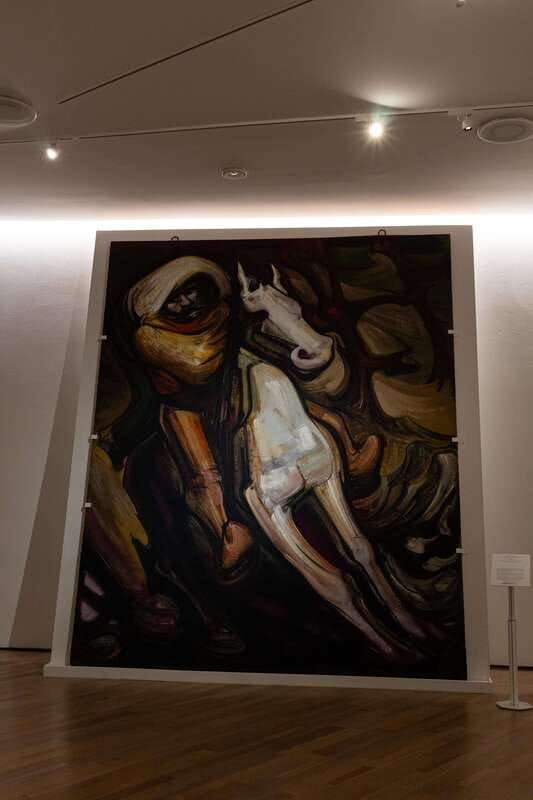
- Six floors, one guided storyline: Modernism, myths, Old Masters, romanticism to avant garde, 20 centuries of Mexican art, and Rodin’s era.
- Works are chosen for impact, not overwhelm: The guide points out the main pieces in each section so you do not get lost in the museum maze.
- Mexican and Western art stay in conversation: You see how themes travel across oceans, styles, and centuries.
- Small group, personal pacing: Limited to 10 participants, which helps the guide slow down when needed.
- Multilingual guides: Options include English, Portuguese, Spanish, German, Italian, and Russian, so language is usually not a problem.
- Rodin and big names on the walls: Think Rodin, Van Gogh, Monet, Manet, and Miguel Ángel alongside Mexican artists like Rivera and Orozco.
Why Soumaya Works for Mexican and Western Art Lovers
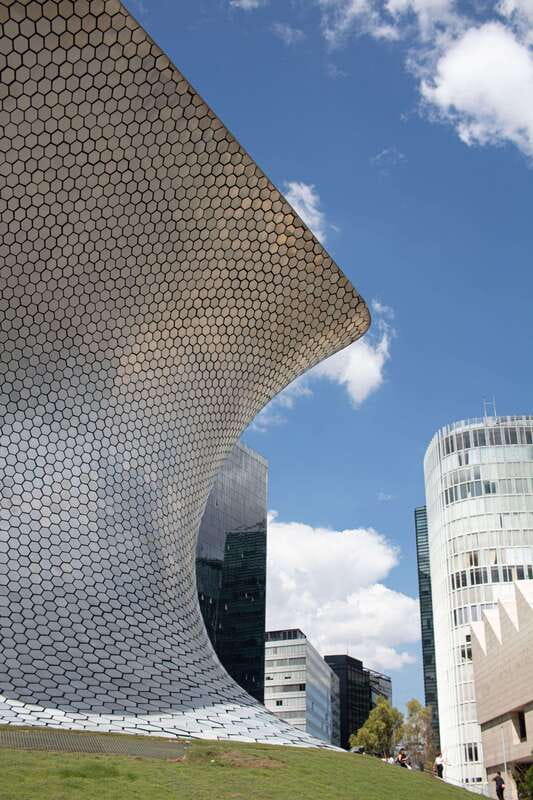
Soumaya Museum has a reputation for showing serious art in a setting that feels easy to navigate. The key is the way this tour is structured: you do not just wander and hope the museum clicks. You get a guided path that stitches Mexican art history to the broader Western canon.
What makes this pairing feel worthwhile is that it is not random. The tour’s themes are set up so you can compare ideas, not just styles. You move through concepts like visible to invisible in the myths and allegories sections, then you jump to periods where technique and theory matter, like Modernism.
And if you’re not an art expert, that’s fine. The guide’s job here is to translate the museum into human language. You’ll get enough context to enjoy the work right away, and enough cues to keep your attention moving from floor to floor.
Backup plans for Mexico City
- Teotihuacan, Guadalupe Shrine & Tlatelolco Day Tour with Lunch
★ 5.0 · 11,603 reviews - Xochimilco, Coyoacan and Frida Kahlo with Optional Lunch
★ 4.5 · 7,320 reviews - Balloon flight + Breakfast in cave + Pyramids + Pick up CDMX.
★ 5.0 · 6,335 reviews
Meeting at the Main Gate, Then Getting Oriented Fast
You meet at the main gate of Museo Soumaya in Polanco, and from there you stay inside the museum for about 2.5 hours. This matters because Soumaya is large, with six floors to cover. Without a plan, it’s easy to miss the most meaningful works or waste time asking, where do we even start?
A good early use of the tour time is orientation. The guide helps you understand how the museum’s sections connect, so you don’t treat each floor like a separate museum. You also get a practical heads-up that the artworks are complex, and that you can’t possibly see everything in one go, which is why the guide focuses on the standout pieces.
Small group size, limited to 10 participants, is another big quality factor. It helps the guide manage different speeds in the room, including families and multi-generational groups. I like tours where kids and grandparents can both follow along without the guide rushing past questions.
Modernism: Ars & Techné, where technique becomes the story
One of the first stops frames art through Modernism, under the banner Ars & Techné. Even if you’ve never used those terms before, the concept is simple: this is where you start noticing how technique is not just craft, it’s meaning.
In this section, you’ll encounter the idea that art in this era is constantly testing the relationship between materials, methods, and new ways of seeing. Modernism often makes museums feel intimidating if you treat it like a quiz. Here, you’re guided to look for the human logic behind the choices, like why a style looks the way it does and what it might be trying to say.
This floor is also a good anchor for the rest of the tour. After you learn the “technique equals intention” mindset, it gets easier to understand why the museum later jumps into themes like myths, allegories, and shifts across romanticism, avant garde, and the Mexican modern tradition.
Myths and allegories: from the visible to the invisible
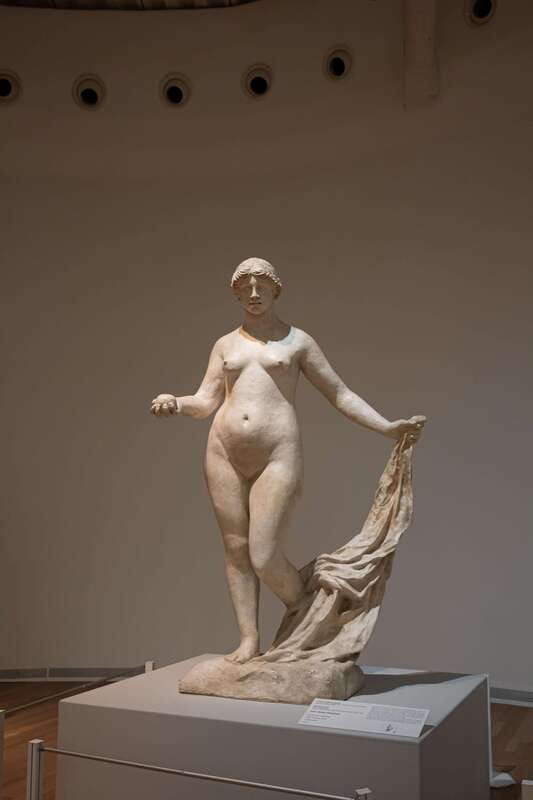
Next comes the section built around Myths & allegories, and the theme is right there in the title: from the visible to the invisible. This part is usually where non-experts either relax or tune out, depending on how it’s explained.
In a guided setting, that risk drops. You get help reading symbols, themes, and storytelling devices that might otherwise look like decoration or just old subjects. Even if you only catch one or two key interpretations per room, you’ll start to see the logic behind the imagery.
A helpful way to approach this floor is to focus less on memorizing details and more on asking what’s being hinted at. Myths and allegories often work like puzzles, and the guide’s explanations give you the first few pieces so you can finish the picture yourself.
Close by, worth a second look:
- Teotihuacan pyramids morning or afternoon without tourist traps
★ 5.0 · 6,186 reviews - Teotihuacan Early Access Guided Tour with optional Lunch
★ 4.5 · 6,138 reviews - Balloon flight + pick up in CDMX + Breakfast in Cave + Pyramids
★ 5.0 · 5,651 reviews - Mexico City: Teotihuacan & Guadalupe Shrine Tour with Lunch
★ 4.7 · 4,465 reviews
Old Masters: Europa and the viceroy connection
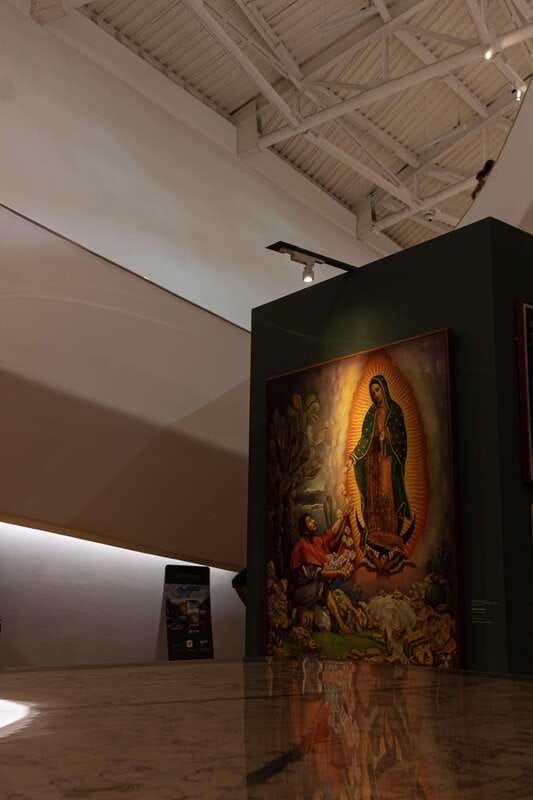
Then the tour moves into Old Masters, labeled Europa & viceroy. This is a smart pairing because it highlights power and exchange, not just paint-on-canvas beauty.
You can think of this area as a bridge between Europe’s long artistic traditions and the colonial and viceroyal world where Mexican history was shaped under European influence. The museum includes artists associated with both the European tradition and the broader story of how Mexico’s art developed, so the section can help you see Mexico not as an isolated chapter, but as part of a network.
When you see works from this period in person, the temptation is to treat them as timeless and distant. The viceroy framing makes them feel closer. You’re guided to connect the religious and historical imagery to the social world that produced it.
This is also a floor where you’ll benefit from slow looking. The guide focuses on main works, but you should still give yourself a minute or two at each highlighted painting or sculpture. That’s how you catch brushwork, expression, and the kind of realism that makes Old Masters hard to forget.
From romanticism to avant garde, and why the transitions matter
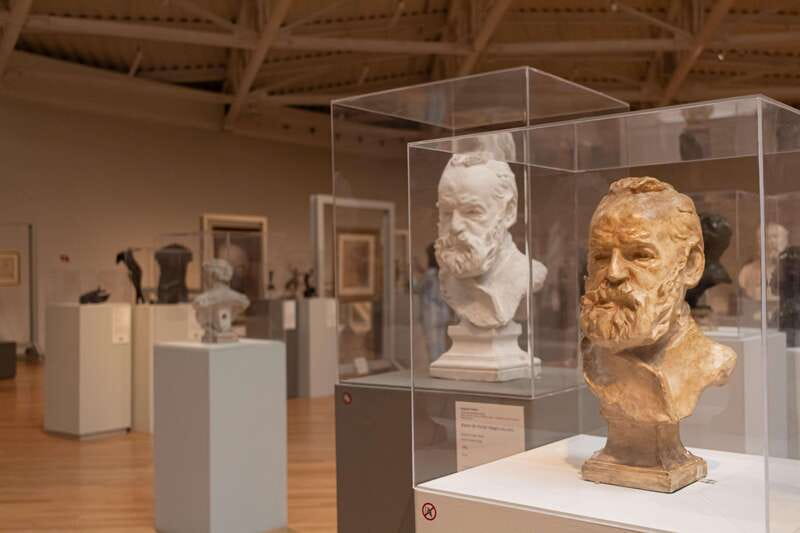
After the Old Masters, the tour travels through the shift from romanticism to avant garde. This segment is valuable because it shows you that art history is not just a list of styles. It’s a set of arguments, and each new movement responds to what came before.
Romanticism often emphasizes emotion, drama, and individual perspective. Avant garde often pushes against inherited rules and experiments with form. Having both in one guided run makes the museum feel like it’s telling one continuous story rather than switching genres without explanation.
And this is where a good guide makes a real difference. In the best versions of this tour, the guide does more than name periods. They point out curious details that change how you see the same image twice. That kind of cue is why this tour lands well for people who want to enjoy art, not just pass through it.
20 centuries of Mexican art: the heart of the museum story
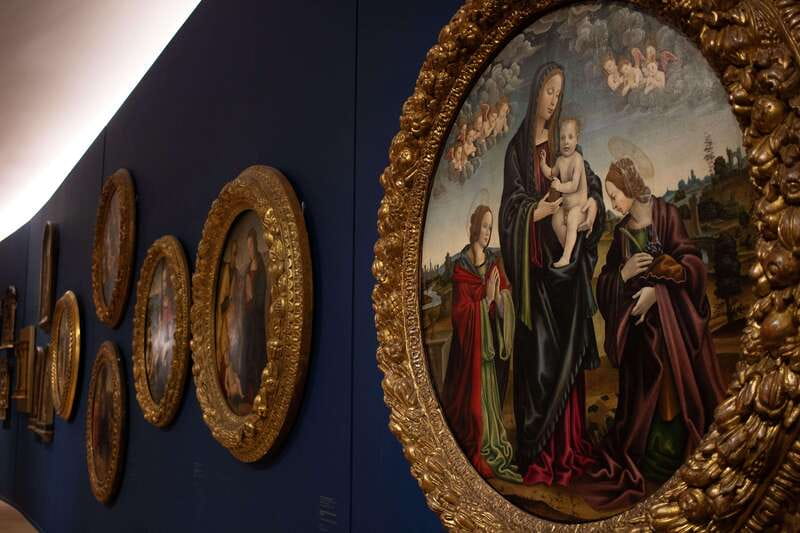
The most important part for many people is 20 centuries of Mexican Art. This is where the tour earns its reputation, because it keeps the museum’s Mexican storyline central rather than treating it like a side exhibit.
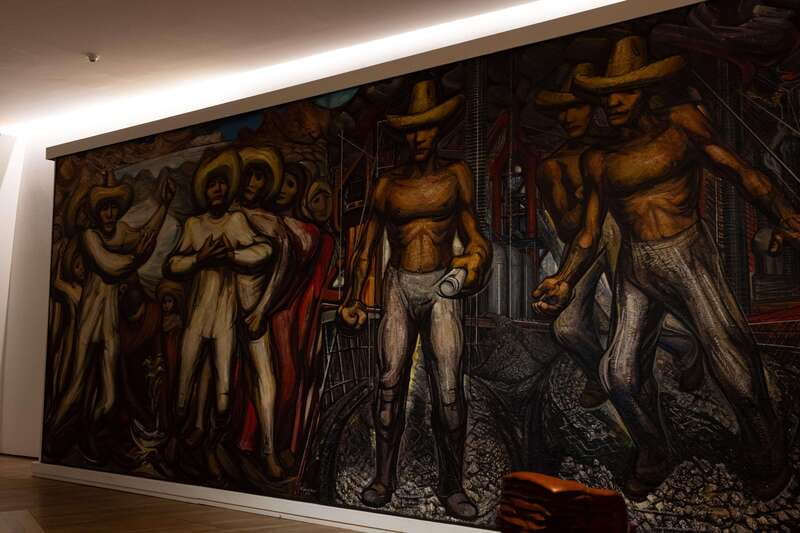
You’ll move through Mexican art across multiple eras, with major names including Rivera, Orozco, and Velasco, plus artists like Correa and De Echave Orio. The guide’s focus is national-based, which helps you understand how Mexican artists responded to changing politics, ideas, and aesthetic tastes.
A useful way to get more out of this floor is to look for themes that repeat with different forms. Some artworks speak through people and social concerns. Others emphasize landscape, memory, or allegory. When you keep an eye on recurring ideas, the time span becomes manageable.
If you’re lucky enough to have Jose Vicente Figueroa, this floor is especially strong. His explanations are described as enthusiastic and skillful at guiding the historical periods of Mexican art, and the pacing can work well even when the group includes kids and older parents. In other words, you can keep the museum experience accessible and still feel the depth.
Rodin’s era: sculpting the mood in a single room
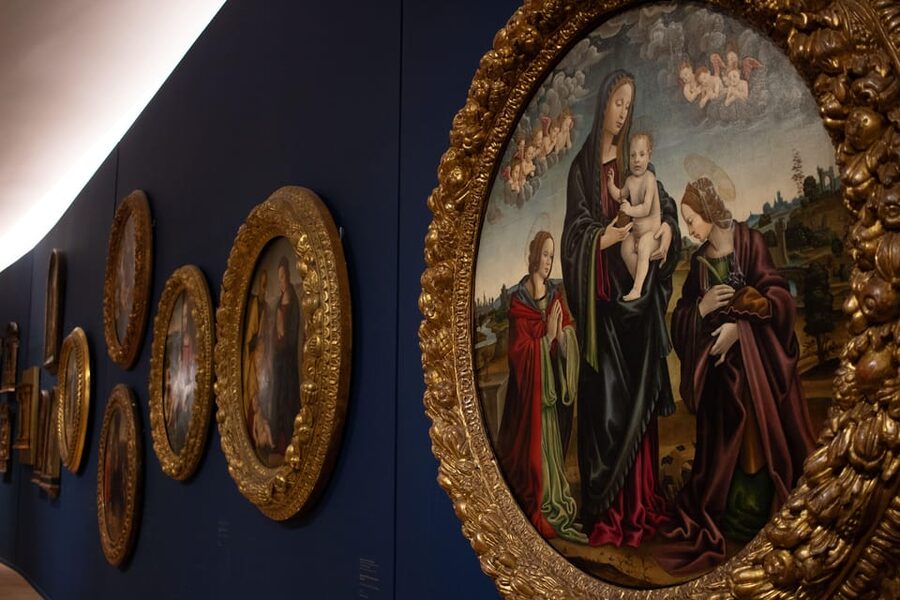
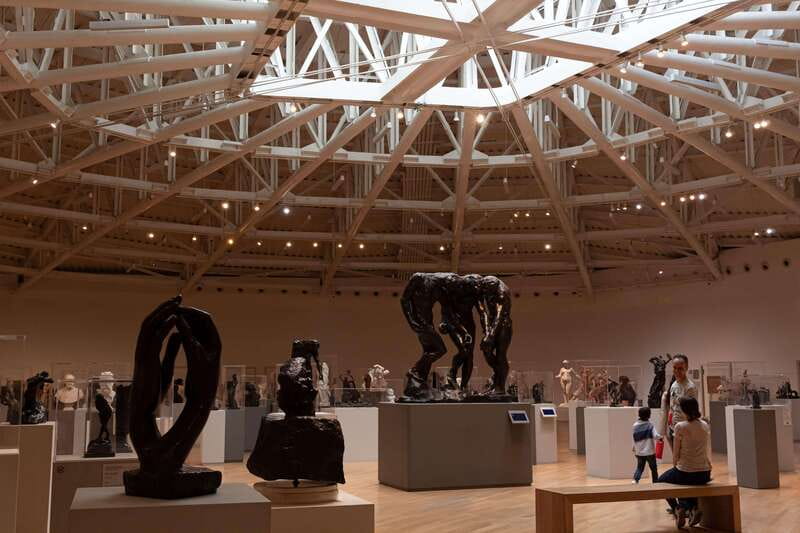
Rodin’s era is another major draw, because it brings sculpture into the conversation in a way that complements the paintings. Rodin is included among the highlight artists, and that matters because his work is about form, tension, and presence.
Sculpture has a different rhythm than painting. You don’t just look at it frontally and move on. You naturally notice volume, posture, and the way light changes across surfaces. In a guided setting, the guide helps you focus on what to watch for, so you don’t end up standing there thinking, now what?
If you’re the type of art lover who likes feeling the emotion through physical shape, Rodin’s section can be a memorable checkpoint during the 2.5-hour visit. It also works as a bridge between European masterpieces and Mexican art history, because sculptural form can connect ideas across different periods.
Old Masters, Modernism, and Mexican art, all in one 2.5 hours
With a tour length of 2.5 hours, the strategy has to be smart. You’re not meant to see everything in full detail. Instead, you’re meant to see enough key works that you leave with a clear mental map and a better set of questions for when you return on your own.
This is why the guide talks about main pieces on each floor and keeps a national focus when it comes to the Mexican sections. It’s not just about efficiency. It’s about learning how to look. When someone points out the main themes and then shows you a few telling details, you start noticing those details yourself.
Here’s a small planning note: the museum includes a lot of European art names, and you’ll see them in the tour’s Western-focused floors. If your priorities are strictly Mexican art, treat the European rooms as bonus context. One of the best ways to do this is to let the guide handle the European setting, then spend your extra time later only where it aligns with your interests.
Who this tour fits best, and who might want a different plan
This tour fits you if you love art history but you do not want to study for it first. It’s also a strong choice if you’re in Mexico for a short time and you want a focused introduction that connects Mexico’s story to Western movements. With a small group and a live guide, it’s easier to ask questions and keep up.
It can also work well for mixed groups. The tour format is flexible enough for families and multi-generational groups, as long as everyone can manage a museum pace for about two and a half hours.
You might choose a different approach if you’re an experienced art researcher who already knows every movement and wants deep time with specific works. In that case, the guided highlights can feel too selective. But for most people, the selection is the point: you get momentum, context, and the feeling of understanding what you’re seeing.
Practical tips to make your museum time feel effortless
Even with a guide, your choices affect your experience. I recommend you wear comfortable shoes, because six floors means lots of walking. Also give yourself permission to enjoy the first pass. You are absorbing themes, not collecting facts.
When the guide highlights a work, pause and look longer than you think you should. The whole idea of a guided tour like this is that you learn faster by paying attention to a few key pieces at the right moments. If you race ahead, you miss the guide’s threads that connect rooms.
Finally, if you care most about Mexican art, pick your questions accordingly. Ask where each era fits in the larger Mexican timeline, and use the answers to decide which floors deserve extra time after the guided portion.
Should you book this Museo Soumaya tour?
I think you should book it if you want a clean, guided way to understand Mexican and Western art without needing a background in art history. The combination of six floors, a small group, and a guide who can explain major works clearly makes this an efficient and rewarding use of time in Polanco.
I’d skip this tour only if your priority is either purely European art with no interest in Mexican context, or you want hours of deep specialist study on one single artist. Otherwise, this is a strong value play: you get a structured storyline, major artists on the itinerary, and a pacing that keeps the museum from feeling like a blur.
FAQ
How long is the guided tour?
The guided tour lasts 2.5 hours.
Where do we meet for the tour?
You meet at the main gate of Museo Soumaya.
How many floors are included in the visit?
The tour explores the whole museum across 6 floors.
What topics or sections will we see inside the museum?
The tour covers Modernism (Ars & Techné), Myths & allegories (from the visible to the invisible), Old Masters (Europa & viceroy), the move from romanticism to avant garde, 20 centuries of Mexican art, and Rodin’s era.
Is the tour focused on Mexican art?
Yes, it includes a national-based focus and highlights Mexican art periods as a major part of the experience, while also covering Western art expressions.
Do I need to be an art expert to enjoy it?
No. The experience is described as for anyone passionate about Mexico and Western art, and you do not need to be an expert or art student.
What languages are offered for the live tour guide?
The tour offers live guided commentary in English, Portuguese, Spanish, German, Italian, and Russian.
Is the museum tour wheelchair accessible, and how big is the group?
Yes, the tour is wheelchair accessible. The group is limited to 10 participants.
Can I cancel my booking?
Free cancellation is available up to 24 hours in advance for a full refund.
Just added around Mexico City
- The Real Mexico City: Under the skin of CDMX★ 5.0 · 21 reviews
- Teotihuacan Pyramids: Guided Tour with Entry Ticket Included★ 4.1 · 45 reviews
- Teotihuacan: Private Tour with Archeologist & Hotel Pick-up★ 4.2 · 164 reviews
- Teotihuacan, Guadalupe, Xochimilco Coyoacan & Frida Kahlo★ 4.0 · 27 reviews
- From Mexico City: Puebla and Cholula Day Tour★ 4.2 · 194 reviews
- National Museum of Anthropology: a journey into Mexico’s past – English lang.★ 4.8 · 26 reviews
- Nevado De Toluca: Reach the Summit with Professionals★ 4.8 · 250 reviews
- Monarch Butterfly Sanctuary Tour from Mexico City★ 4.1 · 19 reviews
Mexico City Tours & Activities, compared.
Teotihuacan, Guadalupe Shrine & Tlatelolco Day Tour with Lunch
Read our review →
Xochimilco, Coyoacan and Frida Kahlo with Optional Lunch
Read our review →
Balloon flight + Breakfast in cave + Pyramids + Pick up CDMX.
Read our review →
Teotihuacan pyramids morning or afternoon without tourist traps
Read our review →
Teotihuacan Early Access Guided Tour with optional Lunch
Read our review →
Balloon flight + pick up in CDMX + Breakfast in Cave + Pyramids
Read our review →
Teotihuacan & Guadalupe Shrine Tour with Lunch
Read our review →
Balloon Flight + Cave Breakfast + Pick Up from CDMX or We Fly
Read our review →Browse the lists this tour appears in