
Reviewed · NATIONAL PARKS
Rio Lagartos: Boat Tour through the Nature Reserve
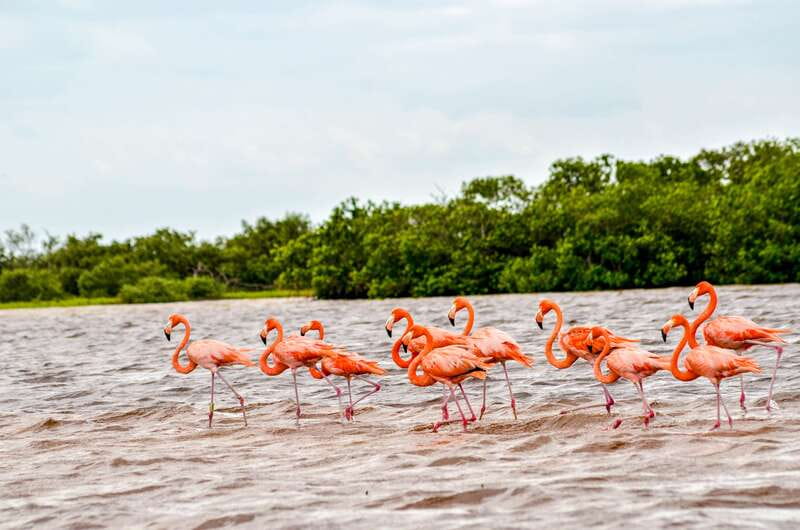
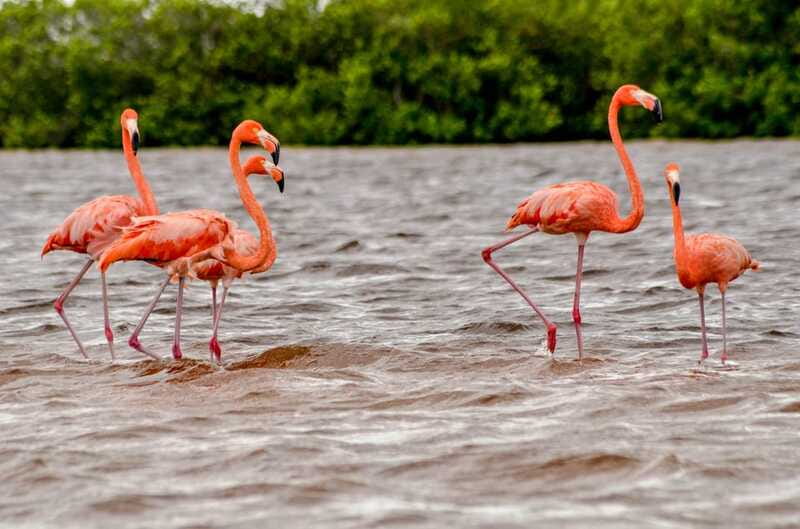
Rio Lagartos mangroves are a front-row seat to wildlife. I love how this 2.5-hour boat ride is built around real animal habitat, not staged photo spots, and you get binoculars and a bird guidebook to help you make sense of what you’re seeing. The big payoff is the chance to spot flamingos feeding and learn the local bird life, with a possible crocodile sighting in the mangroves.
One thing to plan around: nothing here is fully guaranteed. Flamingo numbers shift by season, and crocodiles are seen about 70% of the time, so you’ll want to keep expectations flexible and bring a good camera-ready attitude.
In This Review
- Key moments to look for on the Rio Lagartos boat tour
- Entering the Rio Lagartos Biosphere Reserve, not just riding a boat
- Getting to the meeting point on the Malecon and starting smoothly
- How the private boat tour actually runs in practice
- What you get along the way
- Mangrove channels first, then the flamingo feeding zones
- A quick reality check on flamingos and seasons
- Heron spotting gets easier when you have a guide and a plan
- Crocodile Moreletti in the mangroves, and how to stay cool about it
- The people side: local guiding can make or break your experience
- The virgin beach finish, why it’s there, and how to use it
- Price and value: what $87 per person buys you
- What to bring so you’re comfortable in mangrove heat
- Who should book, and who should skip this style of tour
- Should you book this Rio Lagartos boat tour?
- FAQ
- How long is the Rio Lagartos boat tour?
- Is the tour private, and is there a live guide?
- What’s included in the price?
- Are crocodiles guaranteed to be seen?
- When are flamingos most likely to be seen?
- Where do we meet for the tour in Rio Lagartos?
- What should I bring?
Key moments to look for on the Rio Lagartos boat tour
- Mangrove canal cruising through wetlands where birds and reptiles hunt and rest
- Flamingo feeding areas selected for the best viewing opportunities
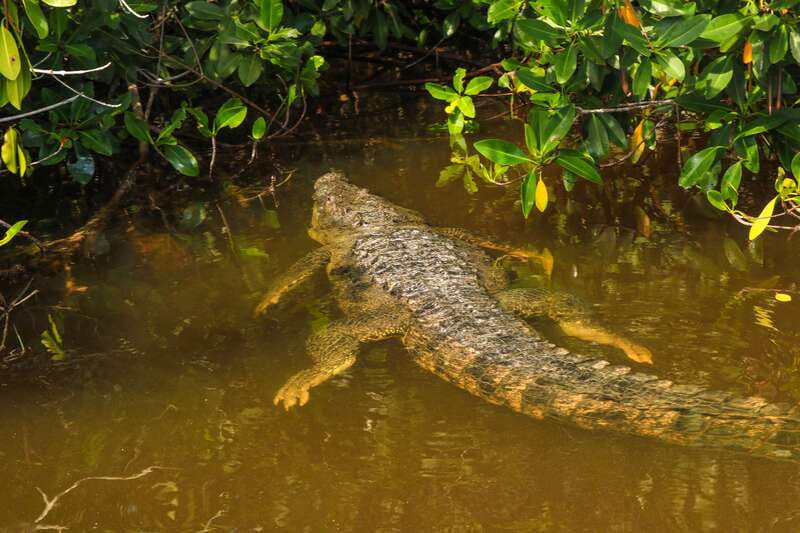
- Crocodile Moreletti possible in the mangroves, with a stated 70% chance
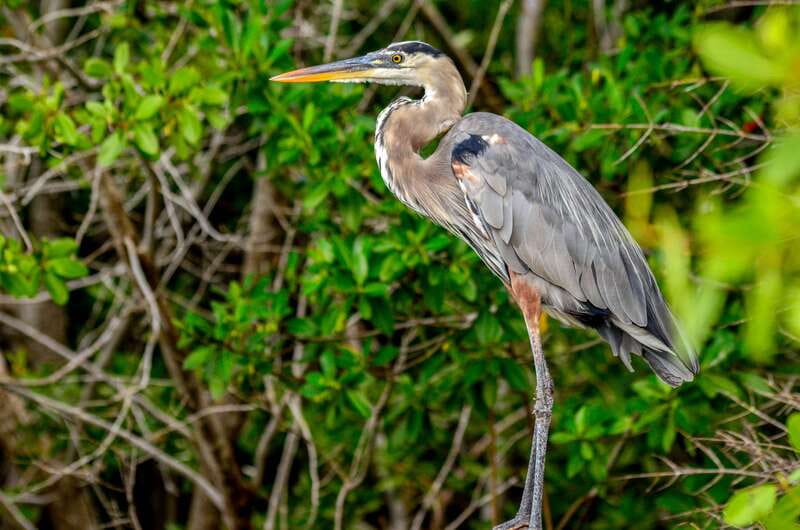
- Heron identification help from a local guide, with species tips you can actually use
- A virgin beach stop to cool off after the wildlife watching
Entering the Rio Lagartos Biosphere Reserve, not just riding a boat
Rio Lagartos is a small fishing village on Mexico’s Yucatan Peninsula, with about 4,500 residents. The town sits right at the edge of the Ria Lagartos Biosphere Reserve, an enormous protected area (over 60,000 hectares) made up of wetlands, mangroves, and coastal dunes. That matters because you are not just sightseeing, you’re moving through the same living spaces that support a lot of the reserve’s wildlife.
What makes this tour interesting is the focus. The route is built around bird habitat and the special feeding zones for flamingo colonies. You also learn the ecology in plain language, which turns the trip from watch-and-guess into watch-and-understand.
Backup plans for Mexico
- Puerto Vallarta Best Zipline Canopy + Tequila and Speed Boat Ride
★ 5.0 · 3,786 reviews - Los Cabos Luxury Sailing, Snorkel and Lunch Cruise
★ 5.0 · 3,515 reviews - Isla Mujeres Luxury Sailing: Adults Only or Family Friendly
★ 4.5 · 3,418 reviews
Getting to the meeting point on the Malecon and starting smoothly
The tour starts in Rio Lagartos. Your meeting point is a wooden palapa with a huano palm roof, marked with tourist information signs. As a simple reference, it’s in front of a green wooden house and a pink concrete house.
This is one of those details that saves time. If you’re arriving by taxi, tell the driver exactly what you’re looking for, and give yourself a few minutes to confirm you’re at the right palapa. Also remember that transportation to and from your accommodation is not included, so plan how you’ll get there and back.
How the private boat tour actually runs in practice
This is a private group boat tour through the Ria Lagartos Biosphere Reserve. You go by boat into mangrove channels with a local guide who lives in Rio Lagartos. The guide’s job is not only to point out animals, but to help you identify bird species and explain how the reserve works.
The trip is set for 2.5 hours, so it moves at a steady pace. You’ll spend the most time in the wildlife viewing sections, then you finish with a beach stop where you can rinse, relax, and cool down after time on the water.
What you get along the way
Included items are built for birding and comfort: binoculars, a bird book, and life jackets. That’s a big value add because you don’t need to hunt down gear before you go, and the bird book helps you match shapes and calls you notice on the water.
Close by, worth a second look:
- Chichen Itza, Cenote, and Valladolid Tour
★ 5.0 · 24,293 reviews - Chichen Itza, Cenote & Valladolid Tour with Tequila and Lunch
★ 4.5 · 15,789 reviews - Teotihuacan, Guadalupe Shrine & Tlatelolco Day Tour with Lunch
★ 5.0 · 11,603 reviews - Cabo Beach Camel Ride, Mexican Buffet and Tequila Tasting
★ 5.0 · 8,815 reviews
Mangrove channels first, then the flamingo feeding zones
The tour route is designed around the reserve’s mangrove maze. Mangroves are not just scenic. They are living systems where birds use the edges for feeding and resting, and where other wildlife can appear near the water.
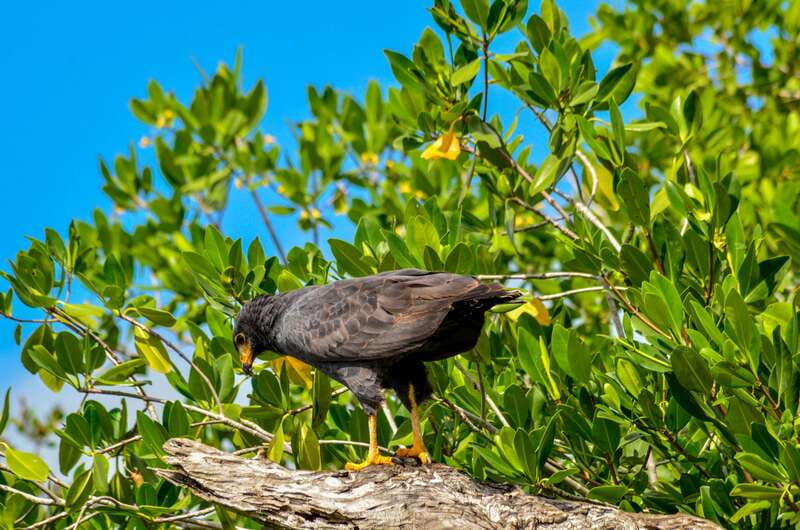
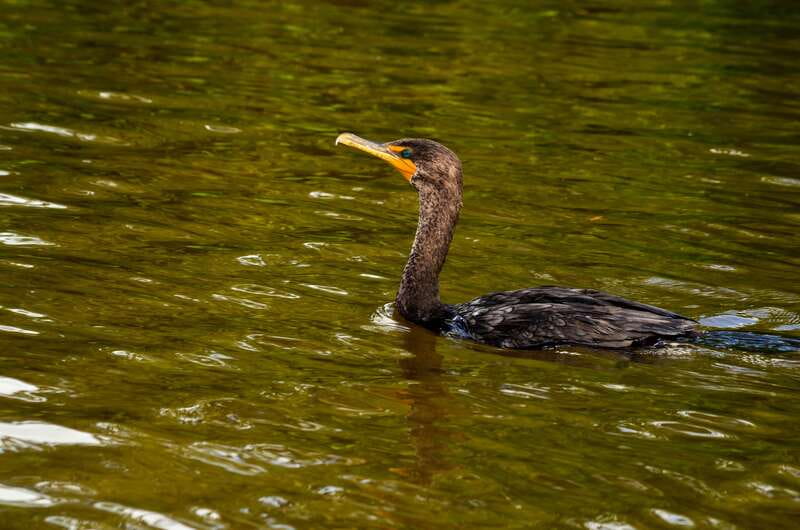
As you cruise, your guide helps you spot different species, and the tour highlights include learning about herons specifically. You may also see other birds such as pelicans, colmoranes, eagles, and frigates, since the reserve has more than 320 bird species identified.
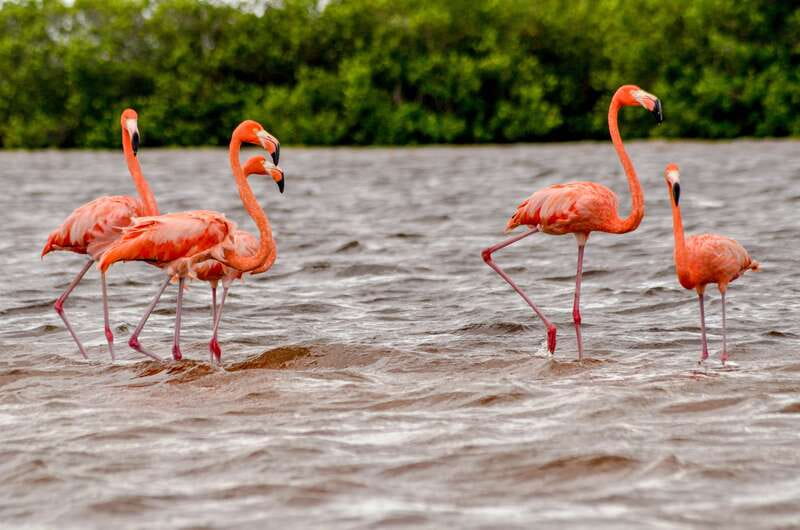
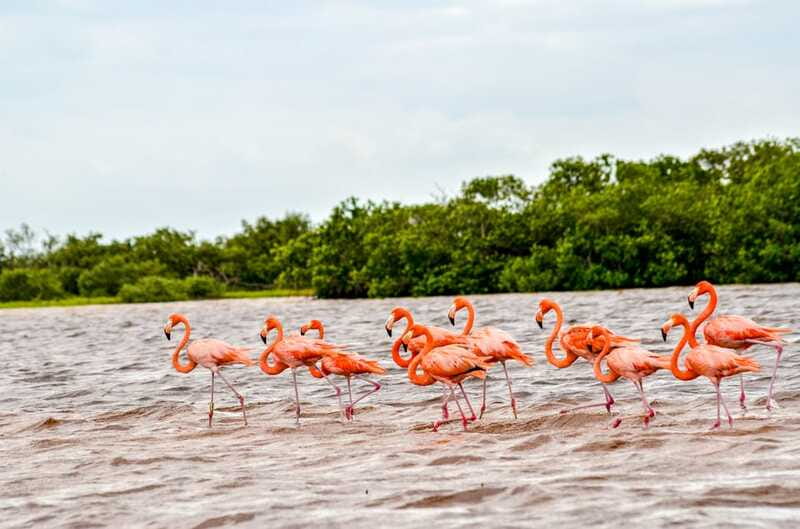
Then comes the main event: you visit special sites chosen for observation of flamingo colonies. These are the feeding areas where flamingos gather when conditions are right, so you’re not just looking for birds on a distant horizon. You’re going where the action is.
A quick reality check on flamingos and seasons
Flamingo numbers vary by season. The information provided is clear: winter and spring are considered low season, while summer generally brings more flamingos. That means timing affects your odds of seeing a strong cluster of pink birds.
If you’re traveling in the low season, don’t panic. You may still spot flamingos, but your best “value move” is to watch the water life closely and trust the guide to find the best viewing points for the day.
Heron spotting gets easier when you have a guide and a plan
This is the part I think you’ll appreciate most if you like wildlife but you’re not a serious birder. The tour is focused on environmental interpretation, and the guide teaches you to identify birds you might otherwise miss or confuse.
Herons are a good example. They can look similar until you know what to look for: shape, stance, and where they’re hunting. Having binoculars and a bird book at the same time makes it practical. You can check what you think you see instead of guessing, and the guide can confirm or correct quickly.
The reserve also supports lots of other bird types, which means your birding list can change hour to hour. The tour’s structure keeps it flexible, so you can enjoy the surprise factor without feeling lost.
Crocodile Moreletti in the mangroves, and how to stay cool about it
Yes, crocodiles are part of the experience. The crocodile mentioned is Moreletti crocodile, and the tour information states there’s a 70% chance you’ll see one. Still, this is wild nature. Even with the best route choices, sightings depend on where the animals decide to be that day.
The key is how you handle the moment. If you want the best chance at a good look, stay patient and keep your attention on what the guide is scanning for. Crocodiles in mangroves can be partly hidden by structure and shadow, so moving too fast or snapping photos constantly can make you miss the clean sight lines.
Also, remember this is natural habitat. The whole tour is built around observing without disturbing the wildlife, and that’s why the viewing feels respectful and unhurried when it’s going well.
The people side: local guiding can make or break your experience
A lot of the trip’s quality comes down to the guide. Since this is a private group tour led by someone local to Rio Lagartos, you should expect hands-on nature interpretation, not canned facts.
When guides are comfortable in English, the tour experience tends to be a lot richer. For example, you may be led by a guide such as Emilio, who has been associated with English explanations and wildlife sightings that include pelicans, flamingos, herons, and crocodiles. Another local guide, Manuel, has also been described as friendly and highly knowledgeable, with calm, careful animal viewing and a safe-feeling boat ride.
Here’s the practical caution: one group had trouble because their assigned guide was not comfortable in English. So if you’re booking specifically for English, it’s worth confirming that your guide will truly be able to answer questions in English without strain. If language comfort matters to you, you’ll get a better experience when that’s solid from the start.
The virgin beach finish, why it’s there, and how to use it
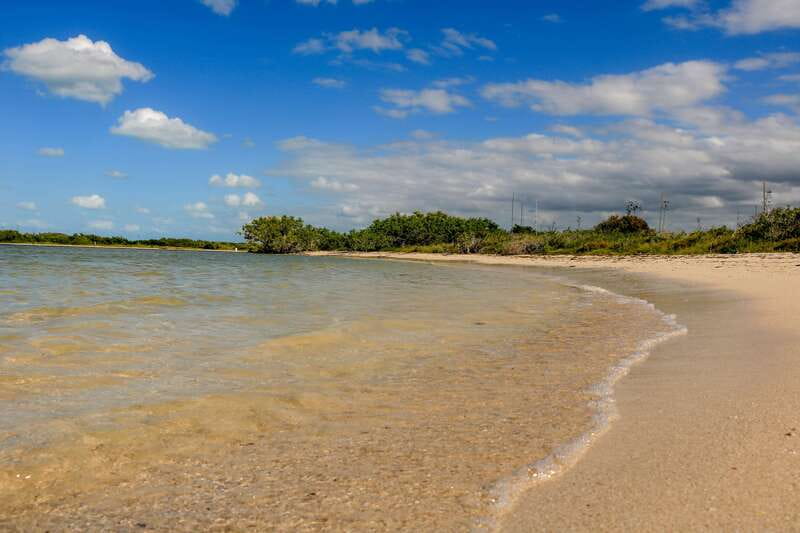
After the main wildlife time, the tour visits a virgin beach with crystalline waters. This is a good pacing choice. Mangroves can be intense for wildlife viewing, and a beach stop gives you a reset.
If you bring swimwear and a towel, you can actually use the water instead of just standing around. The tour information also suggests changing clothes, which is smart because boat + sun + salt can leave you sticky fast.
A nice bonus to watch for is that some days may include small add-ons. One example mentioned is a stop at Spa Maya for a clay mask, followed by a rinse on the Rio Lagartos beach. That may not be guaranteed for every booking, but it’s the kind of quick, local experience you might catch depending on the day and schedule, so it’s worth asking.
Price and value: what $87 per person buys you
At $87 per person, this tour sits in the midrange for wildlife boat experiences in Mexico. The value comes from a few practical things, not just the setting.
You’re getting:
- A private guided boat tour (not a big shared cattle-car setup)
- Binoculars and a bird guidebook included
- Life jackets included
- A route planned for flamingo feeding areas and wildlife viewing
- A beach finish, so you’re not stuck on the boat the whole time
If you’re the kind of traveler who enjoys understanding what you’re seeing, this pricing makes more sense because you’re paying for interpretation, not just transport. If you only want a quick look at birds with no explanation, you might feel the cost more. But if you want the mangroves explained and the bird species pointed out, it’s a fair deal for a focused, 2.5-hour nature experience.
Also note that food and drinks are not included. Budget for water since you’ll want it in the sun, and plan a meal before or after.
What to bring so you’re comfortable in mangrove heat
The list is simple, and it’s worth following. The tour suggests:
- Sunglasses and a sun hat
- Comfortable clothes and beachwear
- Swimwear, towel, and a change of clothes
- Camera and a charged smartphone
- Water and cash
You’ll be out in sun and salt air, and you’re on a boat. I like that they explicitly call out swimwear and a change of clothes because the beach stop is real, not theoretical.
One more practical tip: keep your phone protected. The tour includes time on the water and near the beach, so you’ll want it accessible but not exposed to sprays or sand.
Who should book, and who should skip this style of tour
This experience is best for people who enjoy wildlife, birds, and nature interpretation, and who are comfortable spending a couple of hours on the water.
It is not suitable for many groups, including:
- Children under 2 years
- Pregnant women
- People with back problems, mobility impairments, or wheelchair users
- People with epilepsy, recent surgeries, or hearing-impaired people
- People over 65 years, and especially over 70 years
- Visually impaired people
If you fit those constraints, don’t force it. Safety and comfort matter more than getting the photo.
If you’re generally mobile, not in any of the above categories, and you can handle sun and being on a boat, this is a strong nature tour for a single morning or afternoon slot.
Should you book this Rio Lagartos boat tour?
Book it if you want a wildlife-focused mangrove canal experience with flamingo feeding viewing, a strong birding component, and the chance to see crocodiles in natural habitat. The tour is value-friendly when you care about learning, because binoculars, bird materials, and a local guide are part of the package.
Consider skipping or postponing if you’re traveling in a low flamingo season and you’re only interested in guaranteed flamingo numbers. Also, if you need English explanations for complex questions, confirm the guide’s English comfort before you go.
One more reason to feel confident about booking: cancellation is offered up to 24 hours in advance for a full refund, and you can reserve now and pay later. That flexibility helps when weather, schedules, or connecting travel plans are in play.
If your travel style matches nature first, this tour is exactly the kind of outing that turns a postcard region into a real place you can understand.
FAQ
How long is the Rio Lagartos boat tour?
The tour duration is 2.5 hours.
Is the tour private, and is there a live guide?
Yes, it’s a private group tour with a live guide in English.
What’s included in the price?
Binoculars, a bird book, life jackets, and the tour information into the biosphere reserve are included.
Are crocodiles guaranteed to be seen?
No. Crocodiles are in their natural habitat, and the chance to see them is stated as 70%.
When are flamingos most likely to be seen?
Flamingo colonies vary by season. Winter and spring are considered low season, while summer usually has more flamingos.
Where do we meet for the tour in Rio Lagartos?
Meet at a wooden palapa with a huano palm roof with tourist information signs, in front of a green wooden house and a pink concrete house.
What should I bring?
Bring sunglasses, a sun hat, comfortable clothes, swimwear, a change of clothes, a towel, water, a camera, and cash, plus a charged smartphone.
Just added around Mexico
- Puerto Morelos Foodie Tour, Mexico in every bite!★ 5.0 · 241 reviews
- Private flight to Holbox from Cancun★ 4.5 · 35 reviews
- Luxury FERRY Xcaret: From Cancun to Isla Mujeres★ 4.5 · 167 reviews
- Two Dives and Class for Begginers Divers in Cancun★ 5.0 · 19 reviews
- Explore Contoy Island★ 4.0 · 38 reviews
- Excursion to Chichén Itzá, Valladolid and Cenote xcajum★ 4.0 · 45 reviews
- Exclusive Tour to Chichen Itza, 2 different Cenotes & Valladolid for 1 price!★ 3.5 · 34 reviews
- Exciting Catamaran Tour to Isla Mujeres, from Cancún!★ 4.0 · 49 reviews
National Parks, compared.
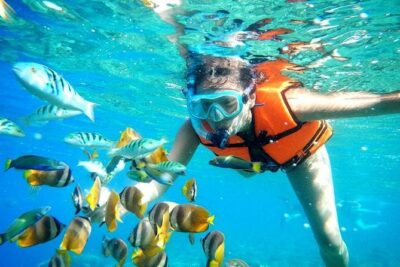
Reef Snorkeling in National Park from Cancun with Beachside Lunch
Read our review →
Marietas Islands National Park: Full Day ALL INCLUSIVE Tour
Read our review →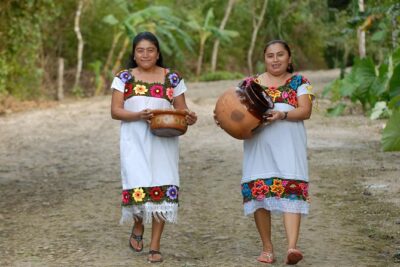
Coba Ruins, Punta Laguna Nature Reserve, Cenote and Mayan family
Read our review →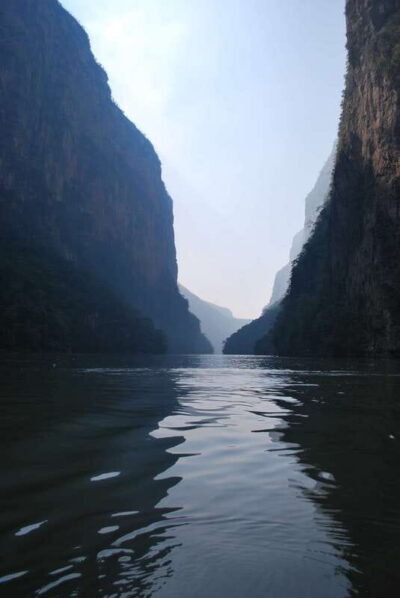
Sumidero National Park Full-Day Trip from San Cristobal
Read our review →
Rio Secreto Nature Reserve: Bicycle, Rappel & Ziplines Tour
Read our review →
Sumidero National Park Full-Day Trip from Tuxtla Gutiérrez
Read our review →Browse the lists this tour appears in