
Reviewed · DESSERT TOURS
Puerto Vallarta: Bean to Bar Chocolate Workshop
Chocolate changes fast, one bean at a time. This workshop at ChocoMuseo Puerto Vallarta turns cocoa into something you can actually make yourself, from roasting and grinding to molding bars you take home. I especially love how the guides (like Zoar, Rodrigo, and Martin) keep the history clear and fun, and how you also get to make and taste three traditional chocolate drinks. One consideration: it is not suitable for wheelchair users, so plan accordingly if mobility is an issue.
In a small group capped at 8, you get hands-on time instead of watching from the back. The price, $62 per person for 2 hours, feels fair because ingredients, toppings, drinks, and the chocolate you make are included.
In This Review
- Key reasons this workshop works so well
- Inside ChocoMuseo, where cacao history becomes practical
- The 2-hour flow, from museum tour to your own chocolate bars
- The museum tour and cacao history talk
- Roasting cocoa beans, the step you cannot skip
- Grinding and making chocolate you can take with you
- Preparing three traditional chocolate drinks
- What is included for $62, and why it feels like a fair deal
- Small group energy, English instruction, and what that means in practice
- Dietary needs and comfort level, what the workshop can handle
- Who should book this workshop, and who might want a different plan
- Tips to get the most from your hands-on chocolate session
- Should you book Puerto Vallarta’s bean-to-bar workshop?
Key reasons this workshop works so well
- Small group size (8 max) means more hands-on attention
- You roast and grind cacao beans, not just sample chocolate
- Three traditional drinks you make and taste during the class
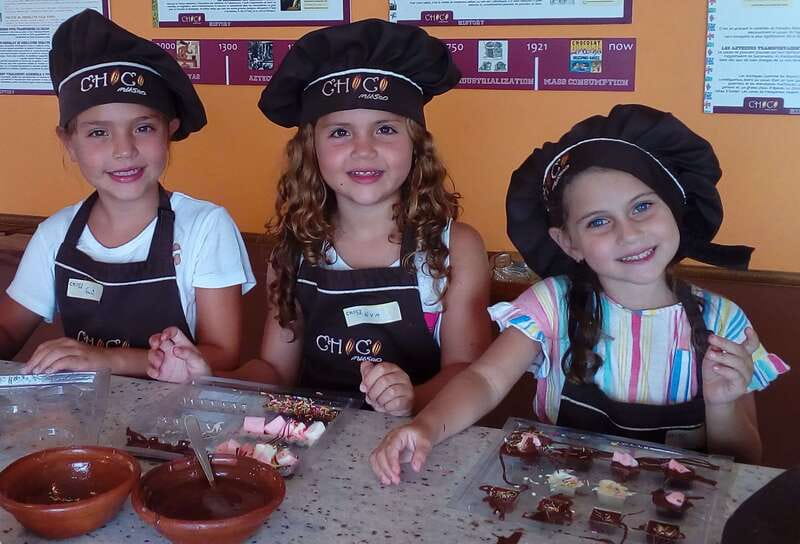
- Take-home molded chocolate with your own add-ins
- English instruction makes it easy to follow along
- Dietary options are possible (vegan, vegetarian, gluten-free, lactose-free)
Inside ChocoMuseo, where cacao history becomes practical
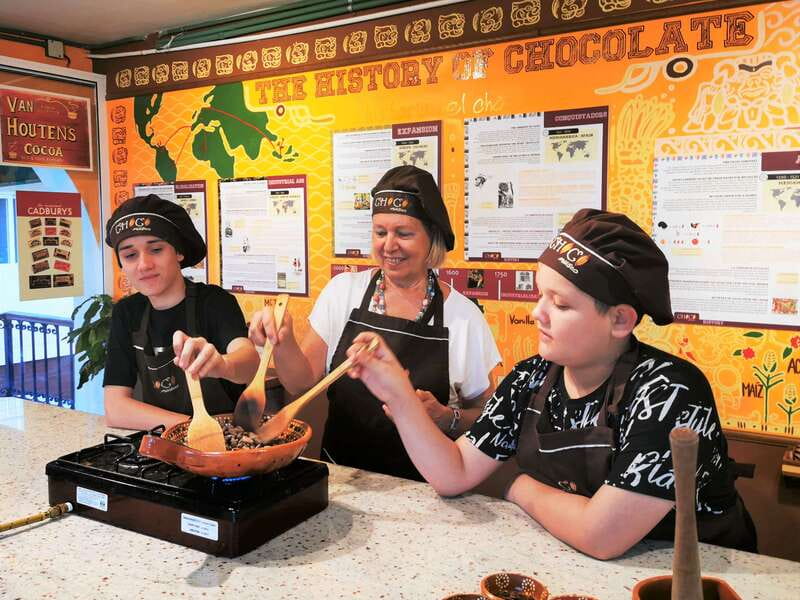
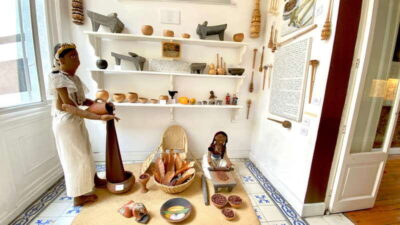
If you like food that has a story, this is a good match. The experience is built around a chocolate museum visit, but the main point is action. You are learning how cacao moves from raw beans to chocolate that shows up in drinks and sweets.
I like that the workshop is not just a lecture. You walk through the process, then you get your hands dirty with the part that most people never see at home: preparing cacao beans and turning them into chocolate. That mix of museum learning plus hands-on making is exactly why this feels more like a class than a quick tasting.
You should also know the tone is friendly and interactive. In multiple groups, guides such as Zoar and Rodrigo were praised for keeping kids and adults engaged at the same time. That matters because chocolate workshops can either be too stiff or too casual. Here, you tend to get both structure and laughs.
More Mexico trips to line up:
- Chichen Itza, Cenote, and Valladolid Tour
★ 5.0 · 24,293 reviews - Chichen Itza, Cenote & Valladolid Tour with Tequila and Lunch
★ 4.5 · 15,789 reviews - Teotihuacan, Guadalupe Shrine & Tlatelolco Day Tour with Lunch
★ 5.0 · 11,603 reviews
The 2-hour flow, from museum tour to your own chocolate bars
This is a 2-hour experience, so everything moves at a steady pace. You meet at the scheduled point on time, because the class runs like a workshop, not a free-roaming museum day.
Here is the typical rhythm you should expect.
The museum tour and cacao history talk
You start with a guided tour inside the chocolate museum. This is where you get context, like where cacao comes from and why chocolate became a big part of Mexican culture. People often come for the hands-on part, but the museum segment helps the rest of the class click.
Guides like Martin were specifically noted for being both informative and funny while explaining the evolution of cacao in Mexico. Even if you have only a little background, you will get a better sense of what you are tasting and making. The history also makes the technical bits, like grinding and roasting, feel purposeful rather than random.
Roasting cocoa beans, the step you cannot skip
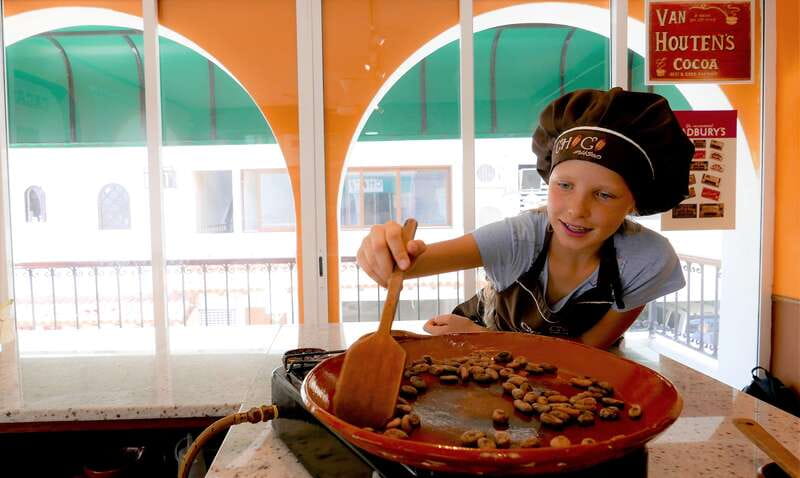
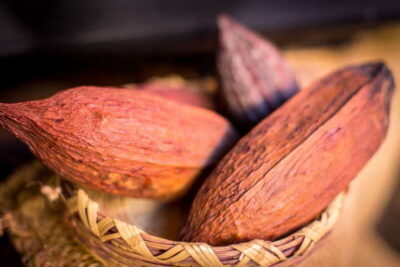
Then you shift from learning to doing. The workshop includes roasting and grinding cocoa beans, which is where chocolate starts to transform.
Why it matters to you: roasting is a smell event as much as a taste event. Raw cacao has a different character, and roasting is what helps develop the flavor notes people expect from chocolate. Grinding afterward is what brings you from bean to a paste-like base that can be worked into drinks and molded sweets.
This is one of the most praised parts of the experience because it is tangible. You do not just hear about it, you see how quickly a raw ingredient becomes something closer to what you know as chocolate.
Close by, worth a second look:
- Cabo Beach Camel Ride, Mexican Buffet and Tequila Tasting
★ 5.0 · 8,815 reviews - Xochimilco, Coyoacan and Frida Kahlo with Optional Lunch
★ 4.5 · 7,320 reviews - Mr. Sanchos Beach Club All-Inclusive Day Pass
★ 4.5 · 6,744 reviews - Cancun: Chichen Itza, Cenote & Valladolid Tour with Lunch
★ 4.6 · 6,722 reviews
Grinding and making chocolate you can take with you
After the roasting and grinding work, you move toward making your own chocolate creations. The workshop is hands-on enough that you can make choices about what goes into your chocolate, such as add-ins and toppings.
One detail I like for value: the workshop includes ingredients, materials, and toppings so you are not limited to one plain option. That is how the class turns from a demo into a souvenir you actually shaped yourself. And yes, you get to take that chocolate home, not just eat it in class.
Preparing three traditional chocolate drinks
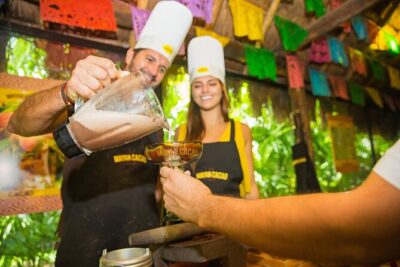
The other big highlight is that you prepare three traditional chocolate drinks. These are not just samples on the side. You make them, then you taste them together with your group.
From the experiences shared, one of the drinks can involve something with masa, and people found it delicious but a little unusual in texture. Another common theme is that the guides help you adjust and learn while you go. You may also have choices, such as preparing with dark or milk chocolate.
If you have ever wondered why chocolate drinks can feel different even when they are all called hot chocolate, this part answers that. Texture, thickness, and flavor all shift based on how the ingredients are combined. The workshop keeps it practical, so you can carry those lessons into your own kitchen someday.
What is included for $62, and why it feels like a fair deal
At $62 per person for a 2-hour workshop, the price only makes sense if you get more than a small tasting. Here, you do.
Included items:
- A guided tour inside the museum
- A cacao and chocolate expert during the workshop
- 3 traditional drinks you prepare
- The chocolate you make
- Ingredients, materials, and toppings to build your own chocolates
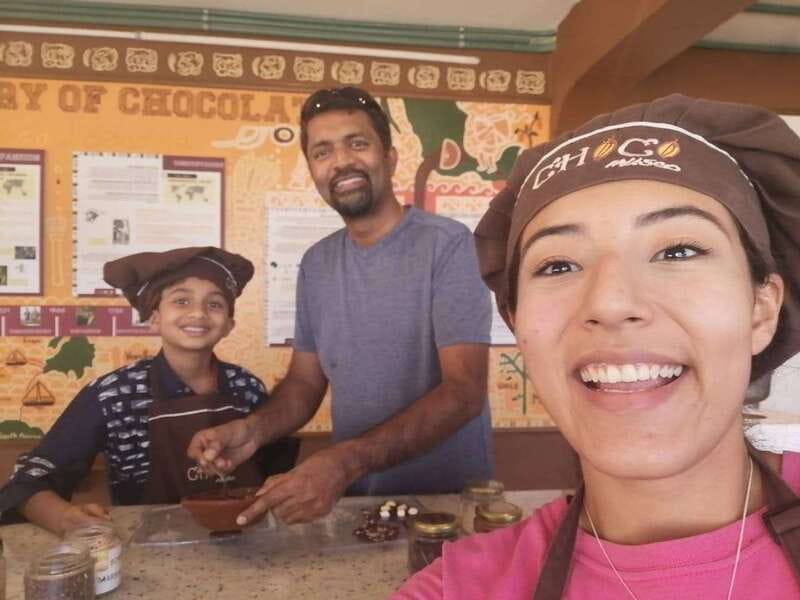
- Apron and hat for the duration of the class
For many food experiences in Puerto Vallarta, you pay for an experience and then either buy extra items later. This one hands you the ingredients and tools within the session, and you leave with a product you made.
Also, because the group is small, you spend less time waiting and more time doing. That is hard to quantify until you compare it to bigger tastings where you get one spoon and a wave goodbye.
Small group energy, English instruction, and what that means in practice
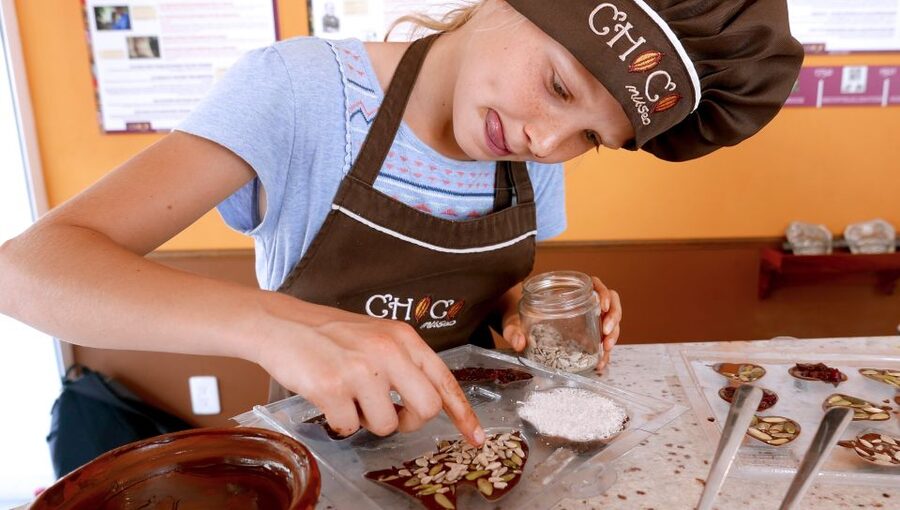
This is limited to 8 participants, which changes the vibe quickly. When you are in a group that size, you get attention while you work, and the guide can answer questions as they come up.
The instructor is English, which is a big help if you are not fluent in Spanish. You can focus on what the guide is saying about cacao and chocolate without trying to interpret everything through a translator.
One more practical point: the workshop provides an apron and hat, which helps keep your clothes safe during mixing and handling. It also gives you that proper workshop feeling, like you are really there to make something, not just observe.
Dietary needs and comfort level, what the workshop can handle
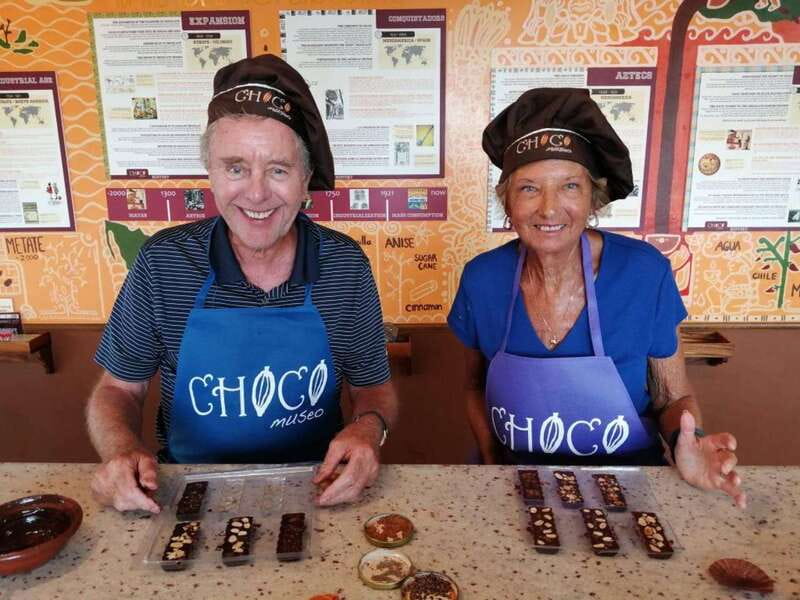
Good news if you have dietary limits. The class can be vegan, vegetarian, gluten-free, and lactose-free.
What I like about that is it means you are not automatically pushed toward one bland option. Instead, you can ask for what you need and still participate in the process of making the drinks and molded chocolate.
Comfort matters too. Bring comfortable shoes and comfortable clothes. You will be moving around within the museum area and spending hands-on time with ingredients.
Who should book this workshop, and who might want a different plan
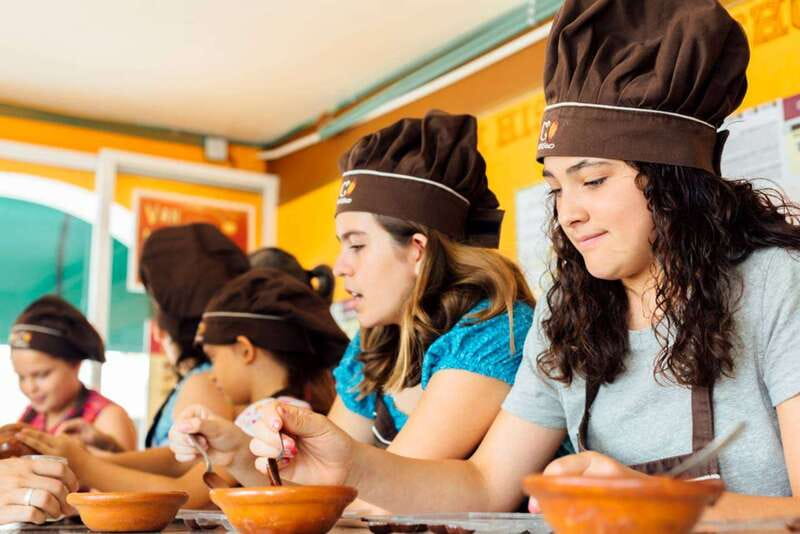
This experience is a strong fit if you:
- Like hands-on learning more than passive tours
- Want a food activity that includes both tasting and making
- Are curious about how chocolate connects to Mexican history and cacao traditions
- Travel with mixed ages, since guides were praised for keeping a wide range entertained
It can also work well for older kids who can follow directions, based on group stories where ages ran from 10 up to 70-plus.
It might be less ideal if you:
- Use a wheelchair, since it is not suitable for wheelchair users
- Want a longer meal-based experience, because food or drinks outside the workshop drinks are not included and transportation is also not included
If your plan is mainly about a snack and a quick photo, this may feel like more “class” than you want. But if you want real technique and take-home chocolate, you will probably feel like you got your money’s worth.
Tips to get the most from your hands-on chocolate session
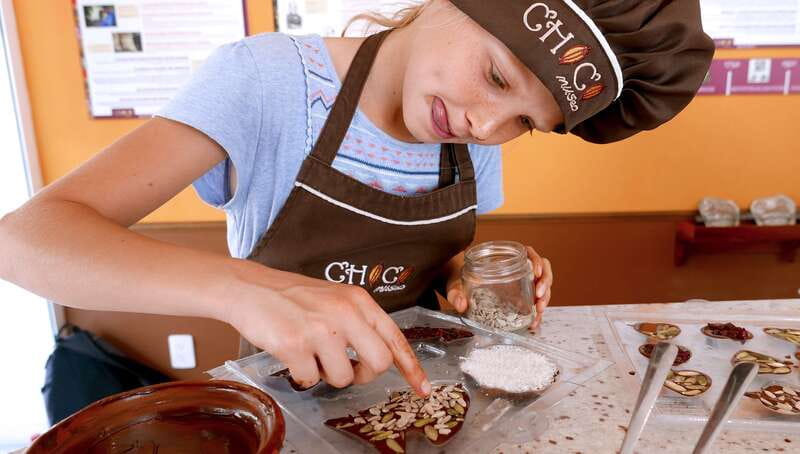
You will enjoy this more if you show up ready to work, not just watch.
- Wear comfortable shoes. Roasting and grinding can make you stand for stretches.
- Expect to get a little messy, even with an apron.
- Come with curiosity, not perfection. The process matters, and the guide will help you along.
- If you are ordering a dietary option, plan to communicate your needs clearly in advance.
Small group classes move fast. If you want to ask questions, the time to do it is during the process steps, not after everyone has wrapped up.
Should you book Puerto Vallarta’s bean-to-bar workshop?
I think you should book it if you want chocolate that comes with real context and real technique. The workshop delivers on the big-ticket items: roasting and grinding, making three traditional drinks, and taking home chocolate you actually molded. With a small group and English instruction, it also tends to feel personal instead of rushed.
Skip it or consider another option if mobility is a concern, if you hate hands-on activities, or if you are looking for a primarily food-focused sit-down meal. Also note that transportation and extra food are not included, so plan your day around the meeting point and any meals you need before or after.
If you are in Puerto Vallarta and you want something fun that teaches you something you can remember, this is one of the better ways to do it in just two hours.
Just added around Mexico
- Puerto Morelos Foodie Tour, Mexico in every bite!★ 5.0 · 241 reviews
- Private flight to Holbox from Cancun★ 4.5 · 35 reviews
- Luxury FERRY Xcaret: From Cancun to Isla Mujeres★ 4.5 · 167 reviews
- Two Dives and Class for Begginers Divers in Cancun★ 5.0 · 19 reviews
- Excursion to Chichén Itzá, Valladolid and Cenote xcajum★ 4.0 · 45 reviews
- Exclusive Tour to Chichen Itza, 2 different Cenotes & Valladolid for 1 price!★ 3.5 · 34 reviews
- Explore Contoy Island★ 4.0 · 38 reviews
- Exciting Catamaran Tour to Isla Mujeres, from Cancún!★ 4.0 · 49 reviews
Dessert Tours, compared.
Finca 18 Puerto Vallarta Tequila Tour + Chocolate Pairing
Read our review →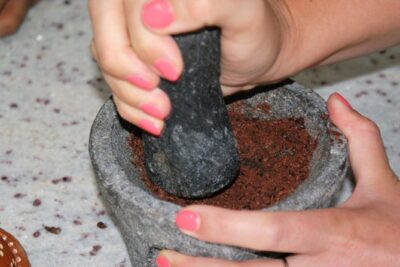
Bean to Bar Chocolate Workshop in Puerto Vallarta
Read our review →
San Miguel de Allende: Chocolate Tasting and Walking Tour
Read our review →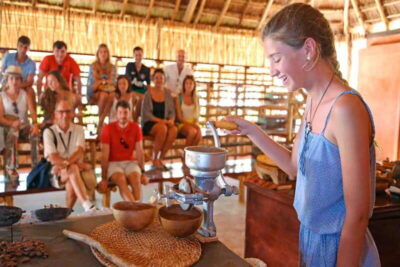
Browse the lists this tour appears in