
Reviewed · SEA TURTLE ENCOUNTERS
Puerto Vallarta: Baby Turtle Release in Conservation Area
Sea turtles, but make it real conservation. This Puerto Vallarta experience takes you to a local site to learn about olive ridley nesting and hatchling survival, led by guide Eduardo with English and Spanish explanations.
I also like that you do not just watch. You help with the baby turtle release at the shoreline after conservation staff show how nests and eggs are handled, but one drawback is that the magic depends on hatchlings making it out that day.
In This Review
- Key Things You’ll Notice Right Away
- Sea Turtle Conservation in Puerto Vallarta That Feels Like Purpose
- Getting There: Finding the End of Paseo Bocanegra
- The 15-Minute Walk That Sets the Tone
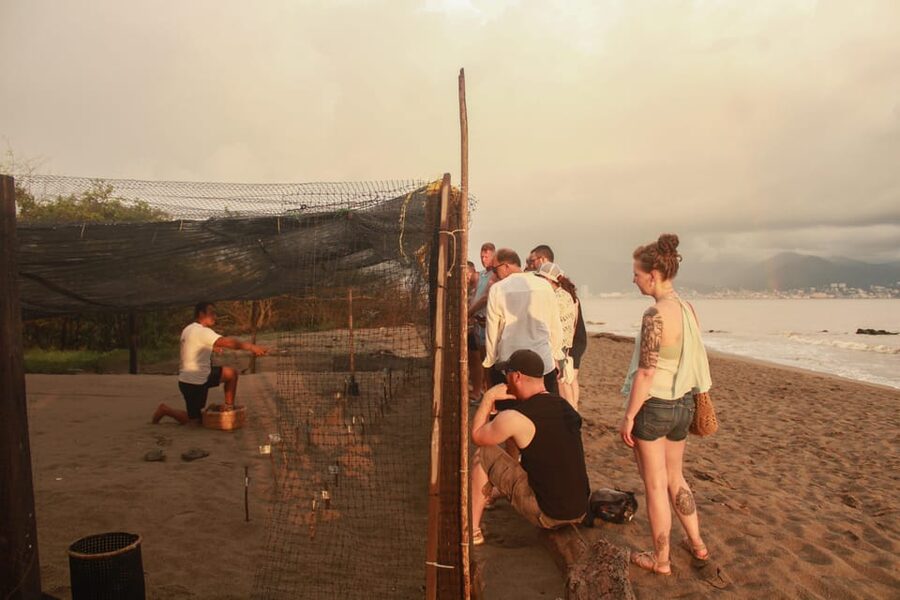
- Campsite Class (About 45 Minutes): How Olive Ridley Eggs Become Hatchlings
- Wildlife Viewing Stop (About 20 Minutes): Watching the Search and the Science
- Sunset Over the Bay: When Hatchlings Arrive
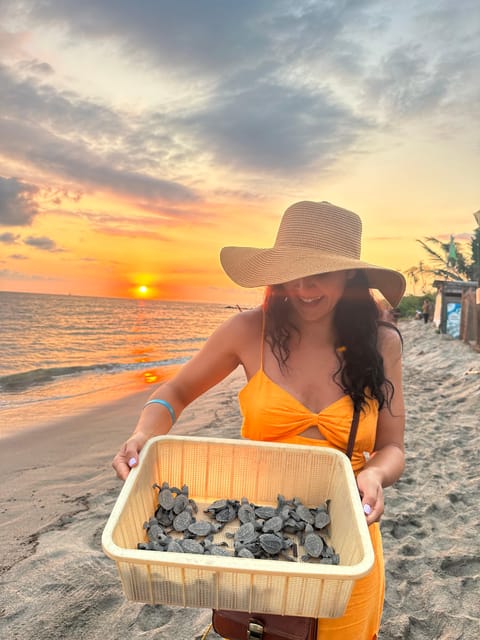
- The Release Moment: You Help a Baby Turtle Reach the Ocean
- What’s Included, and What You Should Expect on the Photo Side
- Price and Value: Why $40 Works Here
- What to Bring: Small Prep Choices Make a Big Difference
- Practical Comfort Notes: The Area Is Wild, Not a Hotel
- Who This Tour Is Best For
- Should You Book This Baby Turtle Release Tour?
- FAQ
- How long is the Puerto Vallarta baby turtle release experience?
- What is the price per person?
- Where do I meet the guide?
- Is transportation included?
- How much walking is involved?
- Can children participate?
- What should I bring?
- What is not allowed during the tour?
- What happens if no turtles hatch on the day of my reservation?
- Are photos included?
Key Things You’ll Notice Right Away
- Egg collection and incubation explained by the conservation team, before you see the hatchlings
- Hands-on release moment, not a passive photo stop
- Sunset views over the bay that make the evening feel special without the showy vibe
- Bilingual guiding in English and Spanish, with a lively, engaging style from Eduardo
- Photos and water included, so you can focus on the experience
- Flexible if nothing hatches, with the option to reschedule or cancel
Sea Turtle Conservation in Puerto Vallarta That Feels Like Purpose
What makes this turtle release different is that it is built around the work, not the spectacle. You learn how conservation workers locate nests, collect eggs, and incubate them so baby sea turtles have a better start. Then you get to witness the payoff, when the hatchlings make their way toward the ocean.
It is also oddly calming. You are outdoors, you are close to nature, and the pacing gives you time to absorb what you are seeing. You will probably leave thinking differently about beach behavior, light, and plastic, because you learn where the turtles are vulnerable long before the first turtle ever reaches the sand.
More turtle snorkels in Puerto Vallarta:
- Half-Day Sea Turtle and Cenote Snorkeling Tour from Cancun & Riviera Maya
★ 5.0 · 2,039 reviews - Tulum Ruins, Turtles in Akumal and Cenote tour
★ 5.0 · 1,706 reviews - 5-in-1 Cancun Snorkeling: Turtles, Reef, Musa, Shipwreck, Cenote
★ 4.5 · 1,678 reviews
Getting There: Finding the End of Paseo Bocanegra
Plan on meeting at the end of Paseo Bocanegra street, with best access through the Marina Vallarta area. The directions are simple, but they matter. You go in via Albatros street, cross Paseo Bocanegra, then keep going straight until you reach the end.
Look for a golf course, a wall with drawings, and the beach at the far end. If you arrive early, wait. Do not walk to the campground alone, especially because it is described as being a bit out of the way.
Transportation is not included, so you will want your plan for getting there and back ready. For most people, a car service like an Uber is the easiest way to cover the first leg, then the rest is on foot with your guide.
The 15-Minute Walk That Sets the Tone
After meeting, you walk about 15 minutes to reach the conservation area. This matters more than it sounds. It gets you from the busy shoreline feeling to the quieter working space where eggs, nests, and hatchlings are the focus.
Wear comfortable clothes and shoes that can handle sand and uneven ground. You are outdoors most of the time, so the walk also helps you get into the right mindset before the education portion begins.
Campsite Class (About 45 Minutes): How Olive Ridley Eggs Become Hatchlings
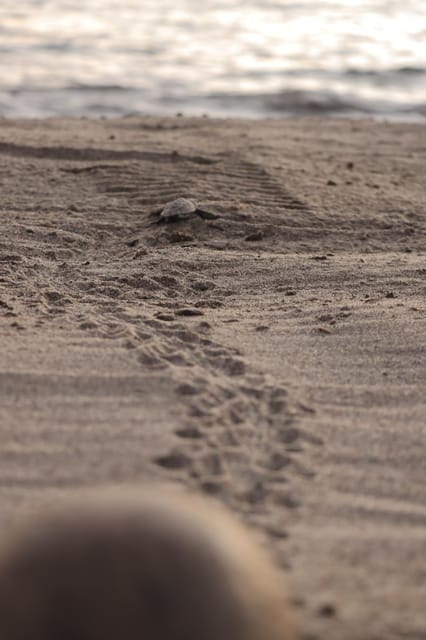
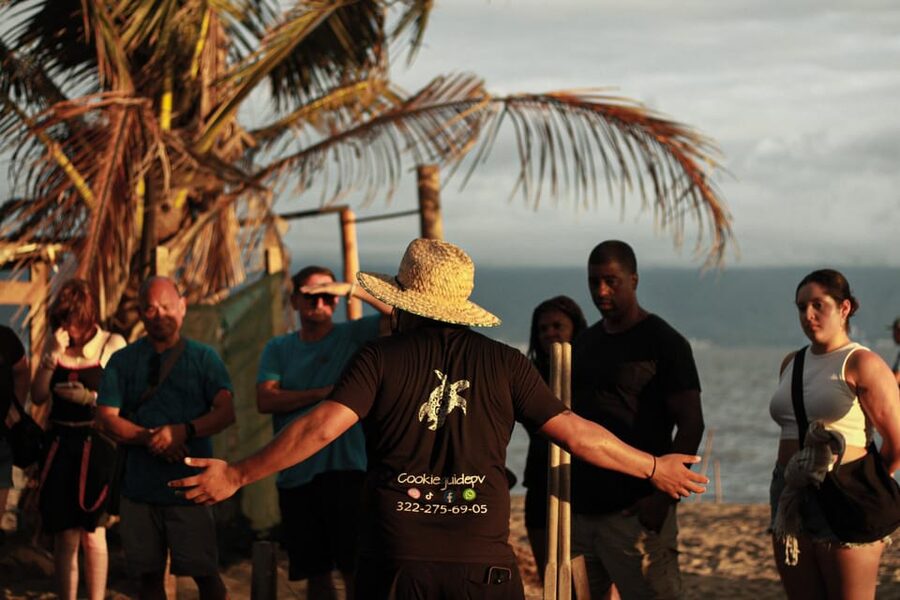
The heart of the tour starts at the campsite with a classroom-style session and a demonstration. You spend roughly 45 minutes learning the life cycle of the olive ridley sea turtle, and how conservation workers handle eggs in the nesting area.
This is where the experience earns its value. Instead of generic turtle facts, you learn about practical steps that protect endangered animals: finding nests, dealing with eggs, and supporting incubation so hatchlings are ready when the time comes. You also learn what conservation teams look for on the ground, which turns the beach into a living system, not just a vacation backdrop.
One more reason I like this part: it makes the release meaningful. When you understand the effort behind incubation and the timing of hatching, you are not just releasing a baby turtle. You are participating in a chain of conservation decisions.
Backup plans for Puerto Vallarta
- Puerto Vallarta Best Zipline Canopy + Tequila and Speed Boat Ride
★ 5.0 · 3,786 reviews - Winner 2025 Downtown Vallarta Food Tour with Vallarta Food Tours
★ 5.0 · 3,738 reviews - Extreme Adventure, Wildest Bridge, ATV & Ziplines
★ 5.0 · 3,179 reviews - Mega Yacht ALL INCLUSIVE Yelapa Waterfall & Snorkeling Adventure
★ 5.0 · 2,515 reviews
Wildlife Viewing Stop (About 20 Minutes): Watching the Search and the Science
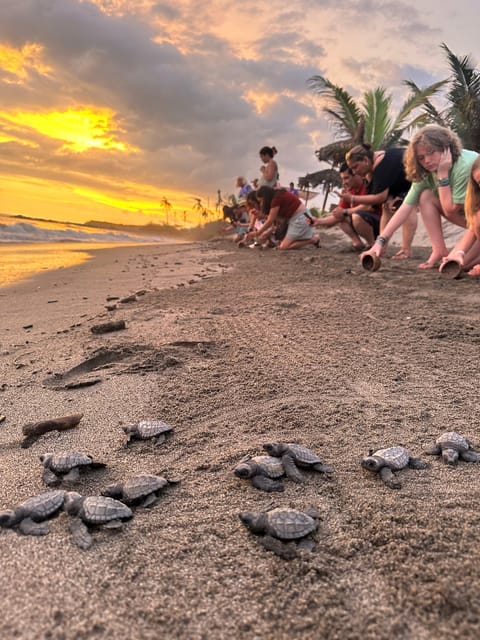
Next comes about 20 minutes of wildlife viewing. This is not a long hike, but it’s not a quick photo sprint either. You are positioned to see how the team searches for nests and eggs, and you get context for what “conservation” actually looks like day to day.
The value here is perspective. You see that the work is careful and methodical, not magical. That helps you understand why the team collects and incubates eggs in the first place. You also come away with a better feel for timing, because hatch windows are real and they are not always predictable.
If the day is moving with good energy, this segment can feel like the calm before the big moment. If the day is stormy or windy, you’ll still get the core education, but you may have to keep a flexible attitude about conditions.
Sunset Over the Bay: When Hatchlings Arrive
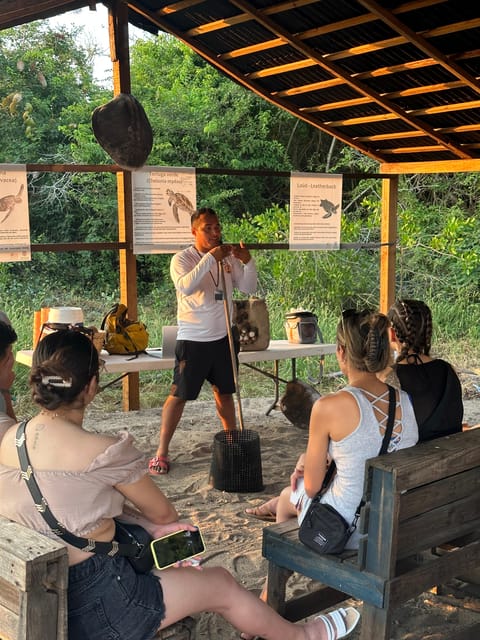
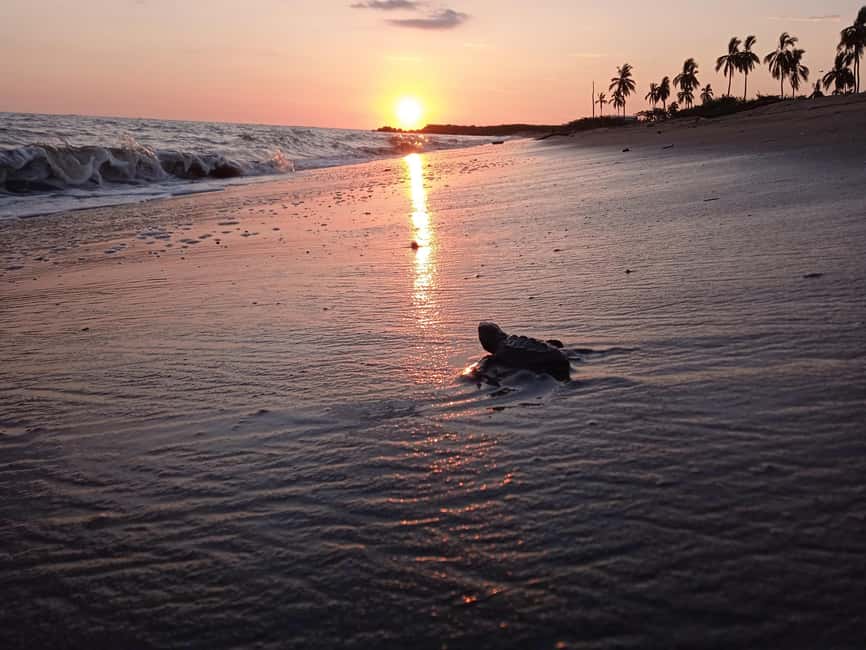
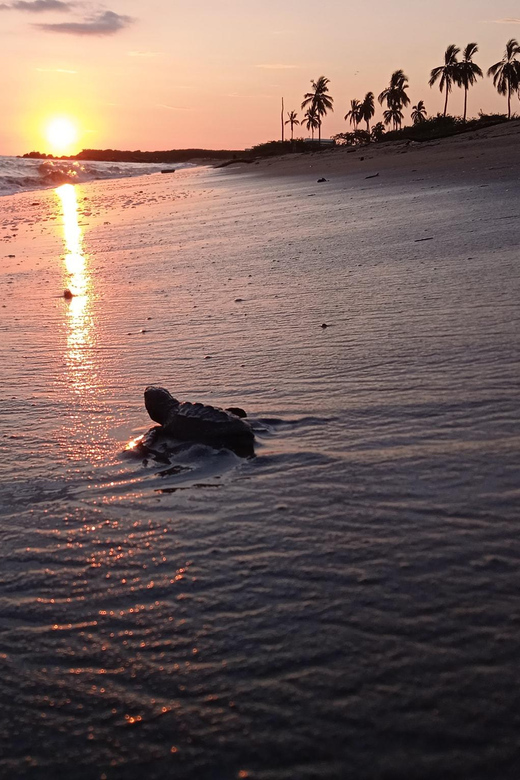
Then comes the best part: you enjoy a beautiful sunset with scenic views of the bay. This backdrop does more than look pretty. It sets the tone for why hatchlings are released in a controlled, careful way. The evening light also makes the moment easier to watch, since hatchlings are small and quick.
Depending on the day, you can watch hatchlings emerge and move toward the shoreline. The experience is described as magical, and that tracks. It is not a staged trick. It is a natural event supported by conservation work.
You will likely feel a mix of awe and hope. Awe because it is genuinely rare to see this close up, and hope because you learn how much effort goes into giving these endangered turtles a better chance.
The Release Moment: You Help a Baby Turtle Reach the Ocean
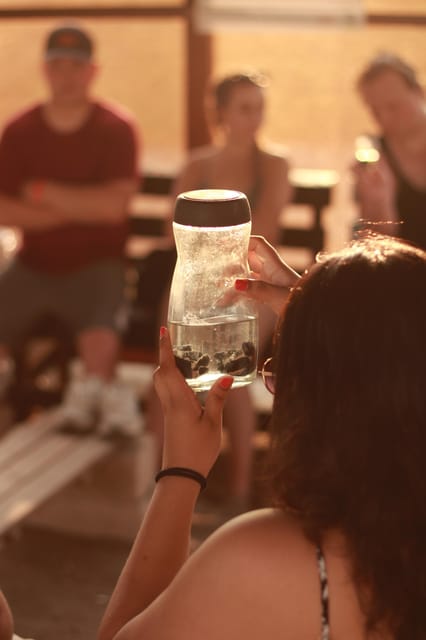
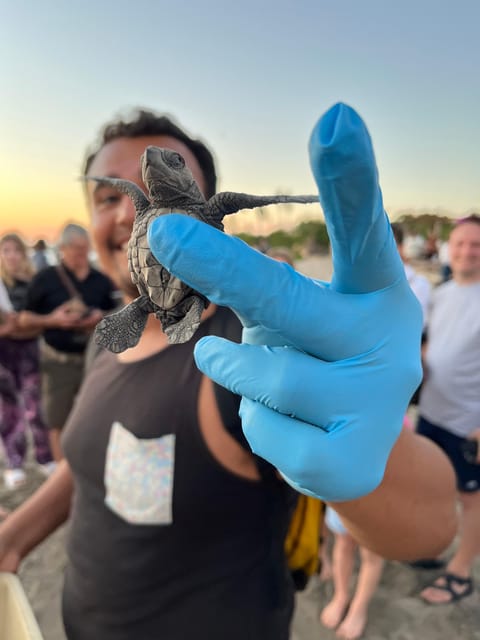
At the end, you participate in the baby turtle release. This is the “do something” part of the tour, where your hands-off learning becomes action.
The release is built around safety and coordination. You are guided through the process so each participant can participate properly and then watch the hatchlings make their way to the ocean. Many people also take a personal moment here, like naming a hatchling and making a wish or prayer before letting it go, because the guides support the emotional meaning of what you are doing.
Two important considerations:
- If no turtles hatch on your reserved date, you can reschedule or cancel. So book earlier in your trip if you want options.
- The tour is not designed for everyone physically. People with mobility impairments, wheelchair users, and those with certain health issues are listed as not suitable, and the format includes walking and outdoor time.
What’s Included, and What You Should Expect on the Photo Side
You get a guide, the turtle release experience, and a demonstration of nest and egg collection. Water is included, which is a big deal in warm outdoor conditions. You also get photos.
In practice, the photography is tied to a photographer on site. One past group noted that photos were provided through a link and that the cost for keeping them may be handled separately depending on what you want. So treat it like this: you will get a set of photos taken for you, and you may have choices about how you receive and keep them.
Either way, it is worth knowing you are not expected to be constantly filming with your phone. A photographer approach keeps you present, which is exactly what you want during a hatchling release.
Price and Value: Why $40 Works Here
At $40 per person for about 2.5 hours, this is not a cheap impulse add-on, but it also does not feel overpriced for what you actually get.
You are paying for:
- A guided conservation lesson and demonstration (not just a viewing)
- Active participation in the release of baby turtles
- Water
- Photos
- A day structured around conservation outcomes
Most importantly, your money supports real work protecting endangered turtles. You are not paying for a photo op. You are paying for an experience that teaches you, then turns that knowledge into a conservation moment you help make possible.
I think that is the key to the value. If you want souvenirs, there are cheaper ways. If you want a meaningful “I learned something real and did something real” evening, this fits.
What to Bring: Small Prep Choices Make a Big Difference
Do not show up underprepared. This is outdoors and close to wildlife conservation work.
Bring:
- Biodegradable sunscreen
- Comfortable clothes
- Insect repellent
For timing, the tour length is short enough to keep it doable, but long enough that insects, heat, and sun can take over if you ignore the basics.
Also note what is not allowed: drones, alcohol, and drugs. Keep it simple and respectful, and you will blend in better with a group focused on careful conservation work.
Practical Comfort Notes: The Area Is Wild, Not a Hotel
A couple of comfort notes came up from previous participants. One person flagged that the restroom setup in the area was basic, with port-a-potty doors that were broken and no toilet paper available.
That does not mean you will have a bad time. It just means you should treat this as a conservation camp day, not a resort day. If restrooms matter to you, plan ahead. I would also keep an eye on trash around the beach and report concerns to staff if you notice anything that could affect the area where turtles travel.
Weather can also change plans. One group had stormy conditions that eventually passed, and they still saw the sunset and hatchling movement. So pack with flexibility, and keep your mood steady if clouds roll in.
Who This Tour Is Best For
This is ideal if you:
- Want a hands-on conservation experience tied to a real endangered species
- Like learning in plain language and then seeing the result immediately
- Are comfortable walking outdoors and spending time on sand and uneven ground
It is also a strong pick for families with kids old enough to participate. Kids under 5 do not have to pay, but they can only observe the release, not participate. That aligns with the idea that the release moment is for people who can handle the walking and the active participation.
It is not a good fit if you:
- Use a wheelchair or have mobility limitations
- Have respiratory issues, animal allergies, or certain health concerns like high blood pressure
- Have low fitness for outdoor walking
- Need a fully indoor or fully cushioned experience
If you fall into any of those categories, it is worth checking with the operator before you commit.
Should You Book This Baby Turtle Release Tour?
Book it if you want your Puerto Vallarta trip to include something that changes how you think, not just how you post. The education portion, the conservation work you see up close, and the sunset release moment all connect into one evening. If olive ridley turtles are part of your nature bucket list, this is one of the most meaningful ways to engage with that goal.
Skip it, or at least rethink timing, if you are not flexible about the hatch outcome. The experience depends on babies hatching that day, and the tour offers a reschedule or cancellation option if nothing hatches.
My bottom line: if you can handle a short walk, bring bug spray, and want an evening with a purpose, this is the kind of Puerto Vallarta activity that sticks with you long after the tan fades.
FAQ
How long is the Puerto Vallarta baby turtle release experience?
The tour lasts about 2.5 hours.
What is the price per person?
It costs $40 per person.
Where do I meet the guide?
The meeting point is at the end of Paseo Bocanegra street. The best access is through the Marina Vallarta area, via Albatros street until you cross Paseo Bocanegra street, then go straight ahead to the end.
Is transportation included?
No. Transportation is not included, so you’ll need to arrange how you get to the meeting point and back.
How much walking is involved?
You walk about 15 minutes to get to the conservation area, and then about 15 minutes back afterward.
Can children participate?
Children under 5 do not have to pay, but they can only observe the turtle release without participating. The activity is also marked as not suitable for children under 5, so check in if that age is in your group.
What should I bring?
Bring biodegradable sunscreen, comfortable clothes, and insect repellent.
What is not allowed during the tour?
Drones, alcohol, and drugs are not allowed.
What happens if no turtles hatch on the day of my reservation?
If no turtles hatch on your scheduled day, you can reschedule or cancel.
Are photos included?
Yes. Photos are included as part of the experience.
Just added around Puerto Vallarta
- Jungle Single ATV Tour “El Mirador”★ 5.0 · 59 reviews
- Jungle double ATV Tour “El Mirador” (ride tandem on ATV)★ 5.0 · 21 reviews
- Bucerias Cultural Day Tour: Local Artisans, Handcrafts and Mexican Lunch★ 5.0 · 278 reviews
- Heartland Traditions Tour★ 5.0 · 48 reviews
- Bucerias Bike and Food Tour★ 5.0 · 173 reviews
- Sunset and Bioluminescence Boat Tour at Los Arcos Islands★ 4.6 · 22 reviews
- Sayulita/Punta Mita: Zip Lines with Ocean View★ 4.8 · 34 reviews
- Puerto Vallarta: Yelapa Mega Yacht Cruise★ 4.7 · 180 reviews
Sea Turtle Encounters, compared.
Half-Day Sea Turtle and Cenote Snorkeling Tour from Cancun & Riviera Maya
Read our review →
Tulum Ruins, Turtles in Akumal and Cenote tour
Read our review →
5-in-1 Cancun Snorkeling: Turtles, Reef, Musa, Shipwreck, Cenote
Read our review →
Hidden Cenote Swim: Snorkeling, Sea Turtles and Beachside Lunch
Read our review →
Full Day Tulum Ruins Tour Cenote and Swimming with Sea Turtles
Read our review →
With Turtles, Shipwreck, Cenote, and Reef and Transport Included
Read our review →
4 Hour Cozumel Turtle Sanctuary Experience on a Luxury Catamarán
Read our review →Browse the lists this tour appears in