
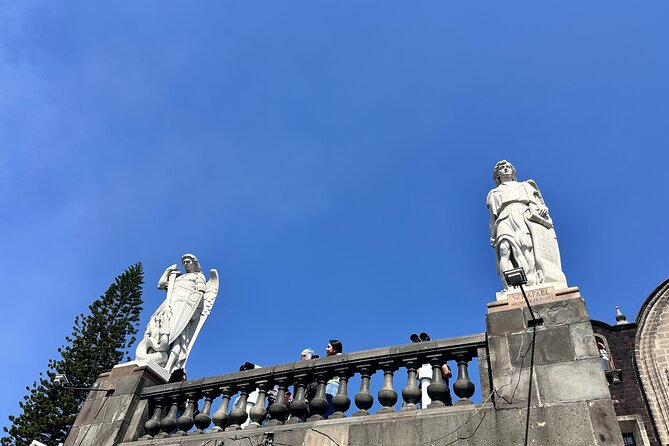
Reviewed · BASILICA OF GUADALUPE & SHRINE TOURS
Private tour of the basilica of Guadalupe with Guadalupano museum
Tepeyac is more than a stop, it is a feeling. This private tour pairs a deep look at the Guadalupano code with time across the major basilicas and chapels on Mount Tepeyac. I love how guides like Diego (and also María) bring calm focus, with clear English and Spanish explanations that make the complex easier to understand.
My second favorite part is the pacing. You do not just peek and go, you work your way up through key spots like the Cerrito chapel for wide Mexico City views, then finish at the quieter corners like the Holy Water chapel. One drawback to plan for: the experience covers several levels and stops in about 2.5 hours, so if you need frequent breaks, go in knowing you will be doing a bit of walking and stair climbing.
In This Review
- Key Things You Will Notice on This Private Guadalupe Tour
- Entering the Complex with Context, Not Just Photos
- Basilica of Our Lady of Guadalupe: New and First Basilicas, in Plain Terms
- The Tepeyac Hill Climb: Miracles, Gardens, and Real Views
- La Ofrenda Waterfalls and the Smaller Chapels That Close the Story
- How the Guadalupano Museum Slot Works (And How to Use It Well)
- Price and Value: Is $32.31 a Fair Deal?
- Who Should Book This Private Guadalupe Tour?
- Final Call: Should You Book This One?
- FAQ
- How long is the private tour?
- Where does the tour meet?
- What is included in the tour price?
- Can I visit the Guadalupano Museum during or after the tour?
- Can we ask for time to hear Mass?
- Is private transportation included?
- Is free cancellation available?
Key Things You Will Notice on This Private Guadalupe Tour
- Guadalupano code explained up front, so the symbols feel meaningful, not random
- Two basilicas plus the Tepeyac hill loop, not just one building photo stop
- Cerrito chapel viewpoints, tied to the story of Juan Diego’s miraculous flowers
- La Ofrenda with two waterfalls, a striking artistic stop before you wind down
- Optional Mass time, if your schedule and the complex’s flow allow it
- Guadalupano Museum time after, so you can browse at your own pace
Entering the Complex with Context, Not Just Photos
The Guadalupe complex can feel overwhelming if you show up cold. This is why the start matters. You meet at the monumental statue of Saint John Paul II (Fray Juan de Zumárraga No. 2), then your guide kicks things off with an expert explanation of the Guadalupano code. That sets a framework for what you are seeing later, especially if you are not fluent in local religious history or symbolism.
From there, you follow a route designed to connect the story from 1531 onward to the chapels, gardens, and architectural changes on site. I like this approach because it turns a big religious landmark into a guided narrative. You are less likely to miss details that explain what you are looking at and why it matters.
The tour is also private, meaning it is only your group. That usually helps with pace and questions, especially when you want to stop, look closer, or ask why a place looks the way it does.
Backup plans for Mexico City
- Teotihuacan, Guadalupe Shrine & Tlatelolco Day Tour with Lunch
★ 5.0 · 11,603 reviews - Mexico City: Teotihuacan & Guadalupe Shrine Tour with Lunch
★ 4.7 · 4,465 reviews - Mexico City: Teotihuacan, Tlatelolco & Basilica of Guadalupe
★ 4.7 · 975 reviews
Basilica of Our Lady of Guadalupe: New and First Basilicas, in Plain Terms
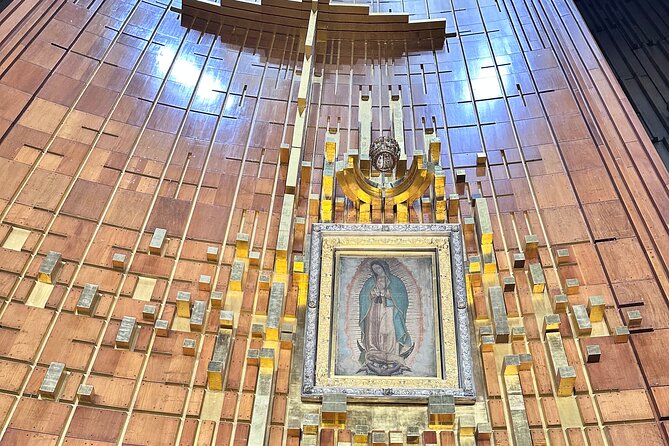
You begin at the heart of it all: the Basilica of Our Lady of Guadalupe. The route takes you through the new basilica, where the original image from 1531 is located. This is the centerpiece most people come for, and the guide helps you understand what you are viewing beyond the obvious.
You then move on to the first basilica. That shift is important. The complex is not one single building with one single era. It is layered, and the older basilica gives you a sense of how the devotion grew and how the site evolved to meet that devotion.
If you care about architecture, ceremony, and how faith shapes public space, this part is worth your attention. The best moments tend to be the in-between ones, when you pause inside a chapel or hallway and your guide connects a design choice to the story.
And if you are sensitive to the atmosphere of active worship spaces, you will appreciate the guide’s tone. Several comments highlight how guides stayed attentive and respectful throughout, keeping the visit comfortable.
The Tepeyac Hill Climb: Miracles, Gardens, and Real Views
After the basilicas, you climb Tepeyac. This section is where the tour stops feeling like indoor sightseeing and starts feeling like walking through the geography of the legend.
You will see the source area connected to the miracle story, and you will also visit the garden dedicated to Christ the King. These gardens and outdoor stops can be surprisingly calming compared with the bustle people expect at a major shrine.
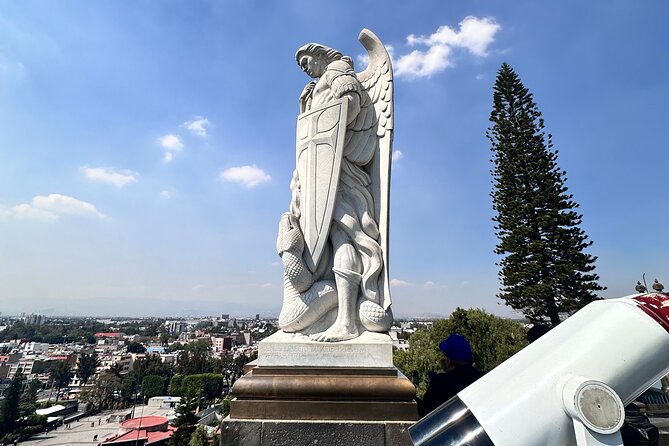
Then comes Cerrito. At the top, you visit the chapel of Cerrito, where the view over Mexico City is a major payoff. The guide connects this spot to the story of Juan Diego recognizing the miraculous flowers on his mantle. Even if you already know the general narrative, hearing it tied to the physical layout helps it land differently.
One practical consideration: this is not a “sit and watch” tour. The hill portion is part of the experience because it links story and setting. If you have mobility limits, plan to let the guide know early so they can pace you and build in sensible pauses.
La Ofrenda Waterfalls and the Smaller Chapels That Close the Story
Mid-route, you stop at La Ofrenda, a monumental sculpture featuring two waterfalls. It is a visual break from the architecture and a reminder that the complex is not only about buildings. It is also about art, atmosphere, and how people experience devotion with all their senses.
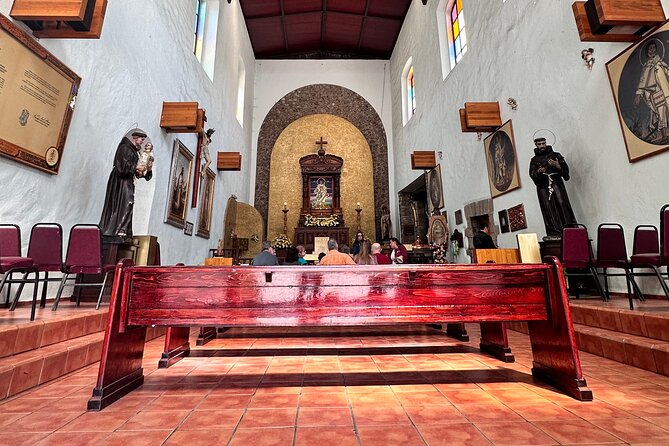
From there, you wind down with smaller spiritual stops that many visitors remember more than they expect. You finish at the small chapel dedicated to Holy Water and visit the first Catholic temple built in honor of the Virgin of Guadalupe. These last moments tend to feel quieter and more reflective. If you like ending a tour with a sense of calm rather than sprinting to the exit, this structure works.
You will also have an opportunity to purchase religious items to bring for blessings, if you want that. And you can ask for time to hear Mass during the visit. The complex is active, so on certain days you may find services in progress, which adds a real-life feeling to the schedule.
Close by, worth a second look:
- Xochimilco, Coyoacan and Frida Kahlo with Optional Lunch
★ 4.5 · 7,320 reviews - Balloon flight + Breakfast in cave + Pyramids + Pick up CDMX.
★ 5.0 · 6,335 reviews - Teotihuacan pyramids morning or afternoon without tourist traps
★ 5.0 · 6,186 reviews - Teotihuacan Early Access Guided Tour with optional Lunch
★ 4.5 · 6,138 reviews
How the Guadalupano Museum Slot Works (And How to Use It Well)
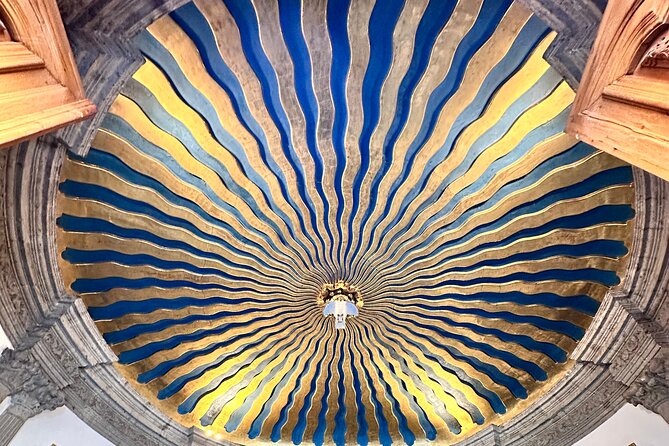
After the main religious complex tour, you can request tickets to enter the Guadalupano Museum and visit it at your own pace. The key detail here is that it is not forced. You are not rushed through exhibits by a clock.
That makes it a good add-on if you want depth without losing the main emotional focus of the basilica experience. It is also helpful if your group has mixed interests. One person might want more time near the chapels, while another wants museum content right away.
Because the museum time depends on you requesting tickets, I would treat it as an optional bonus you can plan around. Ask when you book how museum access works for your date, especially if you are trying to match opening hours.
Price and Value: Is $32.31 a Fair Deal?
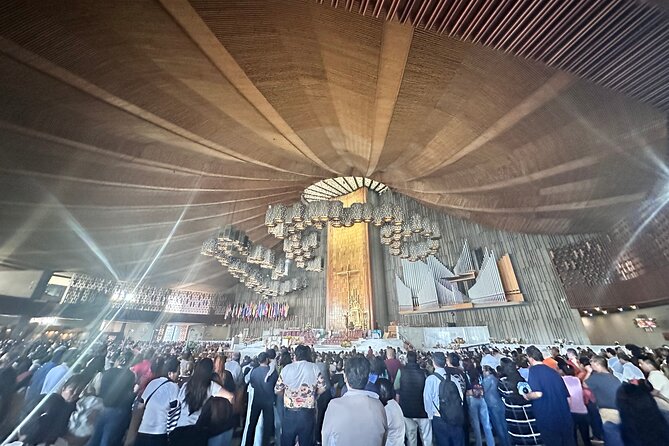
At $32.31 per person, this tour is priced like a strong value for a private, guided visit that lasts about 2 hours 30 minutes. You are paying for more than someone walking you around. You are paying for an expert-led explanation of the Guadalupano code, plus a route that hits the major basilicas, the Tepeyac hill highlights, Cerrito, and the key chapels.
What’s included is also practical: bottled water and a snack bag. That sounds minor, but it matters on a longer, multi-stop religious complex visit. Several comments also emphasize guide attentiveness, including comfort needs like restroom stops and water.
Lunch is not included, so come ready to snack or plan food afterward. Also, private transportation is not included, though you can request it for an extra cost. If you are using public transport, the meeting point is near public transportation, which helps.
Overall, I see the value here as guided clarity. When you understand what you are looking at, even a short visit feels fuller.
Who Should Book This Private Guadalupe Tour?
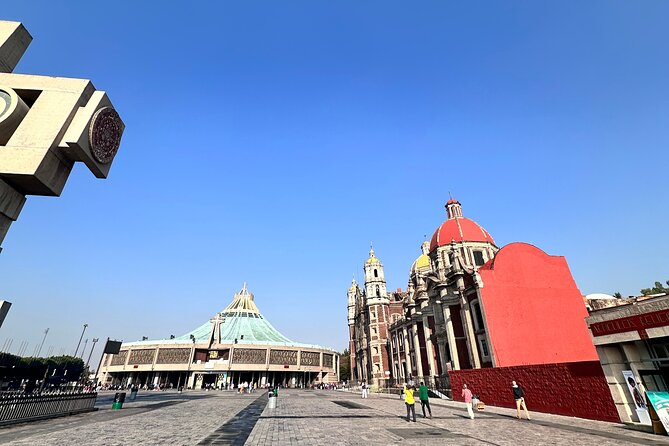
This tour fits best if you want:
- A guided story, not a checklist
- English and Spanish explanations, with guides like Diego known for clarity
- Time across multiple chapels and basilicas, including Cerrito viewpoints
- A pace that feels tailored to your group, since it is private
It is also a good pick for Catholic travelers who want meaning, not just architecture. And it works for history-minded visitors who like connecting faith to place, especially the Juan Diego narrative tied to specific stops.
If you are visiting Mexico City for the first time and Guadalupe is on your must-do list, this kind of focused route prevents the common problem of walking through a major shrine without knowing what matters most.
Final Call: Should You Book This One?
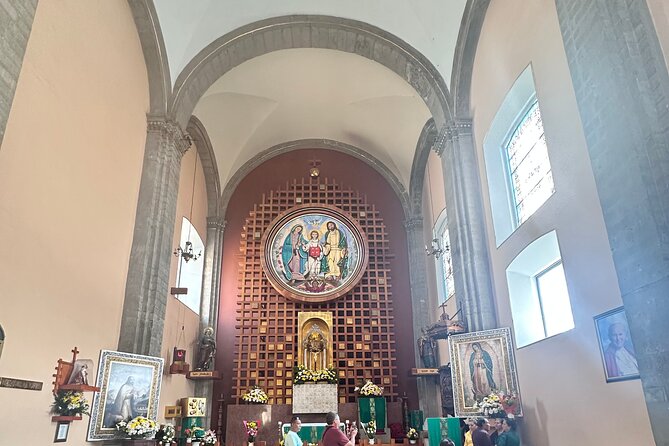
I would book it if you want Guadalupe to make sense fast. The Guadalupano code explanation, the mix of basilicas plus Tepeyac hill stops, and the option to add Guadalupano Museum time after are a smart combination for a relatively short day window.
Skip it or rethink the fit if your group hates walking or wants a slower, shorter route with minimal movement. In that case, you might ask the provider about adjusting pace, but the route itself is built around moving through the complex.
If you are curious, respectful, and ready to follow a guide’s plan, this is a solid choice.
FAQ
How long is the private tour?
It runs for about 2 hours 30 minutes.
Where does the tour meet?
You start at the Basilica of Our Lady of Guadalupe, Fray Juan de Zumárraga No. 2, Villa Gustavo A. Madero, Gustavo A. Madero, 07050 Ciudad de México, CDMX, Mexico.
What is included in the tour price?
The tour includes bottled water and a snack bag.
Can I visit the Guadalupano Museum during or after the tour?
Yes. After the main visit, you can request tickets to enter the Guadalupano Museum and explore at your own pace.
Can we ask for time to hear Mass?
Yes. If you wish, you can ask for time to hear Mass.
Is private transportation included?
No. Private transportation is not included, but you can request it for an extra cost.
Is free cancellation available?
Yes. You can cancel for a full refund up to 24 hours before the experience starts. If you cancel within 24 hours, you do not get a refund.
Just added around Mexico City
- Museum of Anthropology: a look at Mexico’s past★ 5.0 · 52 reviews
- Xochimilco BOAT LIGHT PARTY WITH 1 DRINK AND 4 TAQUITOES + 18★ 4.5 · 26 reviews
- Bike Tour in Mexico City★ 5.0 · 45 reviews
- Small Groups: Xochimilco and Coyoacan★ 4.0 · 37 reviews
- Riding Boats +Warm Mex Food+ Frida Kahlo’s neighborhood (private)★ 4.5 · 29 reviews
- Xochimilco, Coyoacan, Aztec Stadium & UNAM★ 4.0 · 232 reviews
- Xochimilco & Coyoacán Private Tour: Canals, Markets & Local Food★ 5.0 · 58 reviews
- Xochimilco Magic: Culture, Canals & Mezcal, 3hr boat adventure!★ 5.0 · 43 reviews
Basilica of Guadalupe & Shrine Tours, compared.
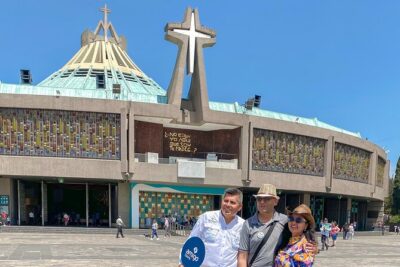
Teotihuacan, Guadalupe Shrine & Tlatelolco Day Tour with Lunch
Read our review →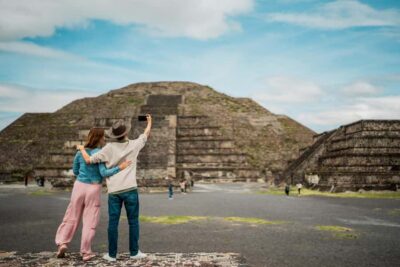
Teotihuacan & Guadalupe Shrine Tour with Lunch
Read our review →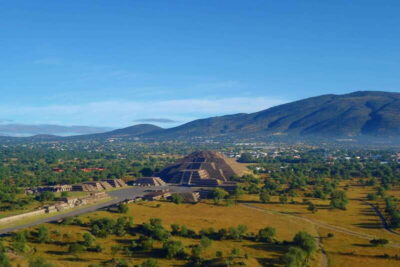
Teotihuacan, Tlatelolco & Basilica of Guadalupe
Read our review →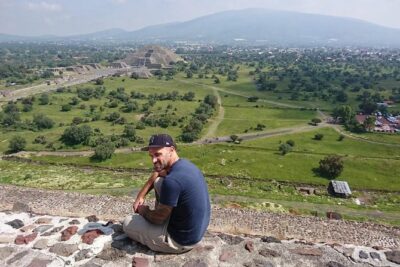
Private Tour: Teotihuacan and Guadalupe Shrine
Read our review →
Teotihuacan Tour with Basilica of Guadalupe & Tlatelolco
Read our review →
Pyramids of Teotihuacan, Guadalupe Shrine & Tlatelolco Tour
Read our review →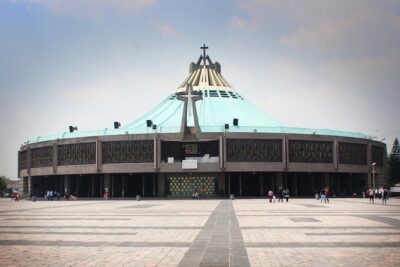
Teotihuacan & Basilica Guadalupe Tour with lunch
Read our review →
Browse the lists this tour appears in