
Reviewed · CITY TOURS
Mexico City: Ticket de entrada Museo Memoria y Tolerancia
History has teeth in Mexico City. The Museo Memoria y Tolerancia uses 43 rooms and an audio guide to turn history into a walk you can’t forget, focused on the Holocaust and other genocide crimes against humanity. The museum is built to explain how indifference, discrimination, and violence start, and how tolerance can act as a counterweight.
I like that you’re not just reading names and dates. You get more than 1,200 objects and documents spread across the permanent exhibition, plus audiovisual pieces, which makes the message land in a more human way. Another thing I love is the mix of hard evidence and art installations by major artists, including works that invite you to physically interact and think.
One thing to consider: the permanent exhibitions are recommended for children older than 15, and younger kids need adult accompaniment. If you’re visiting with teens or adults who want to process difficult material at their own pace, this is a strong fit. If you’re expecting a light, casual museum stop, you might find the subject matter heavy.
In This Review
- Key highlights worth planning around
- Price and value for a one-day museum visit near Plaza Juarez
- Finding the museum and getting oriented fast
- The audio guide in Spanish and English: your best tool for understanding
- Permanent exhibitions: 43 rooms that teach by evidence and emotion
- A practical tip for pace
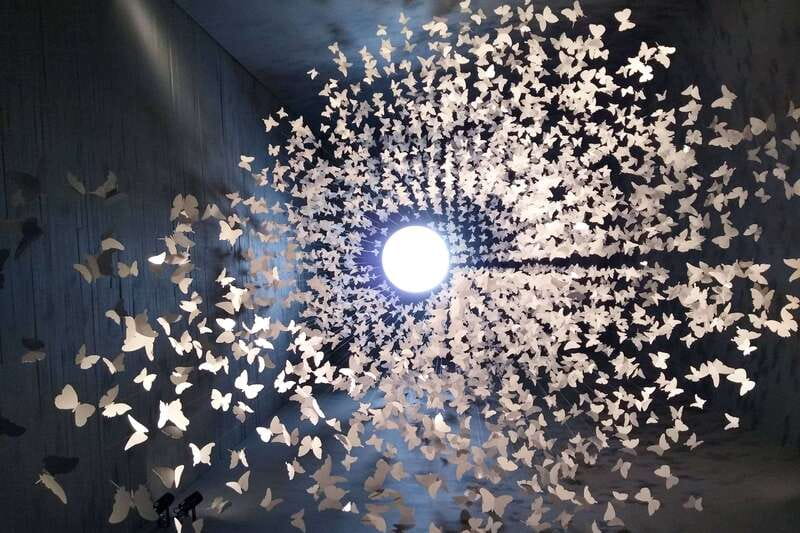
- Don’t miss these installations and the artifacts that make the message physical
- Jan Hendrix: Lost Potential and Cube
- Metronomes by Lozano-Hemmer
- Interactive works by Jorge Marin and Rivelino
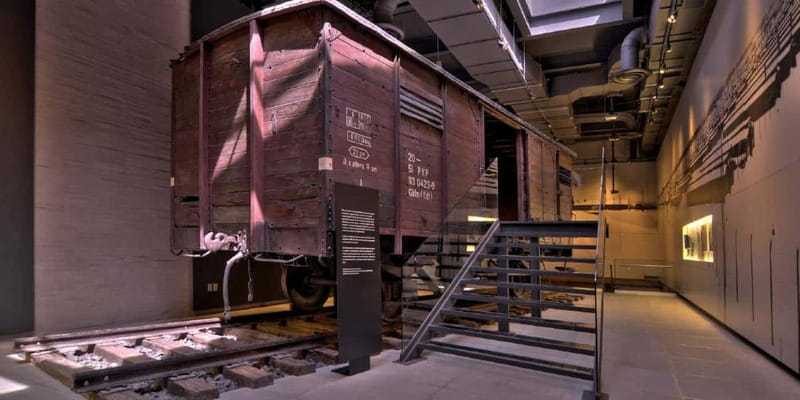
- The WWII train wagon and the Berlin Wall fragment
- Non-Violence Project by Carl Fredrik Reuterswärd
- Temporary exhibitions: why they are worth your time too
- What the museum is really trying to get across: tolerance as action
- Best way to plan your day so you do not burn out
- Food and what you can bring
- Who should book this ticket
- A quick note on seriousness and emotional tone
- Should you book the Museo Memoria y Tolerancia ticket?
Key highlights worth planning around
- 43-room permanent exhibition focused on the Holocaust and other crimes against humanity
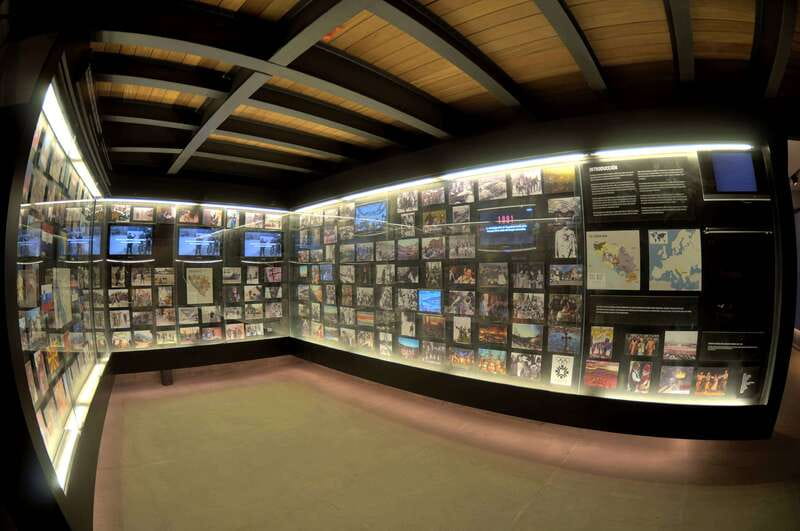
- 1,200+ objects and documents, plus audiovisual content for context and perspective
- Interactive installations like Wings of Peace and YOU that make you slow down
- Art + artifacts mix, including a WWII prisoner transport train wagon and Berlin Wall fragment
- Temporary exhibitions included, so your visit can feel fresh instead of repetitive
Price and value for a one-day museum visit near Plaza Juarez
At about $13 per person for a 1-day ticket, this museum is priced like a serious cultural site, not a budget quick stop. What makes it good value is the scale. You’re not just buying entry to a single exhibit, you’re getting access to a large permanent collection organized across 43 rooms, plus temporary exhibitions.
Also, you’re not stuck figuring everything out on your own. The ticket includes an audio guide in Spanish and English, which helps you get context fast and stay oriented as you move room to room. When a museum is this content-heavy, language support is a practical win.
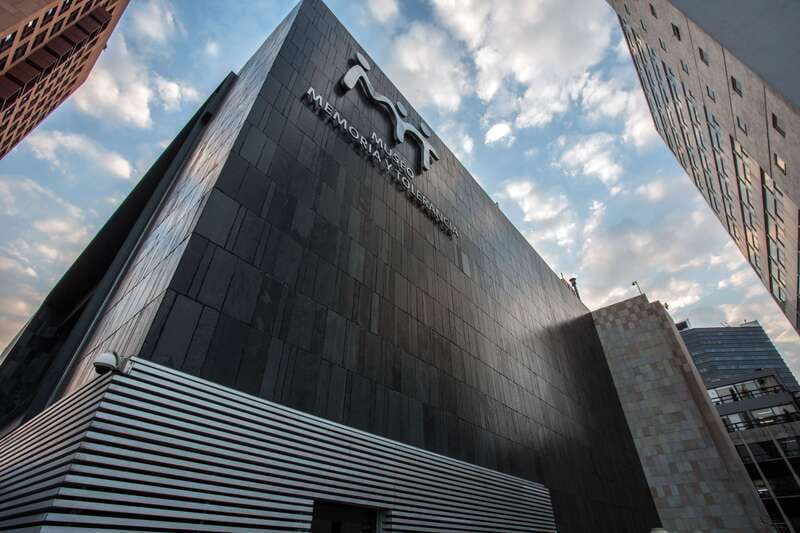
Finally, remember this is downtown Mexico City, right by Plaza Juarez, near the Secretaría de Relaciones Exteriores and in front of the Hemicycle to Juárez. That makes it easy to pair with other sights on the same day, without needing special transit planning.
Backup plans for Mexico City
- Teotihuacan, Guadalupe Shrine & Tlatelolco Day Tour with Lunch
★ 5.0 · 11,603 reviews - Xochimilco, Coyoacan and Frida Kahlo with Optional Lunch
★ 4.5 · 7,320 reviews - Balloon flight + Breakfast in cave + Pyramids + Pick up CDMX.
★ 5.0 · 6,335 reviews
Finding the museum and getting oriented fast
Start by aiming for Plaza Juarez. The museum sits in a very central, easy-to-navigate pocket of downtown, next to the government building and directly in front of the Hemicycle to Juárez.
Once you arrive, give yourself a few minutes to collect your bearings before you rush into the permanent galleries. This isn’t a museum you should speed through. The design encourages reflection, and the best experience comes when you let each room settle in.
If you’re traveling with limited time, still plan for a full, unhurried pass through the permanent exhibition. With more than 1,200 objects and documents, the museum quickly turns into a choose-your-own-focus experience, even if you’re trying to see everything.
The audio guide in Spanish and English: your best tool for understanding
The included audio guide is a key part of why this ticket works so well for most visitors. You can match the pace of your day to your comfort level with the material, and you can switch between Spanish and English without feeling lost.
I’d treat the audio guide like a roadmap, not a lecture. Listen long enough to understand why a room exists, then spend time looking at the documents or installations yourself. That rhythm is where the museum’s mission really comes through: awareness through historical memory, not just information overload.
Also, because the museum’s focus includes multiple genocides beyond the Holocaust, the guide helps you connect the threads. It’s easier to see the patterns the museum is warning you about when you hear the context right where the exhibits are.
Permanent exhibitions: 43 rooms that teach by evidence and emotion
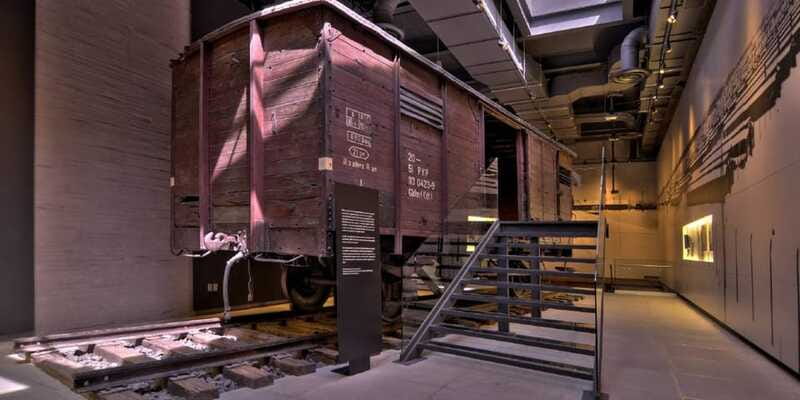
The permanent exhibition is the heart of the ticket. It covers the Holocaust and other crimes against humanity, including the Armenian genocides, Rwanda, Guatemala, Cambodia, Darfur, and Yugoslavia. The overall goal is to warn you about the danger of indifference, discrimination, and violence, while pushing tolerance and a culture of peace.
What makes the museum powerful is the structure: 43 rooms means the story is broken into manageable sections. You’re not asked to absorb everything in one sitting. Instead, you move through themed spaces that combine objects, documents, and audiovisual pieces.
If you like museums that feel like they’re making an argument, you’ll appreciate how consistent the message is from room to room. It’s also why this museum is described as an international benchmark: it pairs direct historical content with contemporary art and design choices that force reflection.
Close by, worth a second look:
- Teotihuacan pyramids morning or afternoon without tourist traps
★ 5.0 · 6,186 reviews - Teotihuacan Early Access Guided Tour with optional Lunch
★ 4.5 · 6,138 reviews - Balloon flight + pick up in CDMX + Breakfast in Cave + Pyramids
★ 5.0 · 5,651 reviews - Mexico City: Teotihuacan & Guadalupe Shrine Tour with Lunch
★ 4.7 · 4,465 reviews
A practical tip for pace
Plan to spend real time in each room where you see a major installation or a strong historical display. If you move too quickly, you’ll miss the way the museum layers meaning. Give yourself a break when you need one, even if it’s just stepping out of a gallery momentarily.
Don’t miss these installations and the artifacts that make the message physical
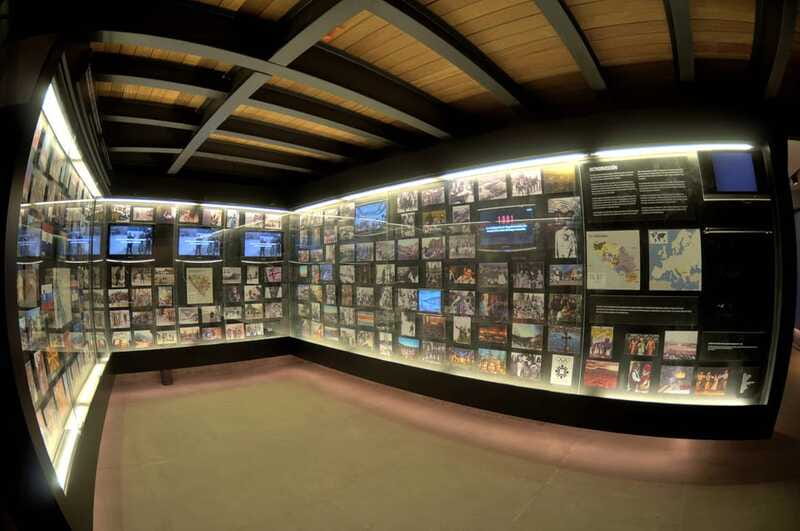
The museum isn’t only about reading. It’s also about seeing how artists translate memory into form. The installations are placed so they interrupt the flow in a purposeful way, helping you process what you’ve just seen.
Here are some highlights to look for as you move through the permanent exhibition:
Jan Hendrix: Lost Potential and Cube
You’ll find major works by sculptor Jan Hendrix, including Lost Potential and Cube. I like these because they feel like they’re asking you to notice what’s missing, not just what’s documented. Their presence adds an emotional layer to the historical sections.
Metronomes by Lozano-Hemmer
The metronomes installation by Lozano-Hemmer brings a rhythmic, almost mechanical presence into the museum spaces. That kind of timed, patterned art tends to make you feel time passing, which matters when the exhibits are focused on events shaped by choices and escalation.
Interactive works by Jorge Marin and Rivelino
Two interactive sculptures are especially worth your attention. The Wings of Peace by Jorge Marin is sculptural and interactive, and YOU by Rivelino is also sculptural and interactive.
These are the pieces where you can’t be passive. The museum’s message about tolerance lands better when you physically engage and slow down. If you’re the type who likes to understand how art communicates, don’t treat these as side attractions. Make them part of the core route through the permanent exhibition.
The WWII train wagon and the Berlin Wall fragment
Some artifacts are almost impossible to think about without feeling the weight of history.
You can see a train wagon used in World War II for the transfer of prisoners. You can also view a Fragment of the Berlin Wall. These are the kinds of objects that turn abstract ideas into something immediate, because they connect directly to human movements and forced separation.
When these appear in your route, I recommend pausing longer than you think you need. You’re not just looking at a display, you’re standing in front of evidence of how societies behaved under extreme conditions.
Non-Violence Project by Carl Fredrik Reuterswärd
The Non-Violence Project sculpture by Carl Fredrik Reuterswärd is another stop that balances the museum’s heavy content with a forward-looking idea. The point is not to turn history into despair. It’s to make non-violence feel like a choice people can practice.
Temporary exhibitions: why they are worth your time too
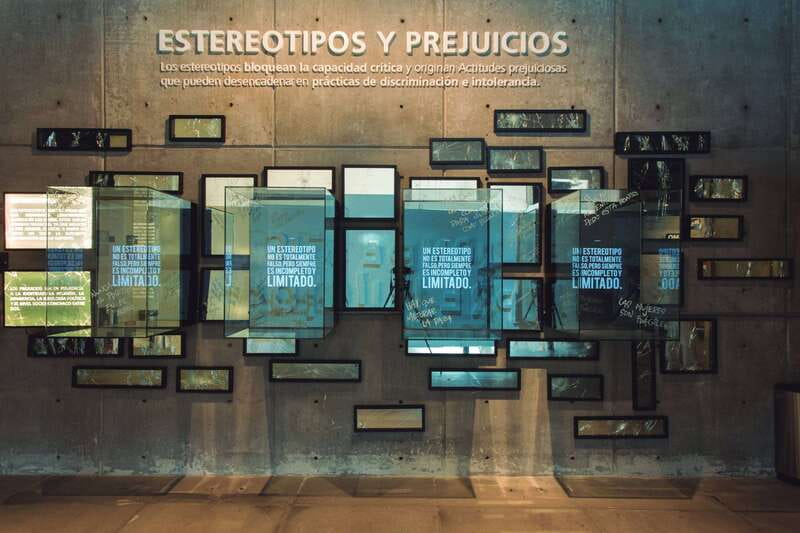
Your ticket doesn’t only cover the permanent collection. It also includes access to temporary exhibitions, which matters because it changes the feel of the day.
A permanent exhibition can become a single long theme, and that’s good, but the museum also wants you to engage with what’s happening around the message now. Temporary exhibits help you reconnect tolerance and human rights ideas to the present moment.
You might find that the temporary displays give you language for what you’re feeling after the permanent rooms. That’s a nice payoff after a difficult subject matter course.
What the museum is really trying to get across: tolerance as action
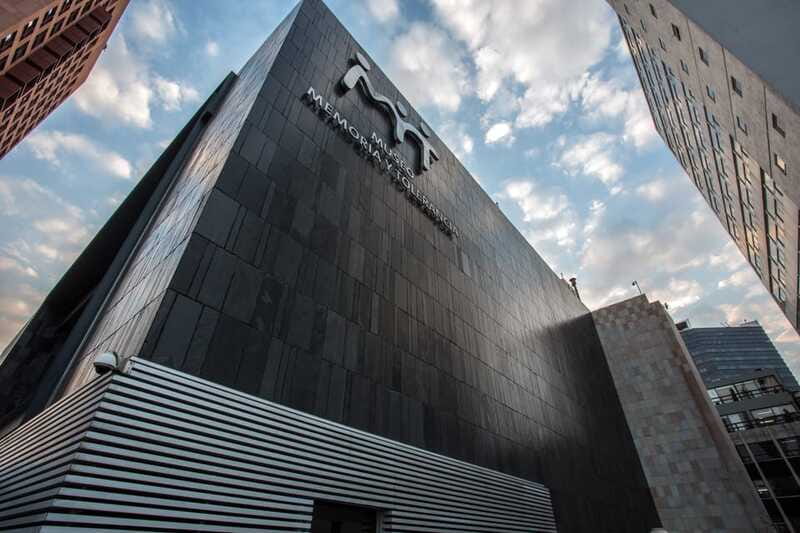
The museum’s mission is clear: create awareness through historical memory and use that awareness to warn you about indifference, discrimination, and violence. It also pushes respect for human rights and social action, not just remembrance.
So when you’re walking room to room, try to watch for the museum’s implied question: what would allow cruelty to spread in ordinary society? The Holocaust is central, but the museum also folds in other genocides and crimes against humanity to show how patterns repeat when people stop caring or stop resisting.
This is also why the art matters. The installations are not decorative. They’re there to make you feel the logic of the message, not just understand it intellectually.
Best way to plan your day so you do not burn out
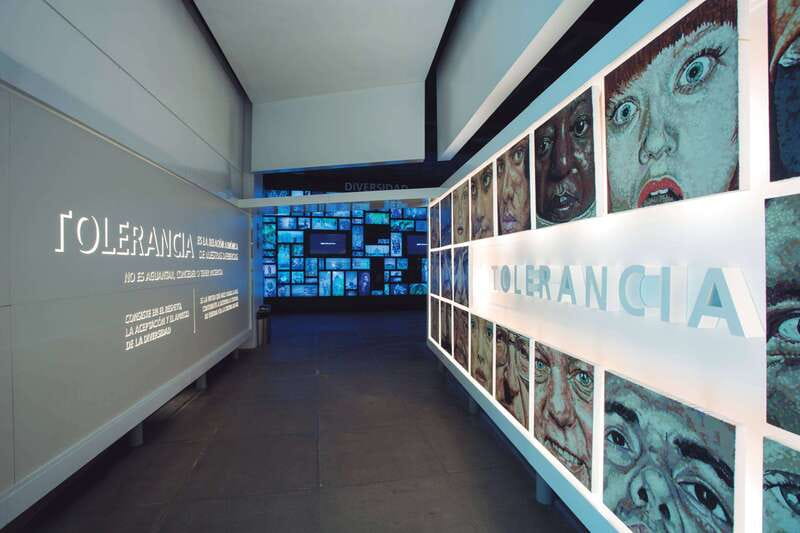
This is a 1-day visit. That doesn’t mean rush. The permanent exhibition is designed for slower thinking, and the subject matter can stack up quickly.
Here’s how to make it work:
- Start with the audio guide so you know where you are going.
- Choose a realistic pace. If a room overwhelms you, spend less time there and move on rather than forcing it.
- Save your energy for the interactive pieces and the major artifacts, because those are the most likely to keep your attention.
If you tend to get overloaded in museums, consider setting a personal rule like, one main room with full attention, then one room with lighter attention. This helps you keep moving without losing the impact.
Food and what you can bring
You can’t bring food and drinks into the museum. So plan to eat before you go or after you finish.
This rule also affects pacing. If you’re the kind of visitor who needs a snack break every hour, you might find the long route feels harder. In that case, plan a proper lunch nearby and keep your museum time focused.
Who should book this ticket
This is a great fit if you want history that is organized, specific, and paired with art and symbolism. You’ll like it if you prefer museums that make you think and reflect instead of only collecting facts.
It’s also a strong choice if you care about themes like tolerance, human rights, and the dangers of discrimination and violence. The museum’s structure is built around those ideas from the first rooms to the final installations.
Family note: the permanent exhibitions are recommended for children older than 15. Kids younger than 15 need to be accompanied by an adult. If your group fits the recommended age range, the visit can be meaningful in a serious, age-appropriate way.
A quick note on seriousness and emotional tone
This museum deals with genocide and crimes against humanity. Even if you come in expecting education, you should come prepared for emotion.
The good news is the museum doesn’t treat emotion as a distraction. It uses art, architecture, documents, and installations to help you understand memory as something active. If you want a museum day that feels purposeful, this is one of those rare places.
Should you book the Museo Memoria y Tolerancia ticket?
Book it if you want a high-value, one-day visit that pairs Holocaust and genocide history with thoughtful art installations, interactive pieces, and a built-in Spanish and English audio guide. The price is modest for the amount of content: 43 rooms and 1,200+ objects and documents is a lot to absorb.
Skip it if you want a casual museum afternoon or if you’re traveling with younger kids who may struggle with the permanent exhibitions. The subject matter is serious, and the museum’s design asks you to slow down.
If you’re looking for an experience that connects historical memory to the idea of tolerance as action, this is a very solid choice.
Just added around Mexico City
- The Real Mexico City: Under the skin of CDMX★ 5.0 · 21 reviews
- Teotihuacan Pyramids: Guided Tour with Entry Ticket Included★ 4.1 · 45 reviews
- Teotihuacan: Private Tour with Archeologist & Hotel Pick-up★ 4.2 · 164 reviews
- Teotihuacan, Guadalupe, Xochimilco Coyoacan & Frida Kahlo★ 4.0 · 27 reviews
- Soumaya: the greatness of Mexican & western art.★ 4.9 · 26 reviews
- From Mexico City: Puebla and Cholula Day Tour★ 4.2 · 194 reviews
- National Museum of Anthropology: a journey into Mexico’s past – English lang.★ 4.8 · 26 reviews
- Nevado De Toluca: Reach the Summit with Professionals★ 4.8 · 250 reviews
City Tours, compared.
Teotihuacan & Guadalupe Shrine Tour with Lunch
Read our review →
Teotihuacan Hot Air Balloon Flight from Mexico City / Volare
Read our review →
Teotihuacan Early Access Tour & Optional Lunch
Read our review →

The best tour to Teotihuacán from Mexico City
Read our review →
Browse the lists this tour appears in