
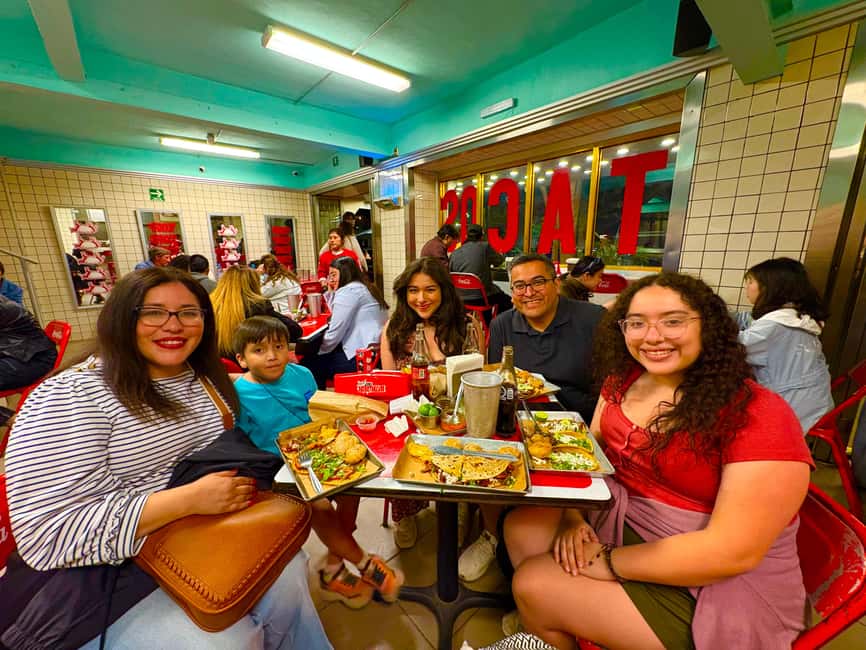
Reviewed · WALKING TOURS
Mexico City: Roma and Condesa Neighborhoods Walking Tour
Forget the checklist, follow the neighborhoods. This 3-hour Roma and Condesa walking tour gets you oriented fast with architecture, street art, and local food pointers. I love how the route mixes parks and markets with low-profile art galleries and design shops, not just big-name sights. I also like that the guide steers you toward places for your whole day, from morning coffee to night energy. One drawback to plan for, you will walk a lot, and meals or drinks are not included, so bring water and budget for snacks.
Guides here, including names like Laila, Jorge, David, Leila, Desiree, and Dessiree, tend to focus on story, not lecture. They connect what you see, tree-lined streets, vintage storefronts, and modern interiors, to how these neighborhoods became creative magnets. You’ll leave with a real sense of where to go next without feeling like you just collected photos.
If you hate walking in city heat or rain, or you want a sit-down museum-heavy day, this may feel more active than you expected. Still, if your goal is to learn how Roma and Condesa actually work, this tour is a strong value for the time you have.
In This Review
- Key Highlights You’ll Feel During the Walk
- Where It Starts, and Why Centro Cultural Bella Época Matters
- The Walk Through Roma Norte and Condesa: Cafés, Vinyl, and Street Texture
- Art Galleries That Don’t Feel Like Homework
- Market Time and a Weekend Fair Energy
- Mexico Park: Your Mid-Tour Reset and People-Watching Pause
- Río de Janeiro Plaza: Where the Neighborhood Feels Like Night is Coming
- Food and Coffee Pointers You Can Act on After the Tour
- What You Learn About the Neighborhood Culture, Not Just the Sights
- How Much Walking Is Realistic, and What to Wear
- Price and Value for a 3-Hour Neighborhood Orientation
- Should You Book This Roma and Condesa Walking Tour?
- FAQ
- How long is the Mexico City Roma and Condesa walking tour?
- Where is the meeting point?
- What is the price?
- What’s included in the tour?
- Are meals or drinks included?
- Will I need to speak Spanish?
- Is the tour wheelchair accessible?
- What should I bring?
Key Highlights You’ll Feel During the Walk
- Roma and Condesa street life, with real stops like markets, bookish corners, and coffee spots you’d otherwise skip
- Art and design that stay off the mainstream map, including smaller galleries and Mexican creativity in jewelry and fashion
- Parks built for people-watching, with time at Mexico Park to slow down and reset
- Market and fair energy, including local market time and at least one weekend-style fair stop on some days
- Food guidance across dietary styles, with recommendations for vegetarian, vegan, and higher-end choices
- Nightlife flavor, without turning it into a bar crawl, plus street art and gallery energy
Where It Starts, and Why Centro Cultural Bella Época Matters
The meeting point is outside Centro Cultural Bella Época. That choice is more than convenient. It places you in the cultural center of the area you came to understand. From the start, your guide frames what you’ll see: the mix of old and new that defines both Roma and Condesa.
In this neighborhood pocket, streets are the main attraction. You’re walking through tree-lined avenues where the buildings do a lot of the talking. Expect architecture that swings between elegant, early-20th-century facades and more modern storefront design. That matters because the best way to get oriented in Mexico City is to watch how the blocks change, not just read about them.
Practical tip: start your camera charging before you meet. You’ll be stopping for photos, and the light shifts as you move from quieter streets to busier corners.
More Walking Tours in Mexico City
- Historic Downtown Walking Tour
★ 5.0 · 1,289 reviews - Mexico City: Historic Downtown Walking Tour
★ 4.8 · 1,039 reviews - Frida Kahlo VIP [Museum Tickets Included] Walk, Markets & Churros
★ 5.0 · 982 reviews
The Walk Through Roma Norte and Condesa: Cafés, Vinyl, and Street Texture
Most of the fun happens between the parks. Your guide moves you past the kind of details you would miss if you arrived on your own with only a map: small bookshops, interior and design stores, vinyl records, antiques, and street art along the way.
This is where Roma and Condesa earn the label you hear online, Instagrammable, but not fake. The look is effortless. Old-world details meet contemporary style, and it shows in the storefronts and the way people use the sidewalks. You’ll spot trendy cafés, but also local-feeling corners that don’t scream for attention.
A big value here is that you’re not just walking, you’re collecting a mental list for later. Guides build that list as you go. They point out where to grab freshly baked bread, where coffee is genuinely good, and which kinds of places work for lunch versus a late stop.
If you’re a foodie, this portion is especially useful. Some guides have taken people to places known for specific cravings like pastor tacos. Others include indigenous fruit tastes and ending treats like ice cream. You won’t leave hungry if you’re ready to buy your own snack, and you’ll know what to seek out for your next meal.
Art Galleries That Don’t Feel Like Homework
Roma and Condesa have a reputation for art, but the tour focuses on the kind that feels like a discovery, smaller galleries and creative spaces that stay low-profile. You’ll get the names and context to make those stops click instead of drifting past them like decorations.
One reason this works is that the guide ties the art to the neighborhood’s identity. The point is not only to see paintings and installations. It’s to understand why certain spaces exist here, and how creatives benefit from living in a walkable zone full of other makers, shops, and cafés.
Art stops also help your pacing. After market noise or a food stop, you get a breather where you can absorb your surroundings. And if you’re the type who likes collecting culture without spending your whole day in museums, these gallery visits are a perfect middle ground.
If you want a tip for your photo strategy, do it in two passes. First pass, take wide shots of the street and the building entrance. Second pass, take close-ups once you know which details your guide flagged. That way your camera roll tells a story, not just a stream.
Market Time and a Weekend Fair Energy
Markets are included, and on some days you may also hit a weekend-style fair. This is not just about shopping. It’s about texture. Markets show you how locals snack, what they buy for dinner, and the colors that make the neighborhood feel lived-in.
On this tour, market time tends to be short but useful. Your guide shows you where to look, what kinds of products are worth noticing, and how markets fit into the day-to-day rhythm here. If you love food planning, this helps because you start recognizing what kind of ingredients and snack culture Roma and Condesa support.
Also, it’s where surprises happen. In past tours, people have shared churros mid-walk as a fun moment, and some guides have included well-known churro stops such as Churrería El Moro. Even if you skip the snack, you’ll learn where that energy lives so you can return later.
Bring small bills or a card that won’t freeze for tiny purchases. Not every place treats tourists like they’re buying a $40 meal.
Backup plans for Mexico City
- Walking Tour of the Historic Center of Mexico City
★ 5.0 · 870 reviews - Anthropology Museum Private Experience Walking Tour
★ 5.0 · 355 reviews - Mexico City: Guided walking tour through the most historic parts of the city.
★ 4.5 · 172 reviews - Mexico City: Lucha Libre Show, Walking Tour & Tequila
★ 4.6 · 156 reviews
Mexico Park: Your Mid-Tour Reset and People-Watching Pause
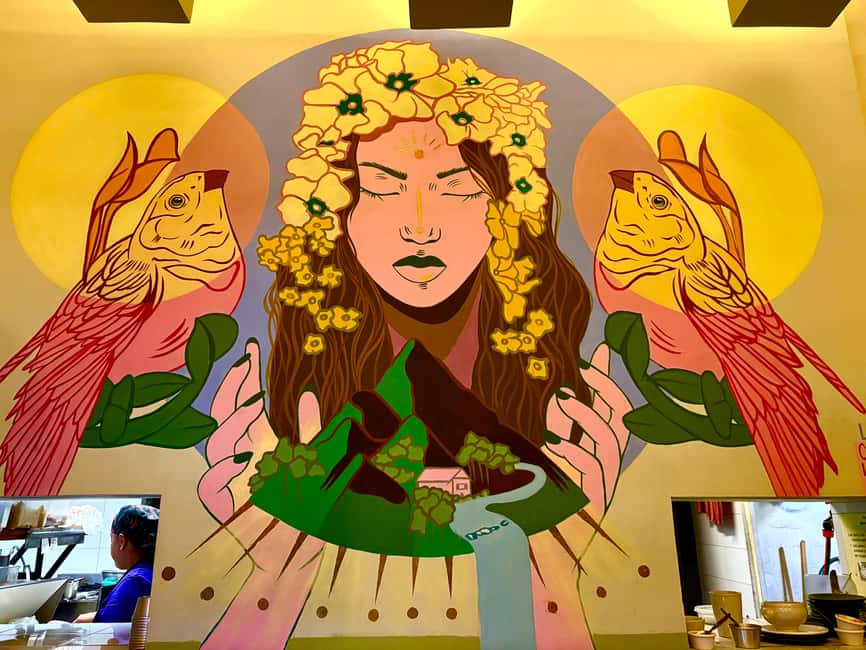
One clearly planned stop is Mexico Park, with about 20 minutes there. This is your anchor in the middle of the walk, a chance to stand back from the storefronts and see how locals use public space.
The park also changes the mood. You go from shops, streets, and architectural details into greenery and slower conversation. Even if you’re not a park person, it helps because it resets your legs and gives your eyes a rest.
Use the park time to do three things:
1) refill water (bring a reusable bottle)
2) look at how the neighborhood frames the green space
3) check your next-day plans using the recommendations you’ve collected so far
From a value standpoint, this stop matters. Three hours goes fast if you keep moving nonstop. A park break keeps the tour from turning into a blur of sidewalks.
Río de Janeiro Plaza: Where the Neighborhood Feels Like Night is Coming
The tour ends at Río de Janeiro Plaza after another stop duration of about 20 minutes. This area is a strong choice for a finishing point because it gives you an easy mental transition from afternoon exploring to whatever your night plan becomes.
Here, the vibe feels more like social Mexico City. You’ll see people lingering near cafés and street-level life. Your guide’s job at this stage is to turn what you saw into direction. Expect suggestions for where to eat, where to listen for music energy, and how to choose a spot that matches your mood.
This is also a good place to ask your last questions. Guides can help you pick between a casual dinner and a higher-end option, or steer you toward places that suit vegetarian or vegan preferences. Since meals are not included on the tour, this guidance is the difference between guessing and actually having a great night.
If you’re planning a second day in the city, I recommend you use your tour notes to map a simple loop: one café style you liked, one market style you liked, and one gallery area you liked. You’ll get more out of Roma and Condesa that way.
Food and Coffee Pointers You Can Act on After the Tour
A walking tour is only half the value. The other half is what you can do with it later. This one is built for that, with recommendations across vegetarian, vegan, and higher-end cuisine, plus pointers for bakeries and nightlife energy.
What you should do is treat the guide’s suggestions like a starter kit. Don’t try to do everything in the same evening. Pick a priority:
- If you want comfort, aim for a bakery or a place the guide names as a reliable morning stop.
- If you want to try something specific, like pastor tacos, ask where to go that actually matches what you’re craving.
- If you want lighter bites, use the market insights to steer your snack choices.
You’ll also see how the neighborhood supports international food styles, but keeps a local thread through the day. That mix is what makes Roma and Condesa feel friendly to visitors without becoming completely generic.
One practical note: meals and beverages are not included. The tour does create moments for food, but you should expect to pay for what you buy. Budget a little extra for snacks and water.
What You Learn About the Neighborhood Culture, Not Just the Sights
The strongest part of this experience is that the guide interprets what you see. You’re learning how Roma and Condesa work as creative centers. That shows up in how design shops sell ideas, how galleries take up small corners, and how parks make space for community time.
You also learn the neighborhood’s social rhythm. These are places locals favor, especially for meeting up, browsing, and spending a weekend. That matters because you’ll start recognizing which streets feel like morning, which feel like lunch, and which feel like late afternoon drifting toward night.
From the guides’ approach in the past, a pattern shows up: they often ask what you care about and adjust stops to match. That can mean focusing more on design shopping if you like interiors and Mexican jewelry, or spending a bit more time around food culture if you want to eat your way through the walk.
That tailoring is not just “nice.” It turns a general tour into a personal orientation. You’ll feel like you’re learning from a friend with good taste.
How Much Walking Is Realistic, and What to Wear
The tour is 3 hours, and in at least one recent experience, participants walked around 6 miles in about 2 hours. That means you should plan for a solid walking load, even if you take photo stops and occasional breaks.
Wear comfortable walking shoes. This is not the time for soft fashion sneakers or untested sandals.
Also plan for weather. Mexico City can swing fast, so bring a light layer, and carry a reusable water bottle. The tour advises weather-appropriate clothing and being ready for varying conditions. You’ll thank yourself halfway through.
Bring a camera if photos matter to you. The architecture and storefront details give you plenty to shoot. Just don’t get so focused on pictures that you miss the guide’s context. The stories are the part that makes the photos more meaningful.
Price and Value for a 3-Hour Neighborhood Orientation
The price is $58 per person for a 3-hour guided walk. That can sound like a lot until you remember what you get: guided orientation, stops at markets and parks, art and design store visits, and on-the-spot recommendations for what to eat and where to go next.
Value-wise, you’re paying for more than the itinerary. You’re paying for someone local who knows how to connect the dots between architecture, street life, and where to spend your money well. That saves you time. In a city as big as Mexico City, time is the hidden cost.
Also, the tour has a high review score, 4.9 from 43 reviews, which usually lines up with consistent guide quality and good pacing. In actual past experiences, people highlighted guides who were friendly, patient, and attentive, and who either adjusted the walk to interests or spent extra time when possible.
If you want the quickest way to get confident navigating Roma and Condesa, this is a fair way to spend a few hours.
Should You Book This Roma and Condesa Walking Tour?
Book it if you want:
- a practical introduction to Roma and Condesa without spending days figuring it out
- food and culture guidance, including vegetarian and vegan friendly options
- architecture and art stops that stay more local and less touristy
- a walking day you can extend into your own plans afterward
Consider another style if you:
- want a mostly indoor day or lots of museum time
- dislike walking long distances
- prefer meals and drinks included, because this one does not include them
My take: if you’re staying in or near Roma or Condesa and you want your bearings fast, this tour is a smart use of time. You’ll end the walk knowing where the neighborhood’s “everyday fun” lives, not just where to take pictures.
FAQ
How long is the Mexico City Roma and Condesa walking tour?
It lasts 3 hours.
Where is the meeting point?
You meet outside the Centro Cultural Bella Época.
What is the price?
The price is $58 per person.
What’s included in the tour?
It includes a guided tour, time at markets and parks, visits related to art and design (including fashion and Mexican jewelry stores), and recommendations for vegetarian, vegan, and higher-end restaurants. You’ll also explore places linked to vinyl, interior, and design shopping, plus street art and nightlife flavor.
Are meals or drinks included?
No, meals and beverages are not included.
Will I need to speak Spanish?
No. The live tour guide can speak Spanish, English, French, and German.
Is the tour wheelchair accessible?
Yes, it is wheelchair accessible.
What should I bring?
Wear comfortable walking shoes, bring a camera if you want photos, and carry a reusable water bottle. Plan for changing weather.
Just added around Mexico City
- The Real Mexico City: Under the skin of CDMX★ 5.0 · 21 reviews
- Teotihuacan Pyramids: Guided Tour with Entry Ticket Included★ 4.1 · 45 reviews
- Teotihuacan: Private Tour with Archeologist & Hotel Pick-up★ 4.2 · 164 reviews
- Teotihuacan, Guadalupe, Xochimilco Coyoacan & Frida Kahlo★ 4.0 · 27 reviews
- Soumaya: the greatness of Mexican & western art.★ 4.9 · 26 reviews
- From Mexico City: Puebla and Cholula Day Tour★ 4.2 · 194 reviews
- National Museum of Anthropology: a journey into Mexico’s past – English lang.★ 4.8 · 26 reviews
- Nevado De Toluca: Reach the Summit with Professionals★ 4.8 · 250 reviews
Walking Tours, compared.
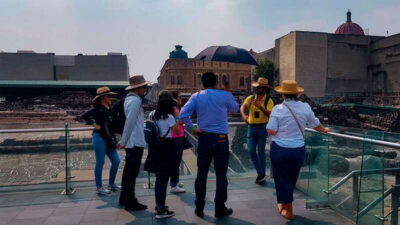
![Frida Kahlo VIP [Museum Tickets Included] Walk, Markets & Churros](https://z.mexicantrips.com/wp-content/uploads/frida-kahlo-vip-museum-tickets-included-walk-markets-churros-400x267.jpg)
Frida Kahlo VIP [Museum Tickets Included] Walk, Markets & Churros
Read our review →
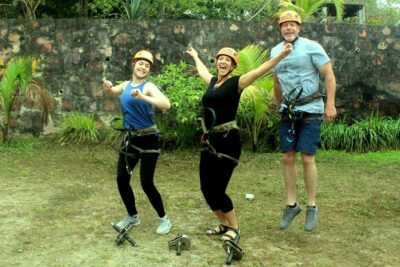
Puerto Vallarta’s Best Canopy Zipline + Jorullo Bridge walk!
Read our review →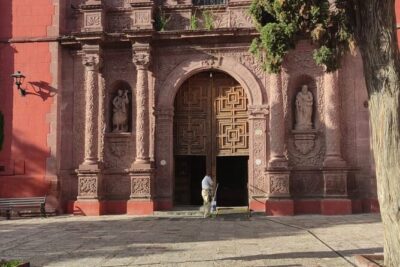
Historical and Cultural Walking Tour of San Miguel de Allende
Read our review →
Tacos and Tequila Walking Tour with Taste of Miguel
Read our review →Browse the lists this tour appears in