
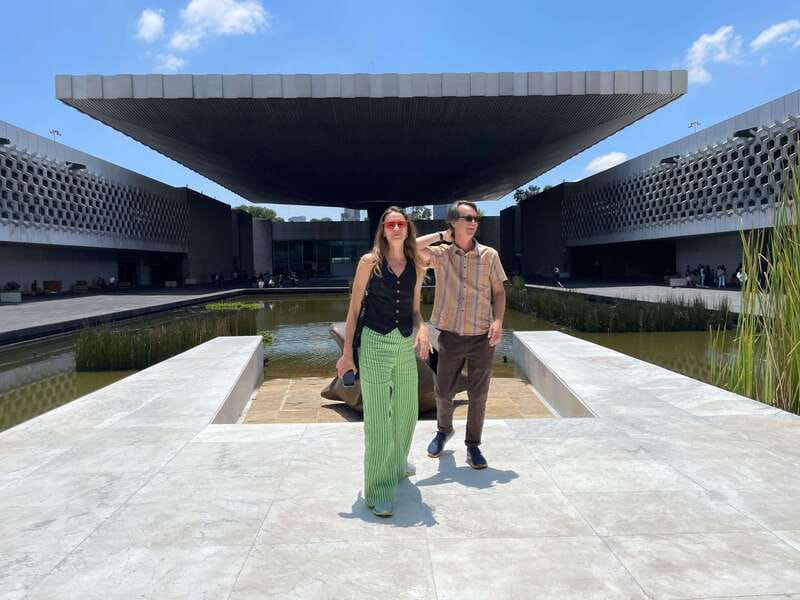
Reviewed · CITY TOURS
Mexico City: Anthropology Museum Tour with Historian
Pre-Columbian art can look like a wall of symbols. This 3-hour visit turns it into a connected story you can actually follow. You’ll move gallery to gallery with an art-historian-style guide who explains how ideas traveled across Mesoamerica.
What I like most is the way the tour teaches you to read objects, not just stare at them. I also love the focus on real cultural systems, like agave and textiles, alongside big-name icons like the Sun Stone.
The main drawback is time. The museum is huge, and even with a focused route, you may leave wanting one more hour to wander on your own.
In This Review
- Key highlights I’d circle on your map
- Why this historian-led Anthropology Museum tour feels different
- Meeting in the main lobby, then getting your bearings fast
- The museum’s design and courtyard fountain, history you can see in 3D
- Paul Kirchhoff and the idea of Mesoamerica as a shared cultural region
- Agave, textiles, and natural pigments: the everyday technology behind the art
- Olmec influence through the colossal head gallery
- Mexica highlights: Templo Mayor, chinampas, and the Sun Stone
- Teotihuacán as a multicultural metropolis with many peoples
- Maya writing, Pakal’s tomb replica, and the 1985 Christmas Eve heist
- Price and timing: is $175 worth it for 3 hours?
- Who should book this tour, and who might skip it
- Should you book? My practical decision guide
- FAQ
- Is the museum ticket included?
- How long is the tour?
- Where do we meet the guide?
- What languages are available?
- Is the tour wheelchair accessible?
- What group size should I expect?
- Is food or transportation included?
- What’s the cancellation window?
Key highlights I’d circle on your map
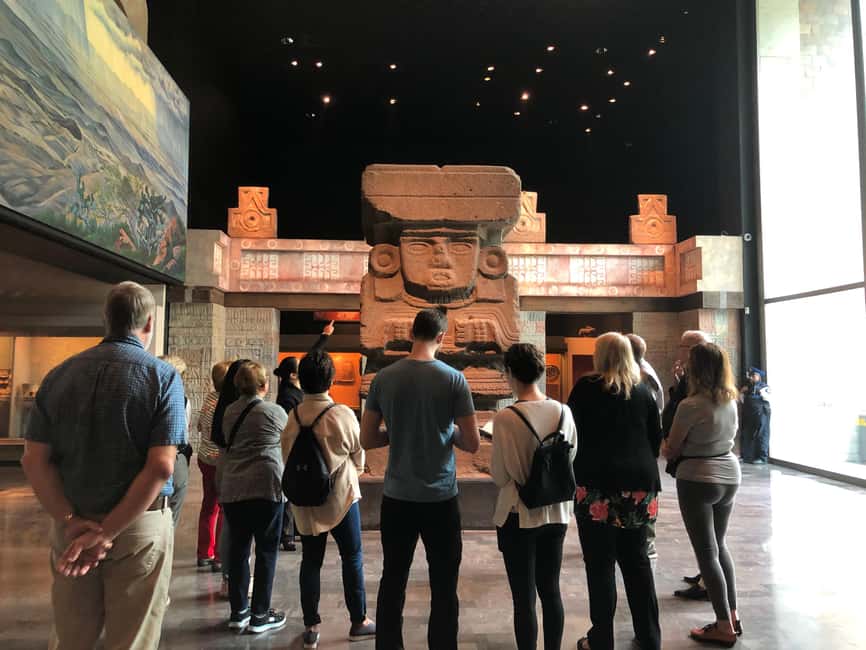
- A historian guide who answers follow-up questions, with a clear, story-driven approach
- The museum’s architecture and courtyard fountain explained as part of the storytelling
- Mesoamerica as one shared cultural web, using Paul Kirchhoff’s definition as your backbone
- Hands-on themes for everyday life, from spinning and weaving to natural pigments and agave tools
- Icon halls that connect cause and effect, Olmec influence to Mexica city-building and Maya writing
- Pakal’s tomb replica plus the 1985 Christmas Eve heist story, the kind of moment that makes history feel real
Why this historian-led Anthropology Museum tour feels different
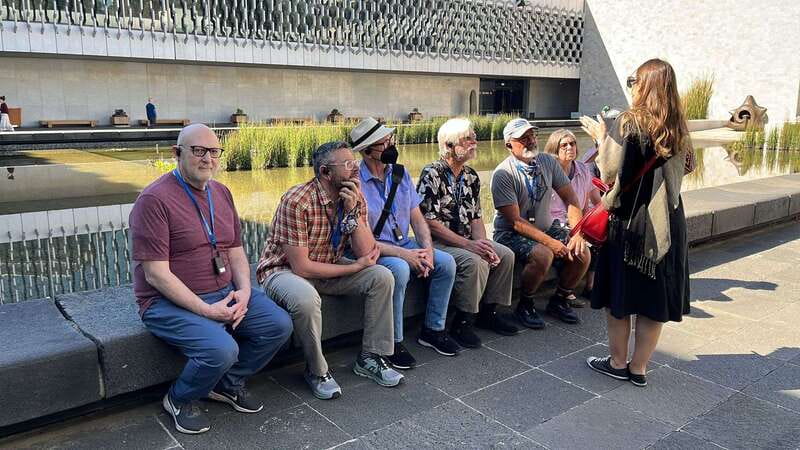
If you’ve ever walked through a museum and thought, I get the vibe, but not the meaning, this tour fixes that. The magic trick here is connections. Instead of treating each civilization like a separate chapter, you learn how symbols, crafts, and beliefs link across time.
You’ll start with the museum itself, then work through major cultural zones. Expect a guided pace that keeps you moving, but also keeps you thinking. The best part is how you’re not just collecting facts. You’re building a framework for what you’re seeing.
Also, you get a small group setup, capped at 10 people. That matters because you can ask questions without shouting, and the guide can adjust in the moment. When I hear about guides like Natalia or Hector leading these tours, the common theme is clarity plus personality, including humor that doesn’t distract from learning.
Backup plans for Mexico
- Chapultepec Castle & Anthropology Museum Tour
★ 4.5 · 1,348 reviews - Frida Kahlo VIP [Museum Tickets Included] Bike, Markets & Churros
★ 5.0 · 1,072 reviews - Anthropology Museum Guided Tour
★ 4.5 · 1,035 reviews
Meeting in the main lobby, then getting your bearings fast
Your tour meets at the Anthropology Museum main lobby, near the ticket booth. That’s practical because you can orient immediately, grab your bearings, and avoid the “where do we go first?” scramble.
From the start, the guide sets up what you’re about to learn. You’re not just being shown highlights. You’re being trained to notice patterns, like how images act like messages, and how art can carry myths, politics, and cosmology.
If you’re traveling with kids, you’ll also appreciate that the tours are designed to work for mixed ages. In at least one case, a guide engaged both adults and children through stories and visual aids. Still, plan on keeping a steady pace. This tour is about synthesis, not a slow, gallery-by-gallery stroll.
The museum’s design and courtyard fountain, history you can see in 3D
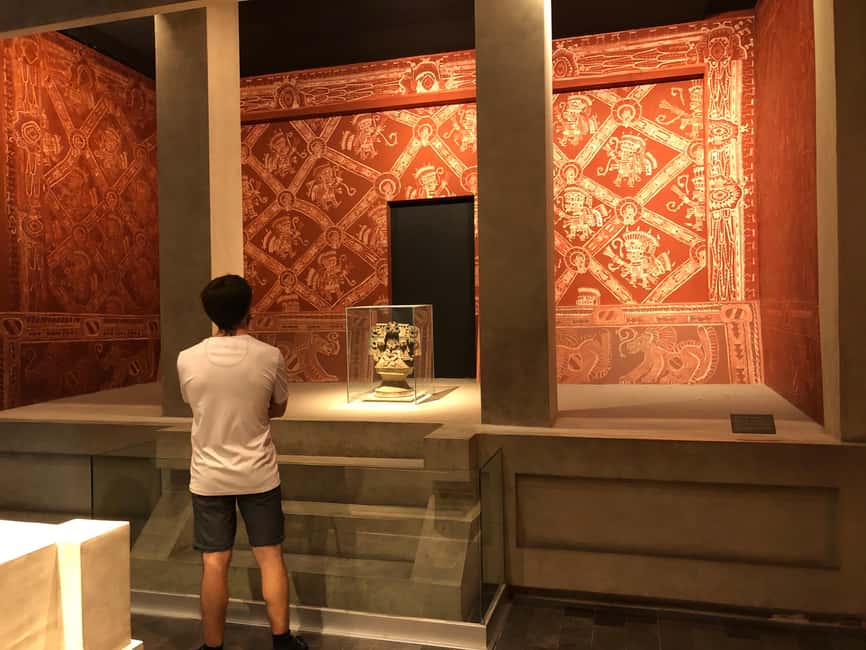
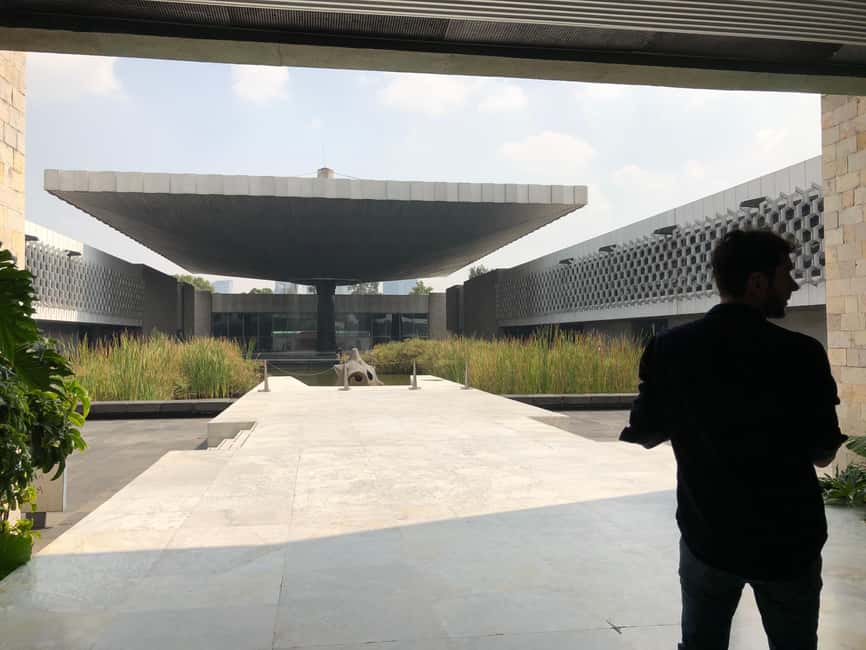
Before the objects start, you get the context: the building’s design and the intentional way Mesoamerican cultures are honored through murals, symbolism, and monumental replicas. It sounds abstract, but it helps you understand why the museum experience feels more like a map than a warehouse.
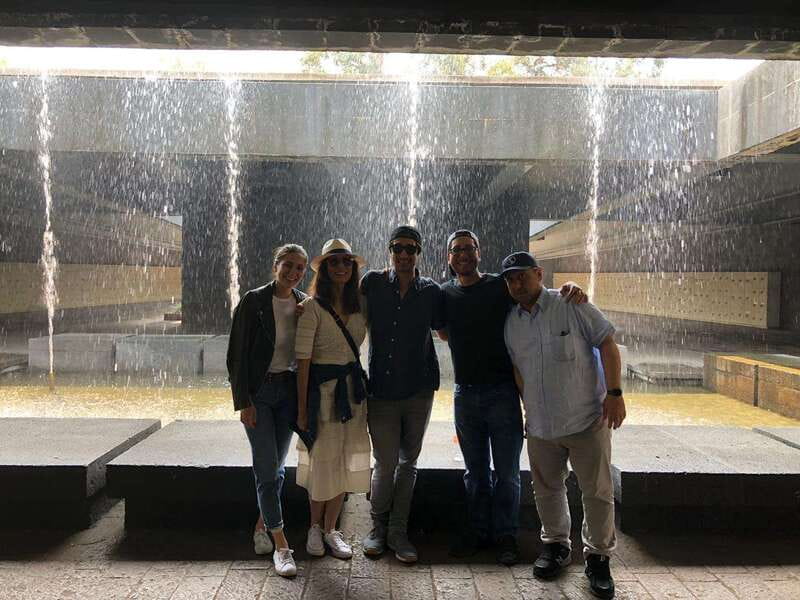
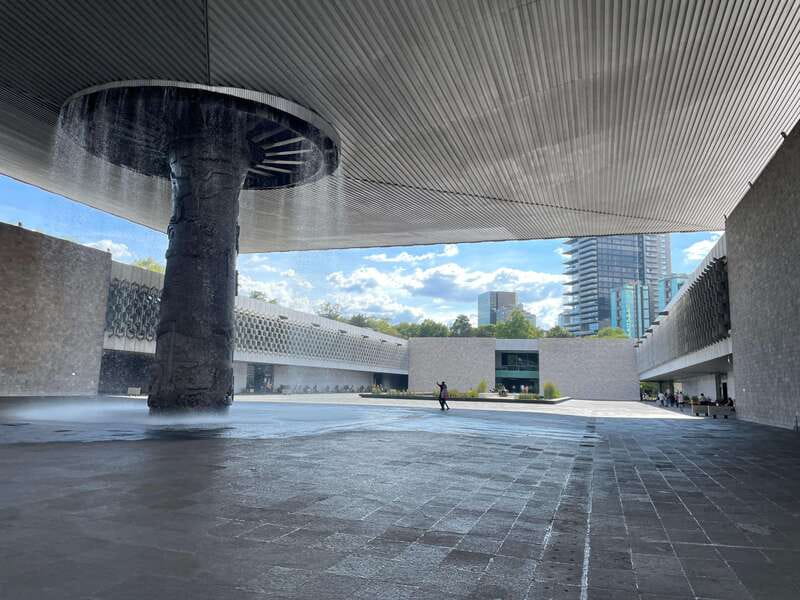
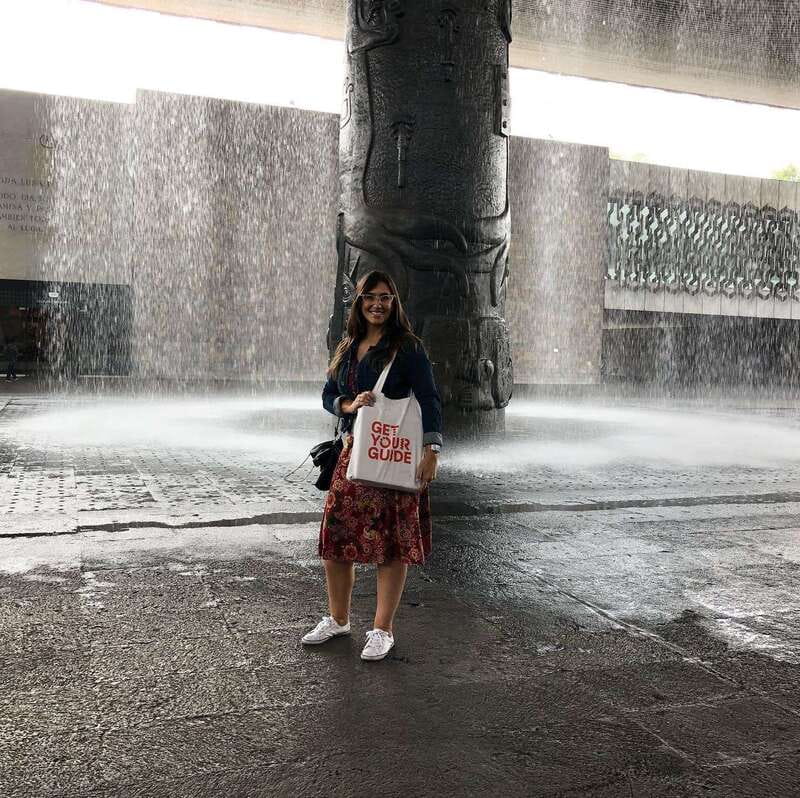
Then comes one of the most memorable moments, the courtyard’s monumental fountain. You’ll step into that space and talk through its meaning and symbolism. This is one of those stops that changes how you read the rest of the tour, because it teaches you that scale and placement are part of the message.
A quick practical note: museum surfaces can vary between bright indoor lighting and open courtyard light. Dress for comfort, and bring something small to blot sweat or adjust layers if you run hot. You’ll be on your feet enough that comfort matters.
Paul Kirchhoff and the idea of Mesoamerica as a shared cultural region
One hall focuses on what “Mesoamerica” means, using Paul Kirchhoff’s definition as the anchor. This is the tour’s backbone. You learn that the region wasn’t just a random set of societies separated by geography.
Instead, it was a connected cultural system. You explore how shared traditions, related languages, agricultural patterns, and cosmological ideas linked distant peoples. The result is that later stops make more sense. When you see symbols repeat, or you notice similar craft techniques, you’ll know to think, “This traveled,” not “This is just a coincidence.”
This is also where the tour earns its price tag. A museum ticket gets you inside. A historian guide helps you understand why the same themes show up again and again across hundreds of years.
Close by, worth a second look:
- Chichen Itza, Cenote, and Valladolid Tour
★ 5.0 · 24,293 reviews - Chichen Itza, Cenote & Valladolid Tour with Tequila and Lunch
★ 4.5 · 15,789 reviews - Teotihuacan, Guadalupe Shrine & Tlatelolco Day Tour with Lunch
★ 5.0 · 11,603 reviews - Cabo Beach Camel Ride, Mexican Buffet and Tequila Tasting
★ 5.0 · 8,815 reviews
Agave, textiles, and natural pigments: the everyday technology behind the art
This stop is a favorite for people who thought archaeology was all big stones and scary mysteries. Here you zoom in on agave and the craft knowledge that kept daily life working.
You’ll see looms, textiles, and garments across Mesoamerica. Then the guide walks you through how agave was used in multiple ways, including fibers and practical household items. You also learn how spinning, weaving, and dyeing worked with organic pigments.
Why this matters: textile technology is a form of communication. Clothing can signal community identity, social role, festival season, and even political allegiance. When you understand materials and process, the museum stops feeling like a collection of artifacts and starts feeling like a record of human problem-solving.
If you like hands-on thinking, ask the guide how pigments and fibers related to trade and ritual. The tour gives you enough structure that those connections will click.
Olmec influence through the colossal head gallery
The Olmec colossal head is one of those objects that looks like it should come with a legend. The guide explains why the Olmec are often called the mother culture of Mesoamerica, and how their influence shows up in later societies.
You’ll connect artistic style and religious concepts, not just geography. The idea isn’t that everyone copied everything. It’s that cultural influence travels through shared symbolism, political prestige, and the way people admired older traditions.
This is also a good moment to practice how you’re “reading” the museum. Look at scale, posture, facial expression, and carving choices. Then listen for how the guide links those visual clues to belief systems. After this stop, the Mexica and Maya sections will feel less like separate lectures.
Mexica highlights: Templo Mayor, chinampas, and the Sun Stone
The Mexica section gives you the city-building side of Mesoamerica. You’ll cover major topics including Templo Mayor, the chinampas system, and the famous (and often misnamed) “Aztec Calendar,” with attention to its true name and meaning.
Chinampas are one of the most mind-bending concepts in the whole tour. You’ll hear how the Mexica built agricultural zones as artificial islands supported by bridges, aqueducts, and a sophisticated hydraulic system. Then a detailed scale model shows how the ancient city lies beneath colonial Mexico City today.
That detail is key. It reframes modern Mexico City as a layered place, not a clean break from the past. When you look at the museum after hearing this, you start noticing how the tour turns archaeology into lived geography.
And yes, you’ll see the Sun Stone. The guide connects it to the bigger story of time, ritual, and authority. If you’ve ever seen that image online and wondered what you’re looking at, this is the part where the symbols become readable.
Teotihuacán as a multicultural metropolis with many peoples
Next you shift to Teotihuacán, framed as a cosmopolitan city where multiple cultural groups lived and influenced one another. The guide shares theories about its rise and mysterious decline while you admire ceramics, obsidian masterpieces, mural fragments, and colorful architectural replicas.
Teotihuacán is often described as “mysterious,” but this tour gives it human texture. You learn to see variety in material culture, not as chaos, but as evidence of interaction.
Why I think this section works for first-time visitors: it prevents the common trap of treating ancient cities like single-culture worlds. You leave with a more realistic sense of how cities actually function, through mixing, trading, competing, and adapting.
If you want a good question to ask, ask the guide how ceramics and obsidian styles can signal contact between groups. The tour’s earlier “Mesoamerica as a network” lesson makes those answers easier to follow.
Maya writing, Pakal’s tomb replica, and the 1985 Christmas Eve heist
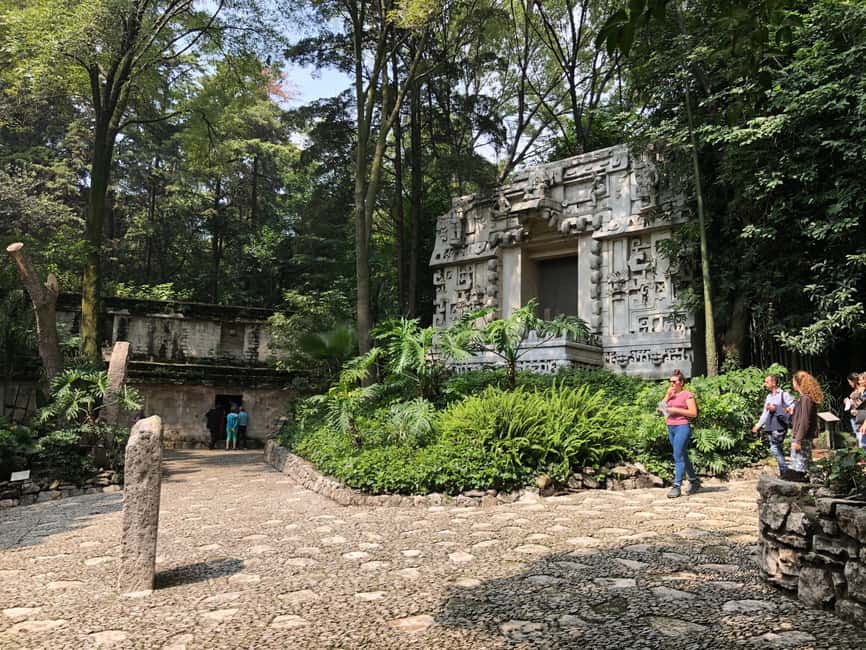
The finale is the Maya hall, and it’s built to feel dramatic without losing scholarship. You’ll see ceramic portraits, vibrant vessels, and jade carvings. Then you hear the story of how Maya writing was deciphered.
This is one of the most fascinating narratives in the tour. The tale spans colonial archives, lost manuscripts, and the work of a WWII Russian soldier. That mix of sources sounds unusual, but it helps explain why decipherment took time and collaboration across generations.
Finally, you reach the breathtaking replica of Pakal’s tomb. It’s one of the museum’s most dramatic spaces, and the tour doesn’t stop at awe. You also get the incredible account of the 1985 Christmas Eve museum heist, when Pakal’s mask and other treasures were stolen.
That last piece does something powerful: it shows that these collections are not just ancient. They live in modern reality, with history on top of history. You’ll leave feeling like the story never really ends.
Price and timing: is $175 worth it for 3 hours?
At $175 per person, this is not a budget museum add-on. The value comes from what’s included: an expert guide with graduate-level credentials, the museum ticket, and headsets to hear clearly.
Three hours is tight for a museum this size, so you’re paying for focus. And this focus matters. Without a guide, you can easily walk past the “why does this matter” layer, especially with symbols and craft techniques.
You also get a small group experience limited to 10 participants. That usually means your questions get answered, and your guide can pace around what you find confusing. In reviews, guides like Natalia and Hector are praised for being funny, warm, and able to connect dots, which is exactly what you want at this price.
One timing consideration: if your guide builds in more discussion, you might end up closer to 3 hours and a bit. That’s not a problem if you plan your day with breathing room.
Who should book this tour, and who might skip it
Book this if you want your museum visit to feel guided, not random. This is ideal for people who enjoy history but want it explained in a way that turns artifacts into stories. If you’re into art, symbols, writing systems, or craft technology like textiles and natural pigments, you’ll probably love the structure.
It’s also great for travelers who worry the Anthropology Museum will be overwhelming. The tour is designed to hit key spaces while keeping the theme consistent, so you don’t lose your thread.
Skip it if you want maximum freedom to wander and spend lots of time reading on your own. A self-guided visit can be relaxing, and you might prefer it if you plan to spend half a day anyway. Still, even then, a historian-led route can be a strong first pass.
Should you book? My practical decision guide
If you want a museum tour where the symbols, crafts, and major civilizations all connect, I’d book it. The biggest strength is the “network thinking,” Mesoamerica as a shared cultural region, not a pile of unrelated galleries.
The only reason not to is scheduling. If you’re on a strict timeline and you hate structured tours, this might feel fast. Otherwise, the combination of expert historian, included ticket, and a focused route through Olmec, Mexica, Teotihuacán, and Maya highlights makes it a high-value way to experience one of the world’s best museums.
FAQ
Is the museum ticket included?
Yes. The price includes the museum ticket.
How long is the tour?
The tour runs for 3 hours.
Where do we meet the guide?
You meet the guide in the Anthropology Museum main lobby, near the ticket booth.
What languages are available?
The tour is offered in English and Spanish.
Is the tour wheelchair accessible?
Yes, it is listed as wheelchair accessible.
What group size should I expect?
It’s a small group, limited to 10 participants.
Is food or transportation included?
No. Food and drinks, transportation, and pickup or drop-off are not included.
What’s the cancellation window?
You can cancel up to 24 hours in advance for a full refund.
Just added around Mexico
- Puerto Morelos Foodie Tour, Mexico in every bite!★ 5.0 · 241 reviews
- Private flight to Holbox from Cancun★ 4.5 · 35 reviews
- Luxury FERRY Xcaret: From Cancun to Isla Mujeres★ 4.5 · 167 reviews
- Two Dives and Class for Begginers Divers in Cancun★ 5.0 · 19 reviews
- Explore Contoy Island★ 4.0 · 38 reviews
- Excursion to Chichén Itzá, Valladolid and Cenote xcajum★ 4.0 · 45 reviews
- Exclusive Tour to Chichen Itza, 2 different Cenotes & Valladolid for 1 price!★ 3.5 · 34 reviews
- Exciting Catamaran Tour to Isla Mujeres, from Cancún!★ 4.0 · 49 reviews
City Tours, compared.
Teotihuacan & Guadalupe Shrine Tour with Lunch
Read our review →
Teotihuacan Hot Air Balloon Flight from Mexico City / Volare
Read our review →
Teotihuacan Early Access Tour & Optional Lunch
Read our review →

The best tour to Teotihuacán from Mexico City
Read our review →
Browse the lists this tour appears in