
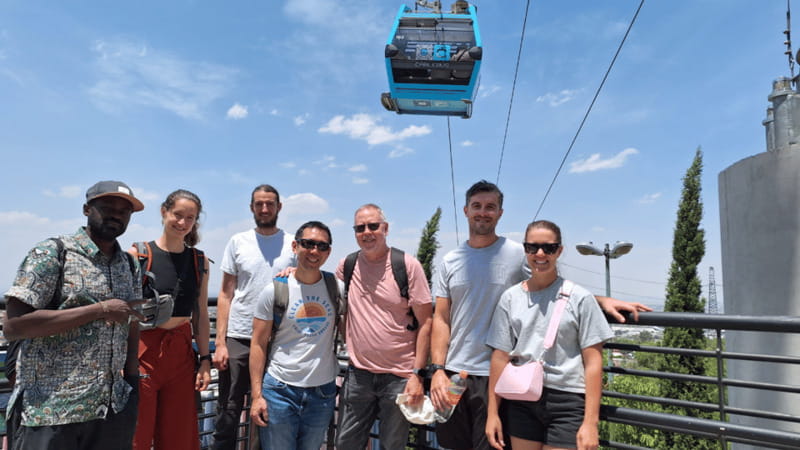
Reviewed · MEXICO CITY TOURS & ACTIVITIES
Iztapalapa: Cable Car Tour and Urban Art From the Heights
Look down from the sky, feel the city change. This tour turns the Cablebús into a viewpoint that makes Iztapalapa make sense fast, and it pairs that ride with mural storytelling and local history. One thing to consider: you spend real time on the metro, and if you get motion sickness, you’ll want prevention before the cable ride.
If you like cities that feel lived-in, not staged, this is one of the smartest ways to spend half a day in Mexico City. You’re in a small group (up to 9), guided in English or Spanish, and you leave with better city-bus confidence than you’ll get from wandering alone.
In This Review
- Key things you will notice on this tour
- Why the Cablebús over Iztapalapa beats the usual Mexico City skyline
- Meeting at Bellas Artes, then using the metro like you mean it
- Cablebús: the long ride, the skyline shift, and what to watch
- Seeing Iztapalapa from above: murals, photos, and guided meaning
- The park pause: volcano views and music rhythms you can name
- Tortilla-making: a hands-on stop that explains a big part of Mexico
- Group size, comfort, and the “don’t overpack” reality
- Price and value: what $24 actually buys you here
- Who should book this tour, and who should skip it
- Should you book this Iztapalapa Cablebús and urban art tour?
Key things you will notice on this tour
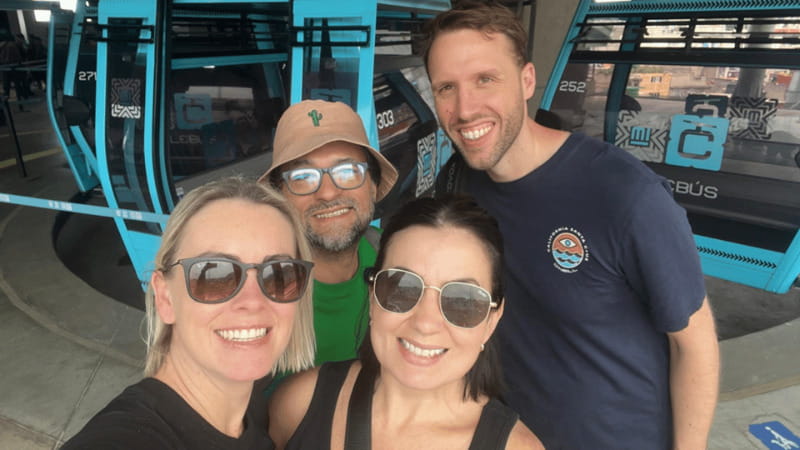
- Cablebús views with context from high above Iztapalapa’s rooftops and streets
- Murals you can actually read because the guide explains who made them and why
- Metro confidence boost so you can navigate CDMX after the tour
- Park stop with volcano views plus background on how Iztapalapa grew and changed
- Tortilla-making time that connects food to daily life, not just sightseeing
Why the Cablebús over Iztapalapa beats the usual Mexico City skyline
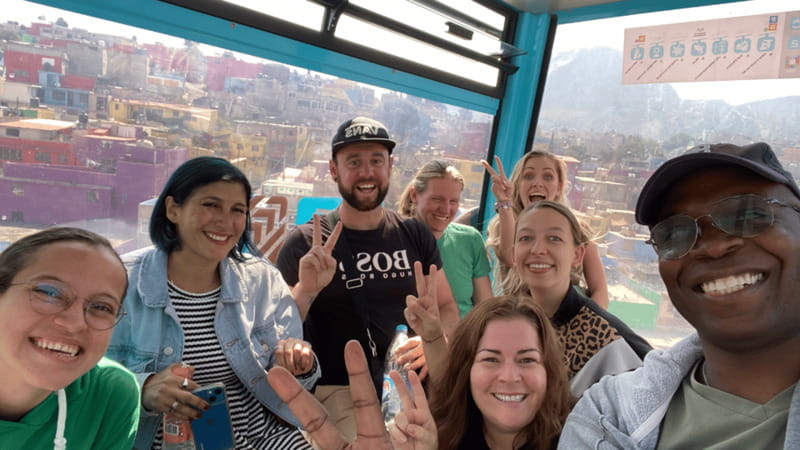
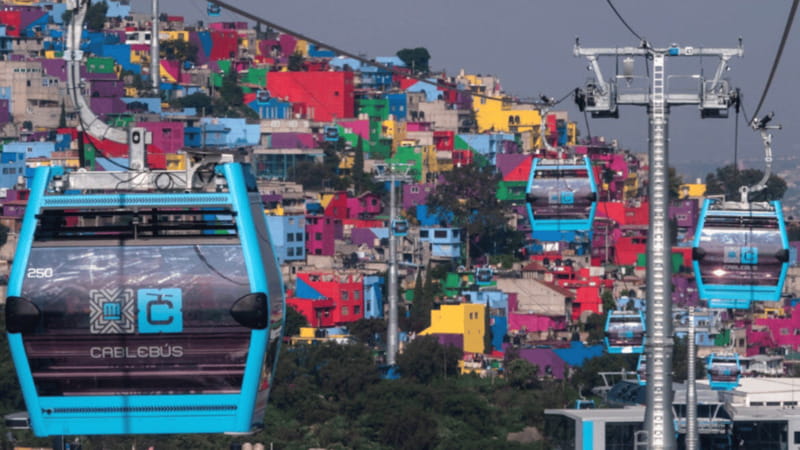
Most Mexico City “views” are about the same postcard angles. This one is different because you’re not just looking at tall buildings. You’re looking at a neighborhood that functions. From the cable cars, the geometry of the streets, the density of homes, and the way the mountains frame the area all click together.
I like how the tour does not treat Iztapalapa like a distant subject. It treats it like a place with stories you can see from above. The murals matter here. You don’t just glance at color. Your guide explains the cultural meaning behind the artwork and how it connects to community identity.
And it’s good that you get a high pass without a heavy walking plan. The experience is designed around seeing from height and using public transport, which means less time sweating cobblestones and more time taking in the view.
The main tradeoff is that you are using the metro as part of the day. If you already feel totally comfortable with the system, the metro portion may feel like a big chunk of the four hours.
Backup plans for Mexico City
- Teotihuacan, Guadalupe Shrine & Tlatelolco Day Tour with Lunch
★ 5.0 · 11,603 reviews - Xochimilco, Coyoacan and Frida Kahlo with Optional Lunch
★ 4.5 · 7,320 reviews - Balloon flight + Breakfast in cave + Pyramids + Pick up CDMX.
★ 5.0 · 6,335 reviews
Meeting at Bellas Artes, then using the metro like you mean it
The tour starts at the Parisian entrance of the Bellas Artes subway. It’s on the left side of the palace, and the guides will have a green shirt and an umbrella.
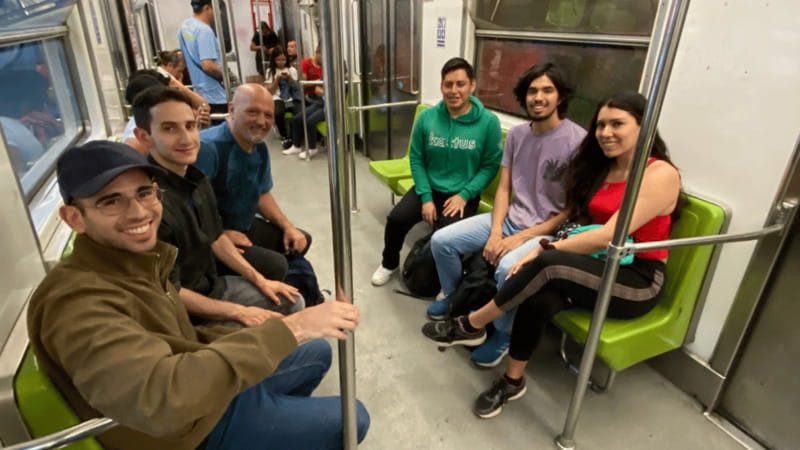
What I love about this setup is simple: you’re not dropped into a maze and told good luck. You’re learning a practical route in real time. In multiple group experiences, guides like Eduardo and Benjamin have been praised for making the metro feel less intimidating and keeping the group together in a system that can look huge when you’re new.
The metro ride is about 45 minutes. For you, that means two useful things:
- You get oriented to the transit rhythm right away, before you head into the specialty part of the tour (Cablebús and the viewpoints).
- You get a stress-reducer. The guide helps you avoid the most common first-day mistakes, like getting turned around at transfer points or losing your place in a busy station.
One practical note: the tour asks you to bring cash. That’s usually for small snacks, and it matters because not all food is included. Having cash ready helps you say yes to the local side stops without slowing the group down.
Cablebús: the long ride, the skyline shift, and what to watch
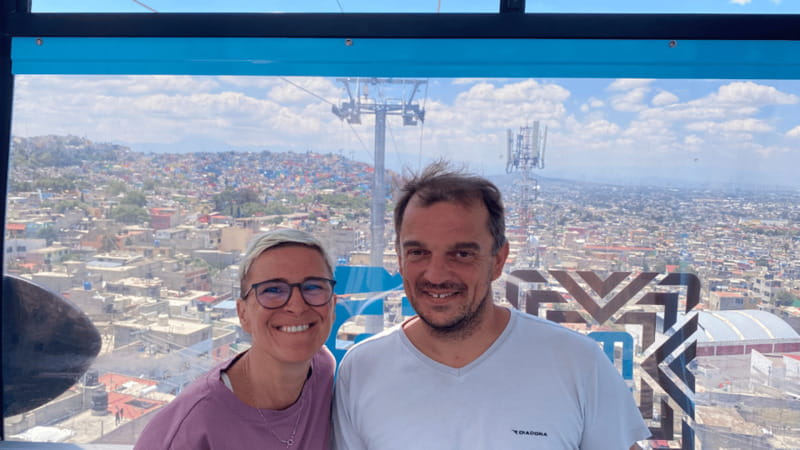
The cable car portion is the star, about 40 minutes each way on the main segments. This specific line is often described as the longest public transport cable bus in the world, and it shows you why. The ride is long enough for your eyes to adjust from “wow, that’s high” to “I can understand how the neighborhood is laid out.”
From your seat, watch for:
- Rooflines and stairways that reveal how people navigate steep areas.
- Street patterns that look confusing at ground level but become legible from above.
- The way mountains and the wider city frame Iztapalapa.
The cars are modern and, in many experiences, described as clean and calm. That helps if you’re worried about feeling cramped or stuck.
Two things to be smart about:
- Motion sickness is real risk for some people. The tour specifically recommends motion-sickness prevention. It also is not suitable for people with motion sickness, people prone to seasickness, or those who have vertigo.
- Dressing matters because of restrictions in the vehicle and the recommended outfit style. You’ll want comfortable shoes and should avoid things like sandals or high heels.
Seeing Iztapalapa from above: murals, photos, and guided meaning
Once you’re on the Iztapalapa side, you get a guided walkthrough on the ground (about 20 minutes), plus a photo stop (about 15 minutes). This is where the tour turns from transit into storytelling.
What makes this part work is the angle. From the cable car, the murals and rooftops look like a patchwork of color. On the ground, the guide helps you connect that color to people, community pride, and cultural expression.
You also get scenic viewing time on the way, about 30 minutes. This is the “look again, but slower” moment. You’ll see the same blocks from different perspectives, and your guide’s explanations will help you recognize patterns you might otherwise miss.
Some guides, including Oscar in several past group experiences, have been especially praised for giving enough context that the artwork feels connected to daily life, not just “street art as decoration.”
Practical tip: take your photos during the photo stop, not constantly from the moving bus or car. You’ll get a steadier window and you’ll spend less energy trying to frame shots while navigating the group.
Close by, worth a second look:
- Teotihuacan pyramids morning or afternoon without tourist traps
★ 5.0 · 6,186 reviews - Teotihuacan Early Access Guided Tour with optional Lunch
★ 4.5 · 6,138 reviews - Balloon flight + pick up in CDMX + Breakfast in Cave + Pyramids
★ 5.0 · 5,651 reviews - Mexico City: Teotihuacan & Guadalupe Shrine Tour with Lunch
★ 4.7 · 4,465 reviews
The park pause: volcano views and music rhythms you can name
A major add-on is the stop at a local park, where you can see volcanoes and the wider city in the distance. Even if you’ve seen CDMX from other spots, this one hits differently because you’re seeing how the mountains relate to a lived-in neighborhood.
During this break, the guide covers how Iztapalapa grew over time, including how the community developed and faced challenges. The tour also brings up local musical rhythms, including cumbia, sonidero, and urban rock.
That might sound like “extra talk,” but it’s actually useful for what you’re seeing. When you can name the rhythms a community loves, you read the murals and street energy differently. You notice the cultural references, not just the colors.
If you’re the kind of traveler who likes to understand how places earn their identity, this park stop is worth your full attention. It’s one of the rare moments when the tour slows down enough to connect geography to culture.
Tortilla-making: a hands-on stop that explains a big part of Mexico
The tour includes the chance to join a tortilla-making activity. The point is not to turn you into a tortilla expert in 20 minutes. The point is to show you why tortillas are everywhere in Mexico City food culture and why they matter beyond taste.
I like hands-on activities like this because they make the cultural lesson stick. When you handle ingredients, see the rhythm of making, and connect it to the meal patterns around you, you remember the food as part of the neighborhood, not just as a tourist snack.
Timing-wise, this part happens during the Iztapalapa time on the ground (since the tour stays in that area for the guided and scenic moments). If you’re not comfortable doing food prep, you can usually watch and participate in whatever way feels manageable, but the tour does position it as a hands-on element.
Also, meals are not included. You may want to eat after the tortilla moment, or use the local food opportunities you find during the area stops. Cash is recommended for typical snacks, and there’s mention of gorditas for 15 pesos if you want to add something savory.
Group size, comfort, and the “don’t overpack” reality
This is a small group tour, limited to 9 participants. That matters because it keeps the experience personal enough for questions and fast enough that you do not lose time waiting.
Comfort rules are strict for a reason. The tour does not allow items and clothing that could be unsafe or disruptive in the vehicle. You should plan on:
- Comfortable shoes
- Discreet clothing, avoiding things like sandals or short skirts
- No large bags or oversize luggage
Also, some items are simply not allowed, like jewelry. This might sound extreme, but it’s the kind of operator rule that keeps the cable car experience calm and organized.
For the day itself, keep your plan light. If you bring a bunch of stuff, it will become a hassle. You have enough to think about with transit, views, and timing.
Price and value: what $24 actually buys you here
At $24 per person for a four-hour experience, the value comes from three bundled costs that many tours charge separately.
You get:
- Public transport card
- Metro and Cablebús rides
- Tortillas
- An expert guide plus educational resources
Most tours that “show art” don’t also teach you how to use the city transit system. Here, the transport coaching is part of the product. That’s why this can be a smart first or second day activity, when you still need confidence moving around on your own.
The main extras are predictable:
- Meals and drinks are not included
- Snacks like gorditas are typically an add-on cost
- Tip is not included
So the value equation is this: if you want a guide-led day that covers both transit and local culture, $24 can feel like a bargain. If you plan to spend the entire day buying food, your total cost will rise, but that’s also true in every neighborhood tour.
Who should book this tour, and who should skip it
I’d book it if you want:
- A non-touristy neighborhood experience that looks at how people live, not just famous landmarks
- A no-long-walk plan focused on views and murals
- A practical way to learn the metro so you can move around CDMX with less stress
- A cultural stop that includes food, not only photos
You should skip or rethink if you:
- Have vertigo
- Get motion sickness or are prone to seasickness
- Have respiratory issues or altitude sickness risk (the tour lists these as not suitable)
- Need mobility scooters (not allowed)
- Want to bring a lot of luggage or wear restricted items like jewelry, which the tour says are not allowed
Also, children under 5 are not suitable.
If you’re visiting Mexico City for a short stay and the metro makes you nervous, guides like Eduardo and Benjamin have been highlighted for exactly this reason, helping visitors get comfortable enough to return to transit later.
Should you book this Iztapalapa Cablebús and urban art tour?
If your ideal Mexico City day includes real neighborhoods, good transit guidance, murals with context, and a viewpoint that actually changes how you understand the city, I think this is a strong pick.
Book it when you want:
- A four-hour plan that feels focused, not exhausting
- A chance to see Iztapalapa from above, then connect that view to ground-level stories
- Hands-on tortilla time without needing a separate food tour
Consider a different option if:
- You hate metro rides and already know the system well
- Motion sickness is a concern for you, since the cable car is a key part of the experience
If you fit the first group, this tour is one of the easiest ways to get a different Mexico City perspective without turning the day into a complicated logistics puzzle.
Just added around Mexico City
- The Real Mexico City: Under the skin of CDMX★ 5.0 · 21 reviews
- Teotihuacan Pyramids: Guided Tour with Entry Ticket Included★ 4.1 · 45 reviews
- Teotihuacan: Private Tour with Archeologist & Hotel Pick-up★ 4.2 · 164 reviews
- Teotihuacan, Guadalupe, Xochimilco Coyoacan & Frida Kahlo★ 4.0 · 27 reviews
- Soumaya: the greatness of Mexican & western art.★ 4.9 · 26 reviews
- From Mexico City: Puebla and Cholula Day Tour★ 4.2 · 194 reviews
- National Museum of Anthropology: a journey into Mexico’s past – English lang.★ 4.8 · 26 reviews
- Nevado De Toluca: Reach the Summit with Professionals★ 4.8 · 250 reviews
Mexico City Tours & Activities, compared.
Teotihuacan, Guadalupe Shrine & Tlatelolco Day Tour with Lunch
Read our review →
Xochimilco, Coyoacan and Frida Kahlo with Optional Lunch
Read our review →
Balloon flight + Breakfast in cave + Pyramids + Pick up CDMX.
Read our review →
Teotihuacan pyramids morning or afternoon without tourist traps
Read our review →
Teotihuacan Early Access Guided Tour with optional Lunch
Read our review →
Balloon flight + pick up in CDMX + Breakfast in Cave + Pyramids
Read our review →
Teotihuacan & Guadalupe Shrine Tour with Lunch
Read our review →
Balloon Flight + Cave Breakfast + Pick Up from CDMX or We Fly
Read our review →Browse the lists this tour appears in