
Reviewed · MAZATLAN TOURS & ACTIVITIES
Gran Acuario Mazatlan
Crashing waves and giant windows make this one unforgettable. Gran Acuario Mazatlán is described as the largest aquarium in Latin America, and it turns the Sea of Cortez into a walkable story across 30 habitats and about 200 species. I especially like the way it starts with land animals and then walks you toward the coast, so the change from desert reptiles to ocean life feels logical.
What I really love is the building itself. The design is an architectural “come explore” invitation, with places that make you stop, look longer, and actually notice how animals live, not just how they look. The other standout is the animal focus, from Humboldt penguins and California sea lions to sharks, rays, and turtles in immersive displays.
One drawback to think about first: this is largely self-guided. If you were counting on a fully guided, step-by-step tour, you may have to figure out your own route inside the aquarium, and some areas can feel spread out. Also, penguin access can vary by day.
In This Review
- Key highlights worth planning around
- First impressions at the main entrance
- From desert reptiles to sea dunes: the route makes sense
- Intertidal zone time: textures are the point
- The crash tank and Coral City: where the color hits
- The Oceanic habitat: 42×23-foot views you can linger at
- Gardens and bird areas: the plant design does real work
- Humboldt penguins: included viewing, not hands-on interaction
- California sea lions: watch the exhibition style
- Scuba diver show and rays: what you can see, what you cannot do
- Price and value: what $30 buys you in a full-day animal route
- Timing tips: how to get the most without rushing
- Photography and animal rules you should follow
- Who this works best for
- Should you book Gran Acuario Mazatlán?
- FAQ
- How long is the Gran Acuario Mazatlán visit?
- Where do I meet for the experience?
- What is included with general admission?
- Are penguin interactions included?
- Is feeding rays included?
- Can I feed Agapornis birds?
- What is not allowed during the visit?
Key highlights worth planning around
- 30 habitats with around 200 species, including Sea of Cortez animals
- Start in the desert reptiles, then move through sea dune landscapes
- Intertidal zone textures, where you get a hands-on feel for some marine invertebrates
- Crash tank experience that leads into Coral City
- A massive Oceanic window (42×23 feet) for long, clear views into the water
- Penguins and sea lions with included theater and exhibition time slots
First impressions at the main entrance
Your visit begins at the main entrance, and the day is set up for a full walk through the main building and gardens. If you’re the type who likes a plan but hates rigid schedules, this works well. You can follow the flow of the exhibits and still take breaks when something catches your eye.
Expect a site that feels like a themed complex, not just a chain of tanks. The architecture is part of the show. The walkways, open views, and habitat theming help you understand where you are in the story: desert, dunes, shoreline, then the open ocean.
A practical note I like to share: wear comfortable clothes and bring a sun hat. Even with indoor areas, you’ll spend time moving through garden spaces and outdoor-style exhibit zones.
Backup plans for Mazatlan
- Old Town Mazatlan Segway Tour
★ 5.0 · 377 reviews - Mazatlan City Sightseeing Tour with Shopping Time and Lunch
★ 4.5 · 286 reviews - Mazatlan Sightseeing and Beach Activities All Inclusive
★ 4.0 · 177 reviews
From desert reptiles to sea dunes: the route makes sense
One of the smarter parts of this experience is the sequence. Instead of dropping you straight into the biggest tank, the visit starts in the desert at the reptile habitat. From there, you continue through sea dune territory, building momentum as you move toward the coast.
This matters because it changes how you look at the animals. In many aquariums, everything is stacked by species. Here, the habitats are staged like a journey, which helps you connect the environment to what you’re seeing.
Intertidal zone time: textures are the point
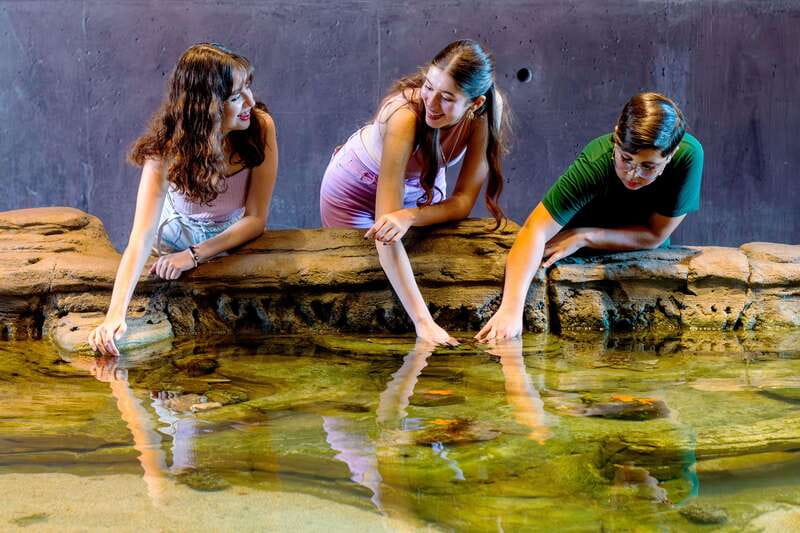
As you reach the intertidal zone, you get a chance to feel textures of some marine invertebrates like starfish. That hands-on moment is one of the visit’s most memorable values, especially if you’re traveling with kids.
Even if you don’t usually care about touch experiences, this one works because it fits the location. You’re moving from sand and dunes into the zone where creatures handle changing conditions, so the idea of “what they’re built for” lands more clearly.
Small tip: go slowly here. It’s easy to rush forward when you see the next tank, but this texture stop is a highlight for a reason.
The crash tank and Coral City: where the color hits
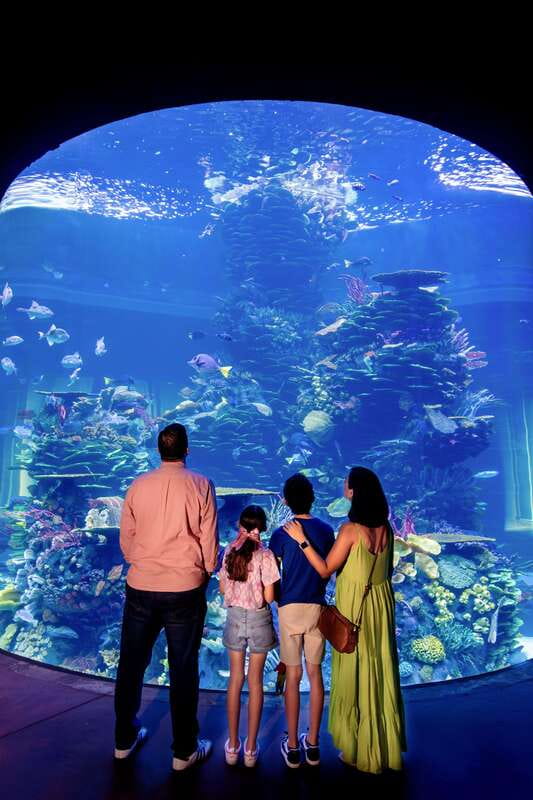
Then comes the crash tank. It’s designed to feel like wave energy, and it’s your transition into Coral City. This section is all about scale and sensation. It’s not just a backdrop, it’s a moment that makes you pause and look at the way the aquarium is staged.
After that initial impact, Coral City pulls you into a colorful world where you can reset your focus. You stop thinking like a spectator and start noticing the environment details that support sea life, even if you are just walking by.
Close by, worth a second look:
- Half-Day Tour to Tequila Factory and Villages from Mazatlan
★ 4.5 · 165 reviews - Horseback riding & Temazcal combo with lunch and mezcal tour
★ 4.5 · 107 reviews - Mazatlan: City Tour in a Traditional “Pulmonia” Open-Air Car
★ 4.6 · 97 reviews - Jungle and beach ATV tour + lunch + tequila tasting
★ 4.5 · 94 reviews
The Oceanic habitat: 42×23-foot views you can linger at
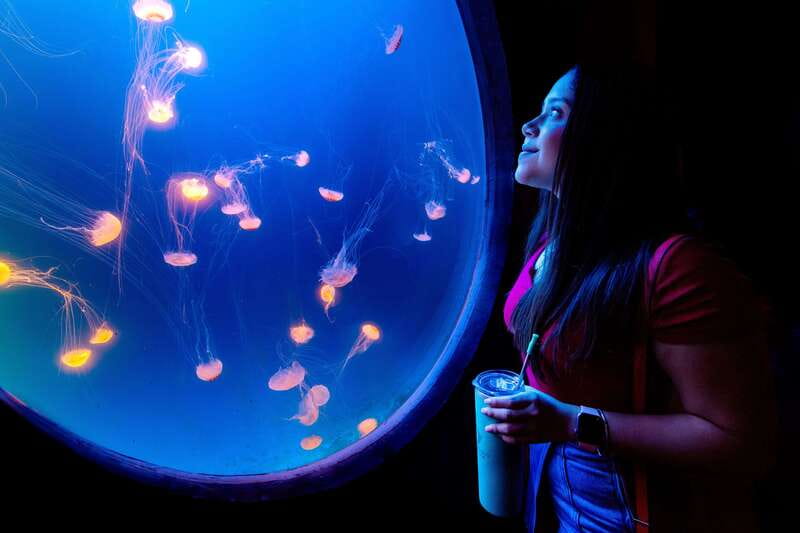
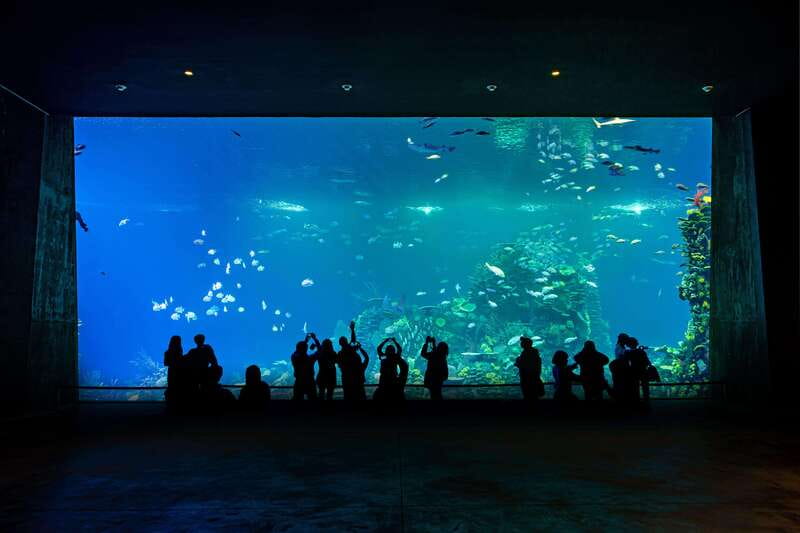
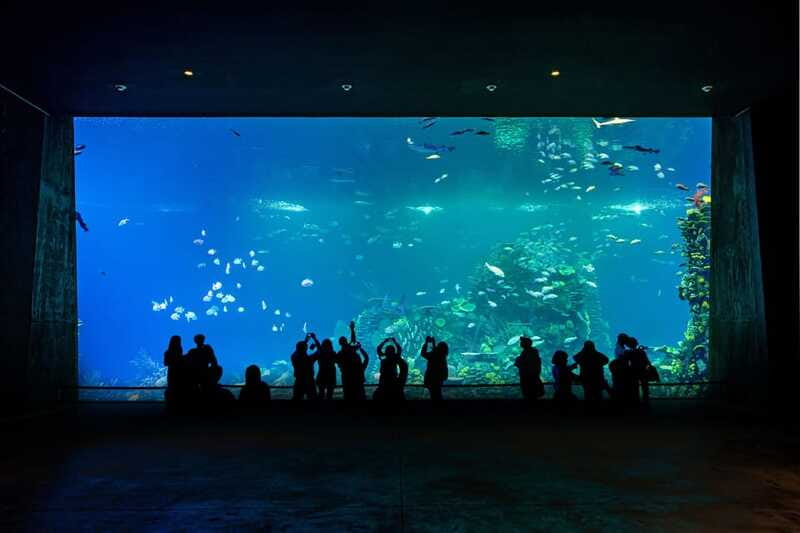
The centerpiece water showpiece is the Oceanic habitat with a 42×23-foot window. This kind of size matters because it changes how animals look in motion. Fish and larger swimmers feel less like they’re in separate boxes and more like they’re part of a real underwater space.
I like this habitat for what it gives you without extra effort. You don’t need to hunt for the best angle. You just have a big view and time to watch sharks, morays, jellyfish, and other marine creatures moving through the water.
If you’re sensitive to crowds, plan on taking a few breaks to let the viewing space settle. Big windows draw people, and it’s easier to enjoy the glass when you aren’t squeezed shoulder-to-shoulder.
Gardens and bird areas: the plant design does real work
After the sea-focused sections, the gardens bring you into a different mood. Regional plants decorate towering walls, creating an atmosphere like a long-forgotten ancient ruin. It’s a clever choice because it gives the bird and reptile sections a believable setting.
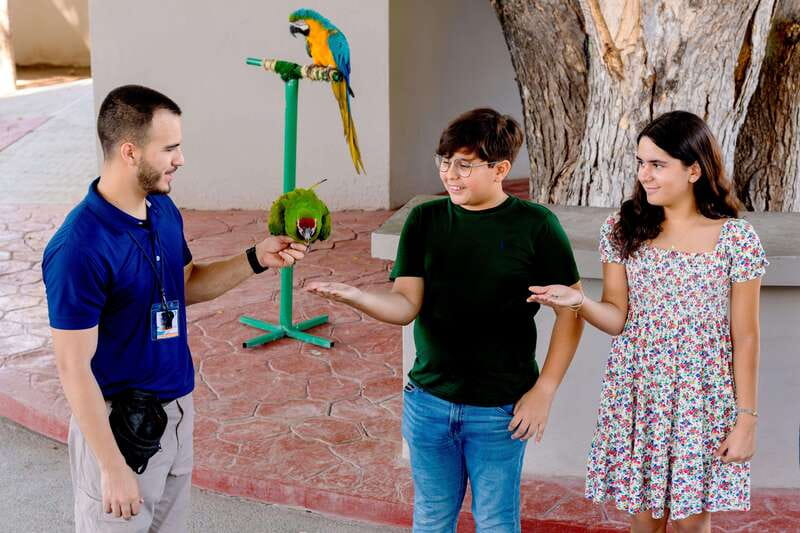
From the gardens, you can follow the path to the Guacamaya house. This is where you’ll find a great diversity of birds like macaws and parrots. The point here is variety of bird types, plus a chance to watch behavior in a themed space rather than only through glass.
Then you reach the Agapornis habitat. You can feed these lovely birds in the area concept, but feeding is listed as not included in this experience. So treat it as a viewing habitat. You can still enjoy the closeness and energy of the birds without expecting a hands-on feeding moment.
Humboldt penguins: included viewing, not hands-on interaction
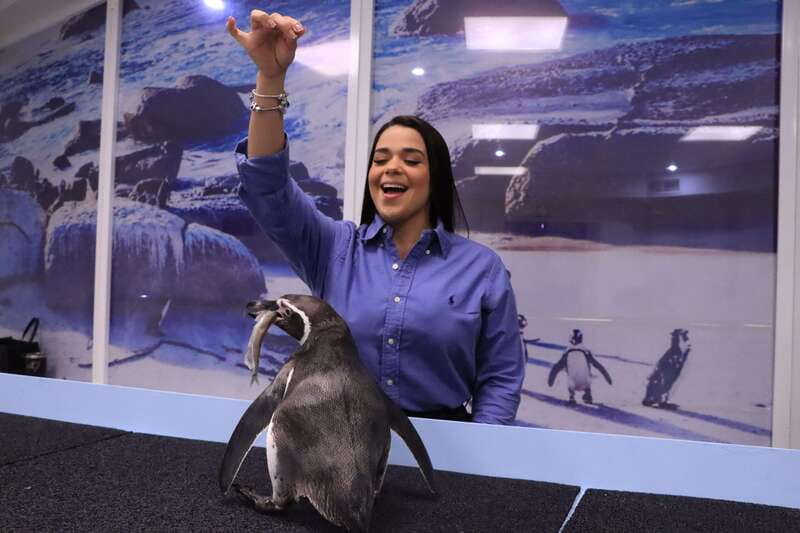
You can’t miss the tender residents section, especially the Humboldt penguins. The experience includes a visit to them, but it also clearly states that interaction with Humboldt penguins is not included.
What this means for you is simple. You should plan to enjoy the penguins as a viewing experience. If you’re hoping for close contact or handling, you will be disappointed because that part is not part of the ticket.
Also, based on what’s shown on some days, penguin access can vary. If penguins are the #1 reason you’re going, I’d build in a little flexibility and avoid booking this only on your last possible hour in Mazatlán.
California sea lions: watch the exhibition style

The California sea lions are another must-see, and their sea lions exhibition is included. This is where the aquarium switches from slow observation to performance energy, with the animals doing tasks that put their skills front and center.
If your group includes kids, this is often the moment that pulls them back into focus after you’ve spent time reading exhibit panels. Sea lions also tend to be easier for first-time aquarium visitors to connect with, because their behavior is quick and expressive.
Scuba diver show and rays: what you can see, what you cannot do
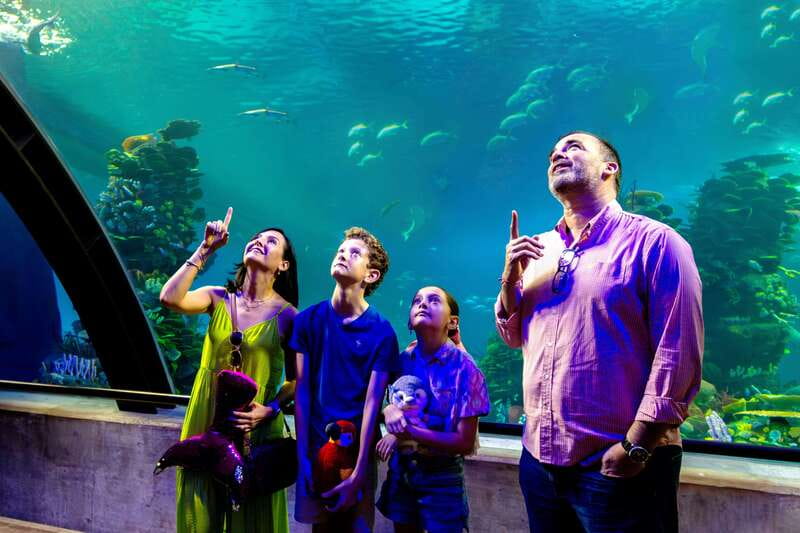
There’s an included scuba show that puts a diver into the water with the animals. One of the best parts here is that you can see rays during the show setup.
Important detail: rays feeding is not included. That means you can watch the feeding as part of the exhibition, but you shouldn’t expect to feed rays yourself. This is common in animal attractions for safety and animal welfare, and it still gives you the value of a close-up view without the pressure of an interaction.
Price and value: what $30 buys you in a full-day animal route
At around $30 per person for a 1-day experience, the value depends on what you want from an aquarium.
If you’re looking for a simple ticket to wander tanks, $30 might feel average. But if you want a structured walk with major “anchor” moments, it starts to look like a solid deal. Your admission includes:
- General entry to the main building and gardens
- A Humboldt penguin visit
- A sea lions exhibition
- A scuba show
- A bird theater
That package matters because it stacks multiple animal areas in one place. You’re not paying extra to get to the penguins, the bird show, and the sea lions performance. For families, that’s where the math gets friendly fast.
One more value angle: the aquarium isn’t only about one big tank. It’s designed as a journey, with desert-to-ocean staging plus gardens that keep the walking interesting.
Timing tips: how to get the most without rushing
This is a self-paced visit, but it still helps to arrive with a mindset. Start with your must-dos, then let the rest become bonus.
If penguins and the sea lions exhibition are your top priorities, plan your day so you’re not stuck in the gardens when the show times start. The same idea applies to the scuba show, since you’ll want to be in position to watch the water action.
Also, give yourself time for the intertidal zone and the huge Oceanic window. Those two are the kind of stops you enjoy more when you linger, not when you sprint.
Photography and animal rules you should follow
A few rules keep the visit smooth and respectful. Flash photography is not allowed, and drones are not allowed. Feeding animals is not allowed either.
These restrictions protect animals and keep photos honest. For your own comfort, I’d rely on steady phone settings and available light, and focus on capturing moments that don’t require flash.
Who this works best for
This experience fits best if you want a full-day aquarium with variety: marine animals, birds, and even reptile habitats in one route.
It’s especially good for:
- Families who want a day that includes both animals and multiple “wow” stops
- First-time aquarium visitors who benefit from a habitat-style journey
- People who like architecture and themed spaces, not just tanks
If you need a guided, uninterrupted walkthrough, or you were expecting hands-on feeding or interaction, you may feel limited. This is about watching, learning through exhibits, and following the path.
Should you book Gran Acuario Mazatlán?
I’d book it if you want a one-day animal outing with strong included highlights and a route that moves logically from land to coast to ocean. The 42×23-foot Oceanic window, the crash tank into Coral City, the intertidal texture moment, and the penguins plus sea lions exhibition are the big reasons to go.
Skip it or rethink your expectations if you only care about hands-on interaction, or if you’re the type who feels lost without a guide. This place is designed for independent exploration, and you’ll enjoy it most if you’re comfortable being your own navigator.
FAQ
How long is the Gran Acuario Mazatlán visit?
The experience is valid for 1 day.
Where do I meet for the experience?
Your meeting point is the main entrance.
What is included with general admission?
General admission includes access to the main building and gardens, plus visits and exhibitions such as Humboldt penguins, sea lions exhibition, the diving (scuba) exhibition, and bird theater.
Are penguin interactions included?
No. Interaction with Humboldt penguins is not included.
Is feeding rays included?
No. Rays feeding is not included.
Can I feed Agapornis birds?
No. Agapornis feeding is not included.
What is not allowed during the visit?
Drones and flash photography are not allowed, and feeding animals is not allowed.
Just added around Mazatlan
- Mazatlán: Shekinah Beach Club★ 4.8 · 27 reviews
- Mazatlan: City Tour in a Traditional “Pulmonia” Open-Air Car★ 4.6 · 97 reviews
- Mazatlan: Old Town Sightseeing and Golden Zone★ 4.7 · 34 reviews
- Mazatlán: Beach & Jungle ATV Tour w/ Lunch & Tequila Tasting★ 4.9 · 19 reviews
- Mazatlán: Double-Decker Bus, Cliff Diving & Walking Tour★ 3.8 · 37 reviews
- Mazatlan: Grand Aquarium Ticket and City Sightseeing Tour★ 3.8 · 32 reviews
- Jungle and beach horseback ride + lunch + mezcal★ 4.6 · 31 reviews
- ATV & Temazcal combo with lunch and Mezcal tour★ 4.0 · 40 reviews
Mazatlan Tours & Activities, compared.


Mazatlan City Sightseeing Tour with Shopping Time and Lunch
Read our review →
Mazatlan Sightseeing and Beach Activities All Inclusive
Read our review →
Half-Day Tour to Tequila Factory and Villages from Mazatlan
Read our review →
Horseback riding & Temazcal combo with lunch and mezcal tour
Read our review →
City Tour in a Traditional “Pulmonia” Open-Air Car
Read our review →
Jungle and beach ATV tour + lunch + tequila tasting
Read our review →
ATV & Temazcal combo with lunch and Mezcal tour
Read our review →Browse the lists this tour appears in