
Reviewed · SAN CRISTOBAL DE LAS CASAS TOURS
From San Cristóbal: Chamula and Zinacantán Guided Tour
Two Tzotzil towns in one focused day. I like the way the San Juan Chamula church visit feels calm and oddly spiritual, while the Zinacantán stop lets you watch craft on pre-Columbian waist looms. I also appreciate the guide-led context and the food moments, like a regional drink welcome and tortilla tasting. One catch: the church is a living place of worship, so you need to follow the rules, stay respectful, and leave the camera put away.
You ride in an air-conditioned minivan, with about 1.5 hours in Chamula and 1.5 hours in Zinacantán. It’s a good half-day format if you want real cultural contact without turning the day into a long bus tour.
In This Review
- Key highlights worth getting excited about
- A half-day format that works if you hate wasted time
- Meeting at Al Grano Café, then settling into the minivan pace
- San Juan Chamula church: the rituals feel real, not staged
- Why this stop is so valuable
- A real consideration
- Zinacantán: waist looms, co-op work, and a family kitchen moment
- The weaving cooperative experience
- Zinacantán church and community time
- The kitchen tasting moment
- Pox and coffee: small tastings that add a lot
- Practical tip for tastings
- Textile shopping in Zinacantán: how to buy well and stay grounded
- Who this tour suits best, and who should think twice
- Making the most of it: practical behavior that shows respect
- Price and value: does $32 make sense here?
- Guides you may meet: clear interpretation makes the day land
- Final call: should you book the Chamula and Zinacantán tour?
- FAQ
- Where is the meeting point for the tour?
- How long is the Chamula and Zinacantán guided tour?
- What is included in the price?
- Are food and drinks included?
- What languages are the guides?
- Can I bring a camera or record video?
- Do I need a passport or ID?
- Are there age restrictions for kids?
- What is the cancellation policy?
Key highlights worth getting excited about
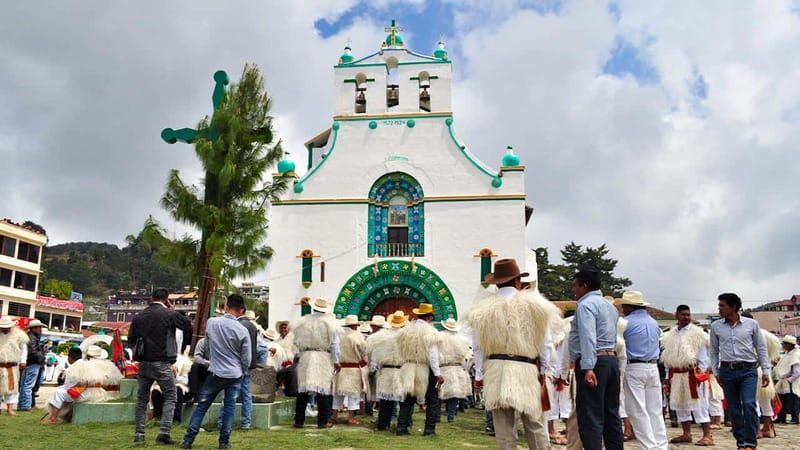
- San Juan Chamula church, with strict photography rules so you experience it without a screen
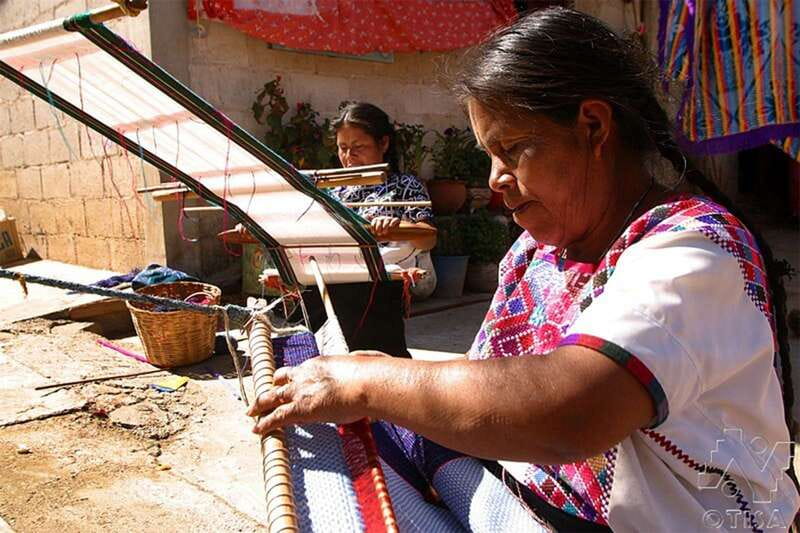
- Zinacantán women’s cooperative time, where weaving happens on waist looms you can actually see
- Hands-on cultural context from a live guide in English or Spanish
- Tortillas and local drink tasting moments that make the visit feel personal, not just observational
- Textile shopping with a direct link to the makers, so your purchase supports ongoing work
A half-day format that works if you hate wasted time
This trip is built for people who want substance in a short window. From San Cristóbal de las Casas, you leave for a day trip that’s long enough to feel like you visited two places, but short enough that you’re not wrecked afterward.
The schedule is straightforward: you travel to San Juan Chamula, spend time with guided interpretation, then head to Zinacantán for a second guided block. The transfer times are approximate, since traffic and time of day affect everything. Still, the day flows like it was designed around not rushing the key moments.
What I like most about the format is how it reduces the usual “arrive, wander, forget” problem. You’re not left figuring out what you’re looking at. You get explanations while you’re there, so the church rituals and weaving work make more sense on the spot.
Backup plans for San Cristobal De Las Casas
- San Cristóbal: Canyon, Viewpoints & Chiapa de Corzo Tour
★ 4.7 · 231 reviews - San Cristóbal: Agua Azul, Misol Ha, & Palenque Full-Day Tour
★ 4.4 · 226 reviews - Sumidero Canyon and Chiapa de Corzo Tour Compartido
★ 4.6 · 131 reviews
Meeting at Al Grano Café, then settling into the minivan pace
You meet at Al Grano Café (Portal Oriente 9, Col. Centro, San Cristóbal de las Casas). That’s helpful because you’re not hunting for a random pickup point.
Once you’re in the minivan, the pace is relaxed but purposeful. The ride is short enough that you’re not starting the day cranky, and long enough to reset your brain before you enter two very different spaces: a church-centered ritual environment in Chamula, then craft and community life in Zinacantán.
Bring comfortable shoes and comfortable clothes. You’ll be on your feet inside and outside for guided time. Also, pack light, because there are rules around filming and cameras, and you’ll want your hands free for shopping later.
San Juan Chamula church: the rituals feel real, not staged
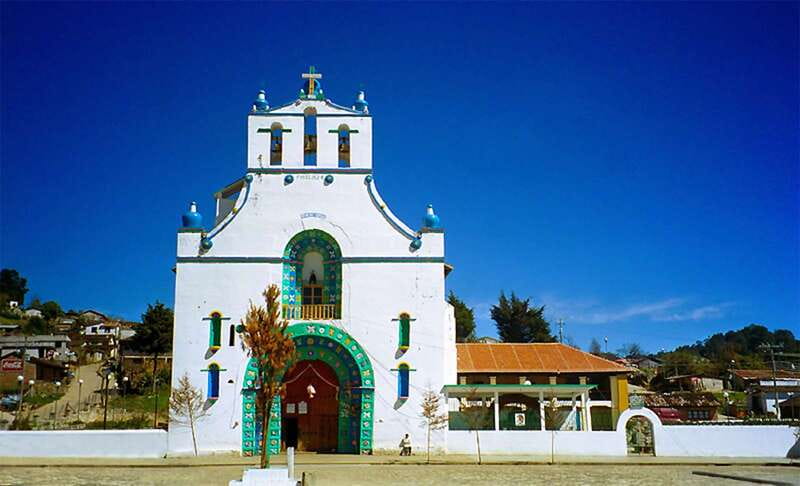
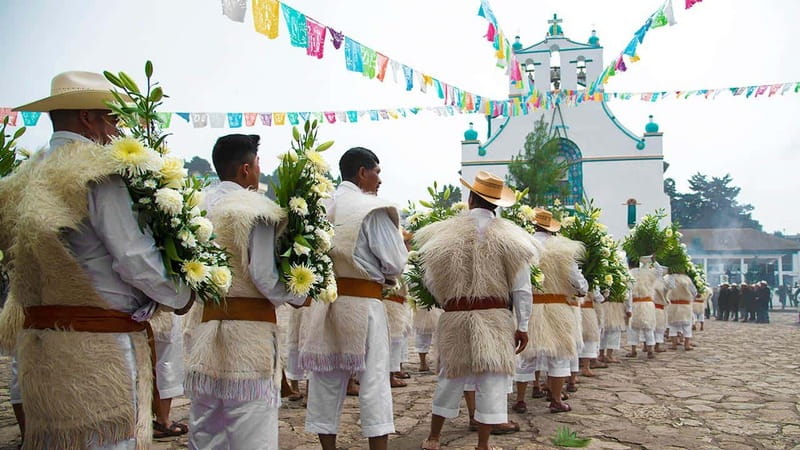
San Juan Chamula is often described as unusual, but the more helpful truth is this: it’s a functioning community with a living relationship to belief and ritual. The church visit is the heart of Chamula, and it’s guided for a reason.
What you’ll notice first is the atmosphere. Inside, the experience is quiet and rule-based. People are praying and performing rituals as part of their tradition. One recent guest mentioned the smell of pine leaves and the sight of candles, which lines up with the sensory side of what makes this visit memorable: you’re not just learning facts, you’re seeing how belief is expressed with everyday objects.
The rules matter here. Cameras and video recording are not allowed, so you need to plan to observe instead of document. That can feel strange if you’re used to photographing everything, but it also slows you down. You’ll likely remember more, because you won’t spend the whole time framing shots.
Why this stop is so valuable
This is one of those experiences where the guide changes everything. Several guides have been praised for explaining not just what you’re seeing, but why it matters to Tzotzil Maya life. If you go in expecting a typical tourist church, you’ll miss the point. If you go in expecting a place where locals worship in their own style, you’ll feel the meaning faster.
Close by, worth a second look:
- From San Cristobal: Sumidero Canyon & Chiapa de Corzo Tour
★ 4.6 · 102 reviews - From San Cristóbal: Agua Azul and Palenque Day Trip
★ 4.2 · 75 reviews - Sumidero Canyon, Miradores del Cañón and Pueblo Chiapa de Corzo.
★ 4.0 · 70 reviews - Montebello Lakes and Chiflon Day Tour from San Cristobal
★ 4.1 · 68 reviews
A real consideration
This church visit can feel uncomfortable at first, especially if you’re a visitor who likes to keep a clear line between observing and participating. Don’t try to “get closer” for photos or for better angles. Stand where the guide suggests, follow instructions, and treat it like you would in any place of worship: be respectful first, curious second.
Zinacantán: waist looms, co-op work, and a family kitchen moment
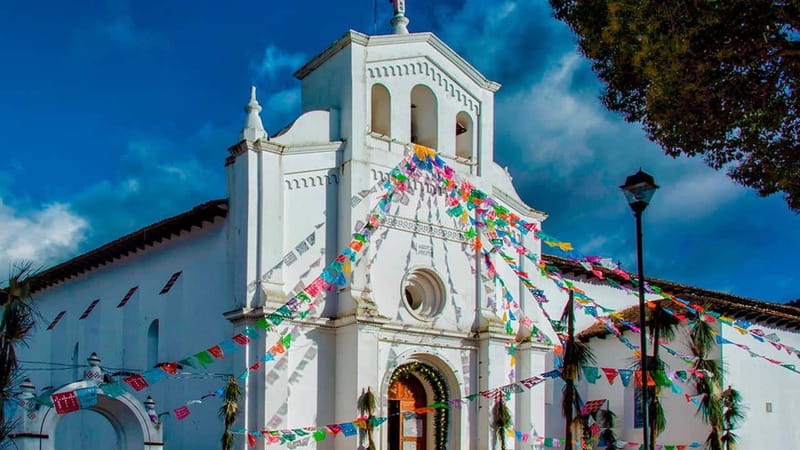
After Chamula, you head to Zinacantán, where the population is largely Tzotzil Maya. This is a different side of the day: less about a single ritual space, more about craft and community rhythms.
The weaving cooperative experience
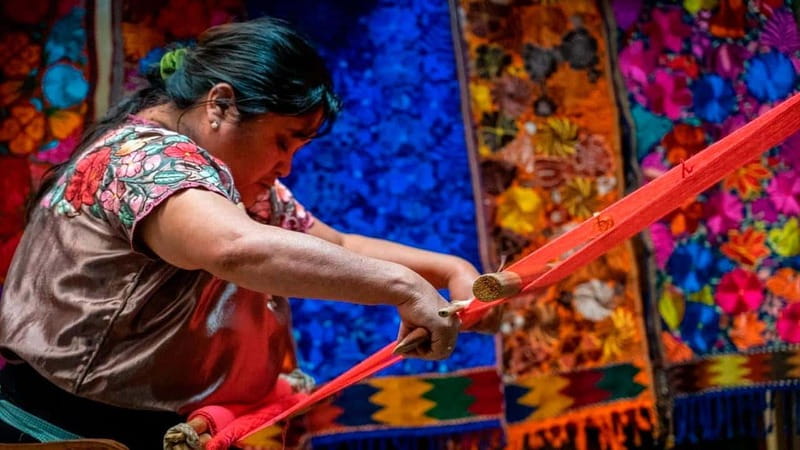
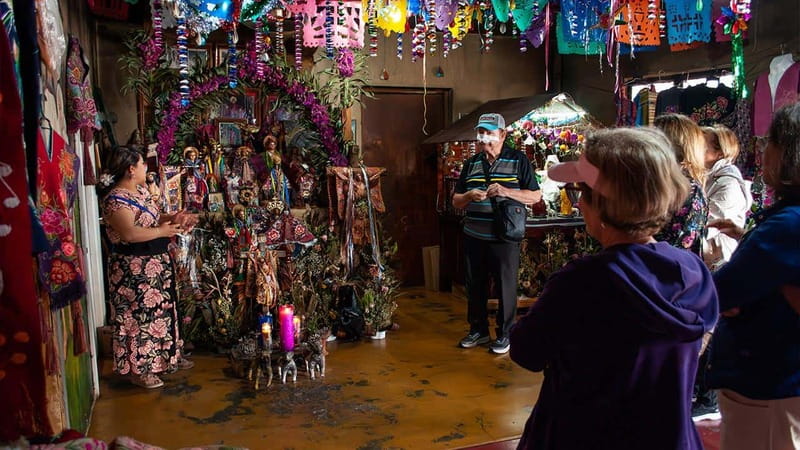
You’ll visit a co-operative connected to weaving and traditional textiles. The best part is that you can watch the women at work on pre-Columbian waist looms. This is not a rushed “look at a sample then buy” situation, at least not by design. The loom itself is the story. You see how technique and patience are built into the process, and you understand why these textiles have value beyond decoration.
That said, the experience can vary in depth. One guest felt the weaving demonstration was brief and wanted more explanation. If you’re the type who loves slow, detailed craft commentary, arrive with questions in mind, like how patterns are chosen or how long pieces take to make. A good guide will usually try to fill in the gaps.
Zinacantán church and community time
The tour also includes time at a church in Zinacantán, plus a visit connected to a family co-operative. The description emphasizes that you’re welcomed, and the goal is to show the mix of tradition in daily life.
Even if you’re not a “religion person,” the church stop helps you connect the dots: Chamula’s ritual environment and Zinacantán’s community life are part of the same cultural worldview expressed in different settings.
The kitchen tasting moment
One of the nicest parts of Zinacantán is the invitation into the kitchen area for traditional handmade tortillas. This is the kind of tasting that feels practical, not performative. You’re getting a real edible example of everyday food traditions, and it breaks up the day in a friendly way.
Food on this tour is a bit nuanced. The listing notes that food and drinks are not included, but the tour description clearly includes a regional drink welcome and tortilla tasting. So think of it like tastings included, not a full meal plan.
Pox and coffee: small tastings that add a lot
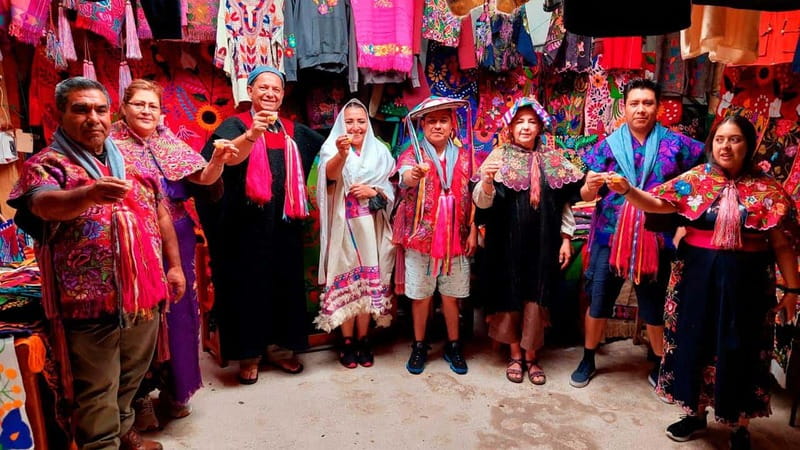
Several guests highlight tasting pox, a local liquor, as a fun moment of the day. If you’re not sure what you’ll be offered, expect a regional drink welcome, and be ready for that could include pox.
Taste stops matter on cultural tours. They turn learning into a sensory memory. Coffee, for example, shows up in guest comments as delicious. And some people also mention small bites alongside the tastings, like tortillas plus simple savory add-ons. Either way, treat these as bonuses, not your entire meal.
Practical tip for tastings
If you’re sensitive to alcohol, eat lightly beforehand and go slow during any pox tasting. Also, bring water if you can, since bottled water is not listed as included.
Textile shopping in Zinacantán: how to buy well and stay grounded
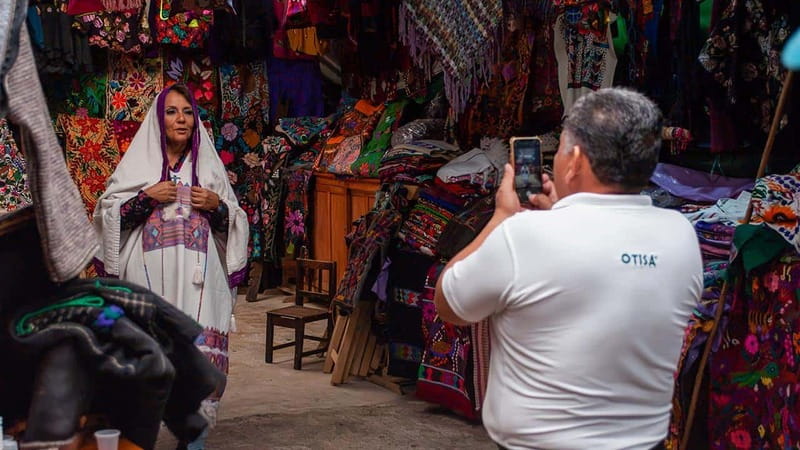
Shopping is part of Zinacantán for a reason. You’re meeting Tzotzil Maya artisans and seeing the work up close, so it’s easier to understand what you’re supporting.
A few things to keep your expectations clear:
- Some part of the cooperative visit may feel sales-focused, since textiles are the product.
- Prices you see there can be higher than what you might find later in town, especially if you’re buying directly from the co-operative.
The best way to handle this is simple: shop with a checklist, not a mood.
- Check what you’re buying, like whether it’s a smaller item or a larger textile piece.
- Ask how the textile is made, what’s special about the pattern, and what you should know about care.
- Decide if you want one meaningful item or several smaller souvenirs. A single solid piece often feels more “worth it” than many smaller purchases.
Also, if you’re offered a chance to try on traditional clothing, treat it as a respectful cultural interaction. Try it on if you genuinely want to, then buy only if it feels right for your budget.
Who this tour suits best, and who should think twice
This is a great fit if you want:
- Guided context in English or Spanish while you’re in the places
- A day trip that includes both San Juan Chamula church and Zinacantán craft life
- An experience that goes beyond looking at souvenirs, including hands-on observation of weaving and a tortilla tasting
It may be less ideal if you:
- Really dislike churches or ritual environments
- Want nonstop photo opportunities. You will not get them. Cameras and video recording are not allowed where needed.
- Get annoyed by craft shops that may include some selling talk. This is the risk of buying directly from a working community, and it can vary day to day.
Making the most of it: practical behavior that shows respect
This is where you can turn a good day into a great day.
1) Follow the camera rules without arguing. The church experience is meant to be lived, not filmed. If you’re tempted to take a quick shot, don’t. Save it for outside.
2) Keep your questions focused. Good guides do best when you ask with purpose. Ask about what you’re seeing, how weaving works, or what certain traditions mean in daily life.
3) Dress for comfort, not for photos. You’ll spend real time on your feet. Also, the trip operates in all weather conditions, so dress appropriately.
4) Be patient with the pace. Two towns and two guided blocks means you’re moving through the day. The goal is depth, not rushing.
5) Bring ID. You’ll need a passport or an ID card.
Price and value: does $32 make sense here?
At $32 per person for a 5-hour guided trip, the value is pretty strong on paper, mainly because you’re getting:
- Air-conditioned minivan transportation
- A live guide
- Entrance fees
The “value” question is really about what you give up and what you gain. You do give up food and drinks being fully included as a meal. But you gain two big things that most low-cost trips skip: serious guided interpretation and access to community craft work rather than a quick photo stop.
In other words, you’re paying for context and entry, not for a packed lunch. Plan to cover any extra snacks you want, and treat the tastings as part of the cultural experience rather than your full meal plan.
Guides you may meet: clear interpretation makes the day land
Language support is part of the deal: guides are available in English and Spanish. Based on the names people have credited, guides such as Miguel and Alonso are praised for explaining what you see and keeping things engaging.
The practical takeaway for you: if you want the day to click, show up ready to listen. This trip is strongest when you treat the guide as part of the experience, not just a driver with facts.
Final call: should you book the Chamula and Zinacantán tour?
I think you should book this tour if you want a compact day trip that hits the big cultural markers of Chiapas: San Juan Chamula and Zinacantán. The church visit and the weaving cooperative time are the two pillars, and the guide makes both easier to understand. The tortilla tasting and regional drink moments add a human touch without turning the trip into a meal tour.
Skip it, or choose it with clear expectations, if you need lots of personal shopping time, if you hate any restrictions on cameras, or if you’re uncomfortable with ritual spaces where locals worship.
If you want your time in San Cristóbal to feel real and specific, this is one of the better ways to do it in a half day.
FAQ
Where is the meeting point for the tour?
You meet at Al Grano Café, Portal Oriente 9, Col. Centro, San Cristóbal de las Casas.
How long is the Chamula and Zinacantán guided tour?
The total duration is 5 hours.
What is included in the price?
The price includes transportation by air-conditioned minivan, a live guide, and entrance fees.
Are food and drinks included?
Food and drinks are not listed as included. The tour description does include a regional drink welcome and a traditional tortilla tasting.
What languages are the guides?
The live tour guide is available in English and Spanish.
Can I bring a camera or record video?
No. Video recording and cameras are not allowed.
Do I need a passport or ID?
Yes. You should bring a passport or an ID card.
Are there age restrictions for kids?
Unaccompanied minors are not allowed, and children must be accompanied by an adult.
What is the cancellation policy?
You can cancel up to 24 hours in advance for a full refund.
Just added around San Cristobal De Las Casas
- Sumidero National Park Full-Day Trip from San Cristobal★ 4.4 · 66 reviews
- Sumidero Canyon & Chiapa de Corzo from San Cristobal★ 3.4 · 20 reviews
- San Cristobal: Zinacantan and San Juan Chamula Tour★ 4.0 · 38 reviews
- San Cristobal: Sumidero Canyon, Chiapa de Corzo, & Miradores★ 4.4 · 63 reviews
- Montebello Lakes and Chiflon Day Tour from San Cristobal★ 4.1 · 68 reviews
- From San Cristóbal: Agua Azul and Palenque Day Trip★ 4.2 · 75 reviews
- San Cristobal: Cascadas de Chiflon and Lagos de Montebello★ 4.3 · 44 reviews
- From San Cristobal: Chiflon and Lakes of Montebello Tour★ 4.3 · 19 reviews
San Cristobal de las Casas Tours, compared.
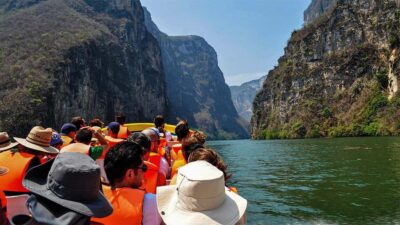
San Cristóbal: Canyon, Viewpoints & Chiapa de Corzo Tour
Read our review →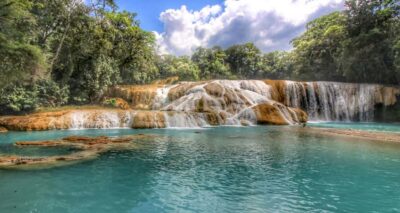
San Cristóbal: Agua Azul, Misol Ha, & Palenque Full-Day Tour
Read our review →
Sumidero Canyon and Chiapa de Corzo Tour Compartido
Read our review →
From San Cristobal: Sumidero Canyon & Chiapa de Corzo Tour
Read our review →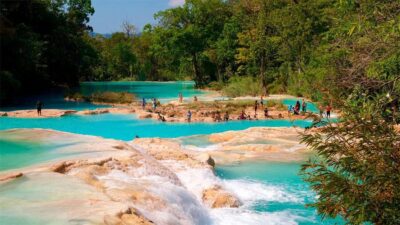
From San Cristóbal: Agua Azul and Palenque Day Trip
Read our review →
Sumidero Canyon, Miradores del Cañón and Pueblo Chiapa de Corzo.
Read our review →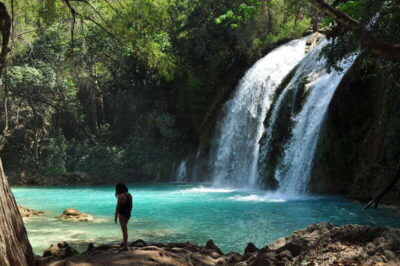
Montebello Lakes and Chiflon Day Tour from San Cristobal
Read our review →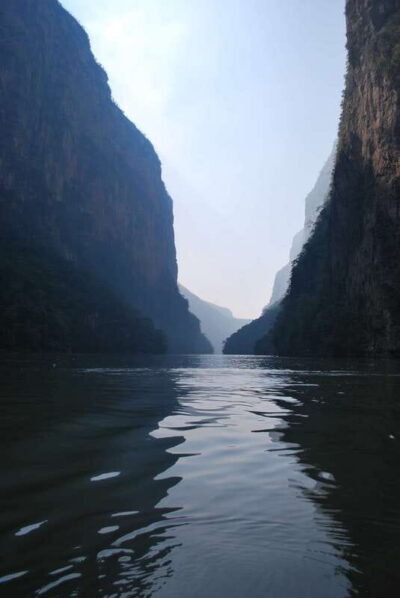
Sumidero National Park Full-Day Trip from San Cristobal
Read our review →Browse the lists this tour appears in