
Reviewed · QUERETARO TOURS
Desde Querétaro: San Miguel de Allende, Dolores y Atotonilco
Independence in three towns beats reading history books. I like the way this route connects the insurgent movement across Querétaro, Dolores, and Atotonilco, and I also love the visual payoff of viceregal and Baroque architecture in one day. The tradeoff is simple: it is a packed 9-hour day, and you may not get long, sit-down time inside every site.
You start in Querétaro at the heart of the story, then you ride to San Miguel de Allende for streets and mansions, and finish in Atotonilco for its famous Baroque wall art, tied to Miguel Hidalgo and the Virgin of Guadalupe.
In This Review
- Quick hits
- How this 9-hour route tells Mexico’s independence story
- Starting in Querétaro at Casa de la Corregidora
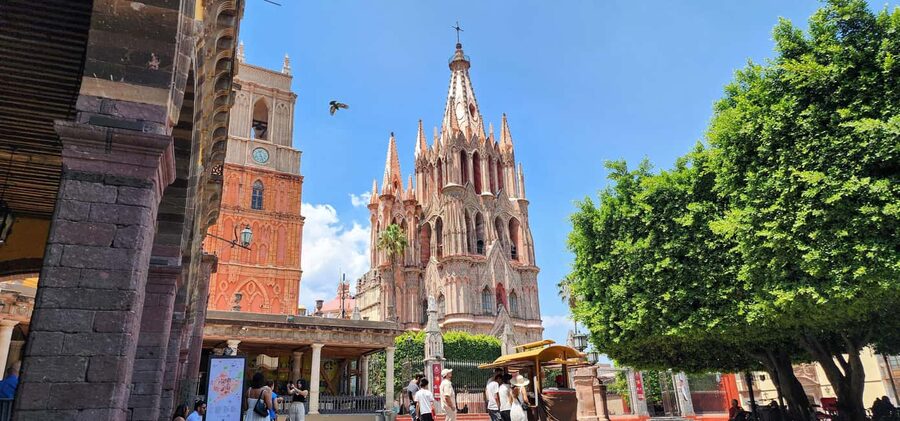
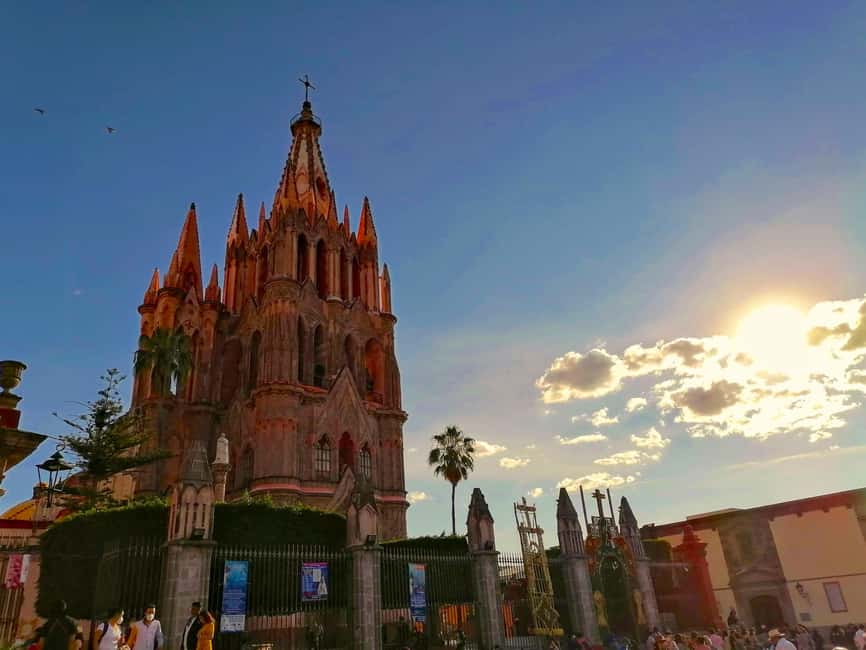
- San Miguel de Allende: streets, mansions, and viceregal views
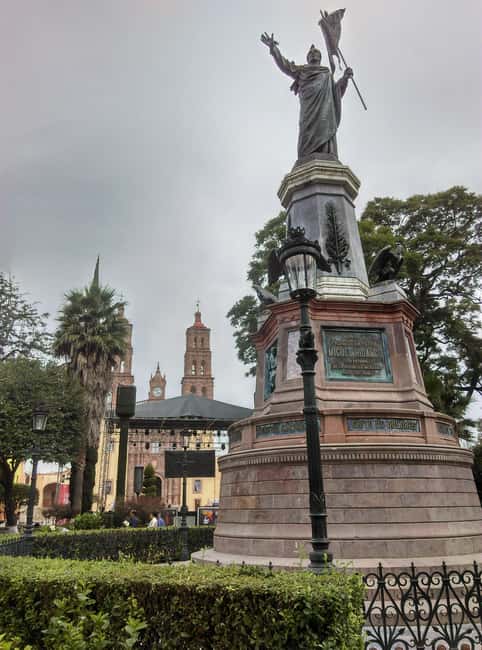
- Dolores Hidalgo: the Cry of Independence and a touch of pop culture
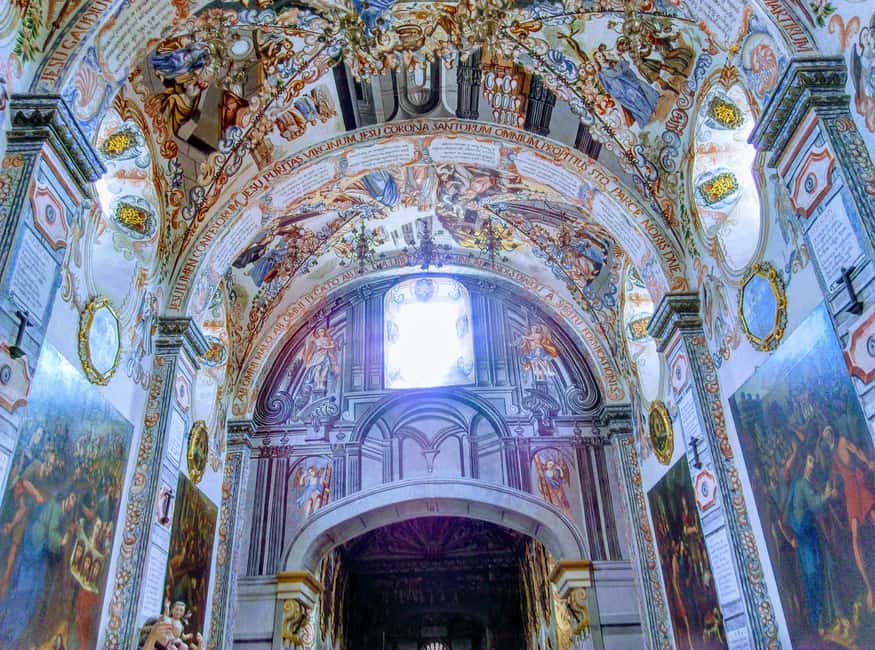
- Atotonilco: the Mexican Sistine Chapel and Baroque fresco power
- What the guided visits and access actually give you
- Price and value: is $96 for nine hours a good deal?
- Who this tour suits best, and who should skip it
- Tips to make the most of your independence circuit
- Should you book this Querétaro, San Miguel de Allende, Dolores, and Atotonilco tour?
- FAQ
- Where does the tour take place?
- How long is the tour?
- How much does it cost?
- Is food and drinks included?
- What is included in the tour price?
- What languages are available for the live guide?
- What are the main stops during the tour?
- Can I cancel for a full refund?
- Can I reserve and pay later?
- How do I know what time the tour starts?
Quick hits
- Casa de la Corregidora in Querétaro, where the independence story is framed from the main square
- San Miguel de Allende’s streets and mansions, with a focus on viceregal architecture
- Dolores Parish, connected to the Cry of Independence
- Jose Alfredo Jiménez pantheon, a music-and-memory stop you do not usually see on standard history trips
- Atotonilco’s Mexican Sistine Chapel, known for dramatic Baroque frescoes
- Miguel Hidalgo and the Virgin of Guadalupe banner site, a clear historical stop with strong religious symbolism
How this 9-hour route tells Mexico’s independence story
This tour works because it is not just sightseeing. The day is built like a timeline you can walk through. You begin where the insurgency was forged, then the stops keep moving you toward the moment the country’s independence story became unavoidable.
You will likely enjoy the fact that the guide keeps switching gears on purpose. One stop is about civic history. Another is about religious art. Then you get craft and gastronomy context, so you are not just staring at buildings, you are learning what shaped daily life in these places.
It is a long day, so plan like a city-person. Wear comfortable shoes, and be ready for a schedule that prioritizes seeing several major landmarks over lingering for hours.
Backup plans for Queretaro
- Querétaro: City Tour in a Classic Ford T Vehicle
★ 4.7 · 229 reviews - Walking Tour: Temples and Convents (Western Zone)
★ 4.8 · 112 reviews - Santiago de Querétaro: Pueblos Mágicos Cheese and Wine Route
★ 4.8 · 96 reviews
Starting in Querétaro at Casa de la Corregidora
Querétaro is where the route grabs you. The tour starts in the main square at Casa de la Corregidora, a meaningful starting point because you begin with the political and social setting that fueled the insurgent movement.
Why this first stop matters: it gives you a reference point before the day gets scenic. When you later see cathedrals, plazas, and symbolic religious sites in other towns, you understand what those visuals meant in the independence era. Without that context, you might see just another church façade. With it, you see why independence needed both people and place.
You also get a classic foundation before the road trip. You are oriented to the geography and the “why” of the day, then you board the vehicle to move toward San Miguel de Allende.
San Miguel de Allende: streets, mansions, and viceregal views
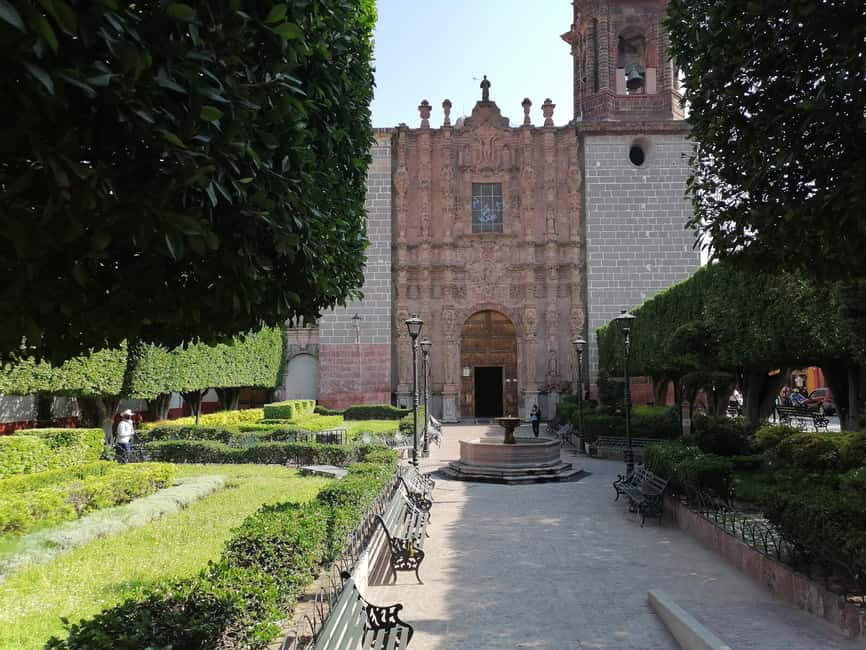
Once you reach San Miguel de Allende, you will walk through the town’s streets and around its historic mansions. The description highlights viceregal architecture, and that is the right focus. This is not the time for random strolling. You want to pay attention to how the style tells you about wealth, power, and taste during colonial rule.
What I like about this part of the tour is the balance. You are not only looking at big monuments. You are moving through everyday streets where the architecture is constantly reminding you that the city grew, adapted, and stayed influential.
If you are the type who enjoys photo spots but also wants meaning, this stop is a good match. The guide’s framing can turn a colorful façade into a lesson about the period that produced it.
A small drawback to consider: on a 9-hour itinerary, you might only have limited time in any one place. If your dream is slow coffee breaks and deep museum time, you may need to add extra nights in San Miguel on your own.
Dolores Hidalgo: the Cry of Independence and a touch of pop culture
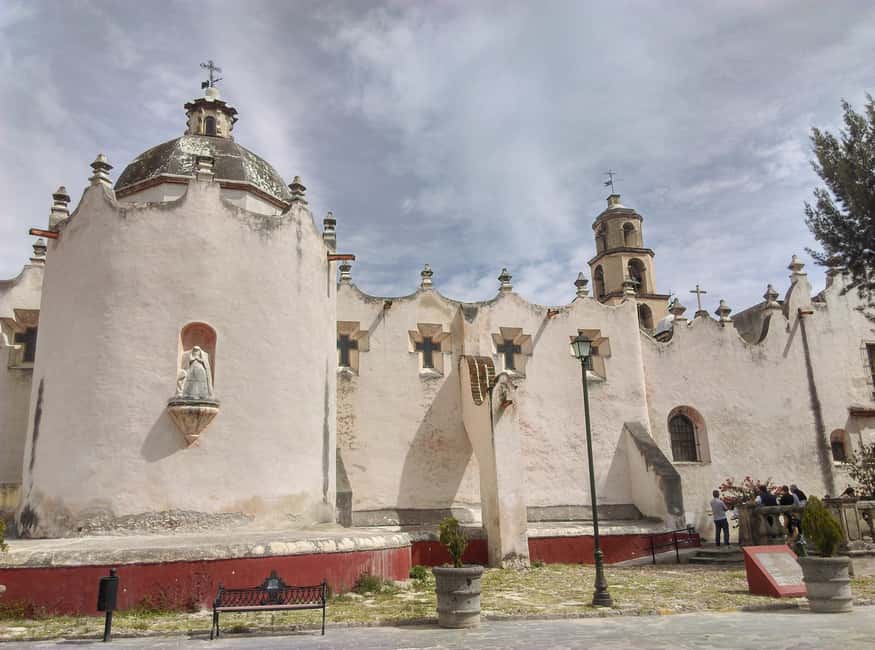
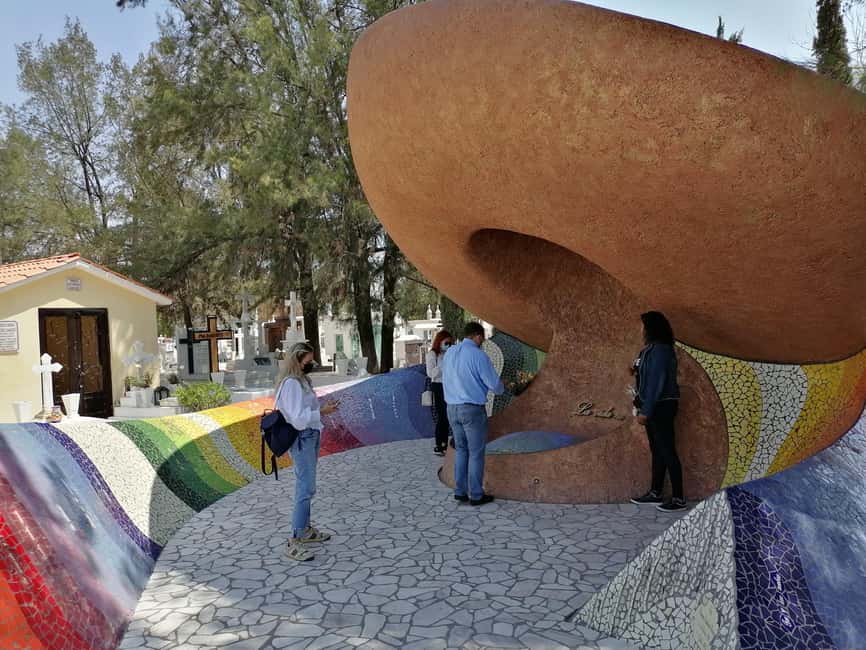
Dolores is where the day gets emotionally direct. You visit the Parish that witnessed the Cry of Independence, and then you explore the streets and key landmarks that keep the memory alive.
This stop matters because it connects public history to a very specific location. You are not asked to imagine the setting. You are shown the site tied to the moment of rupture, and the rest of the day starts to feel more connected.
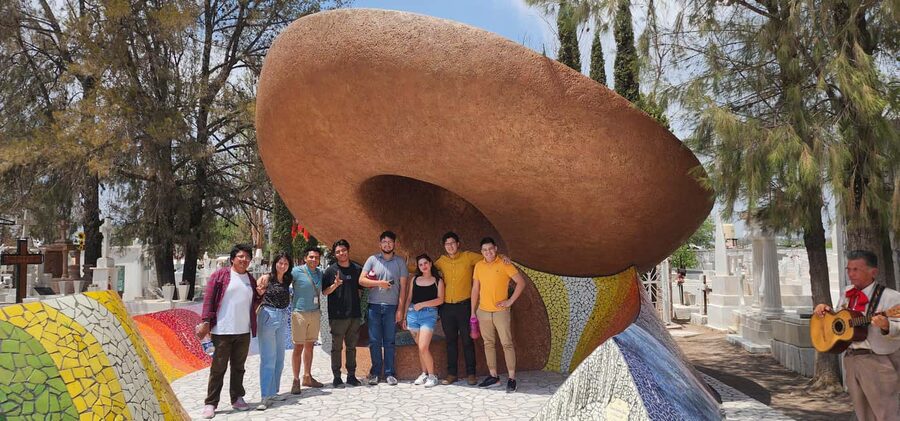
A unique bonus here is the pantheon that protects the memory of José Alfredo Jiménez. That is not a typical independence-tour detail, and it helps make Dolores feel human. It reminds you that the story of Mexico is carried by more than political documents. It is also carried by songs, families, and local memory.
You also visit the parish of Dolores, which reinforces the theme: faith and identity were intertwined, then and now.
In practical terms, this is a good place to slow down slightly with your camera. Pay attention to the town square atmosphere and the church exteriors, since those tend to be where the light and the symbolism line up.
Close by, worth a second look:
- Querétaro: Tranvia Classic Trolley Car Guided Tour
★ 4.6 · 47 reviews - Querétaro: Leyendas Santiago de Querétaro. El Tour
★ 4.7 · 46 reviews - Querétaro: Bernal & Tequisquiapan Trip with Wine & Cheese
★ 4.6 · 29 reviews - Queretaro Sierra Gorda Complete Tour
★ 5.0 · 27 reviews
Atotonilco: the Mexican Sistine Chapel and Baroque fresco power
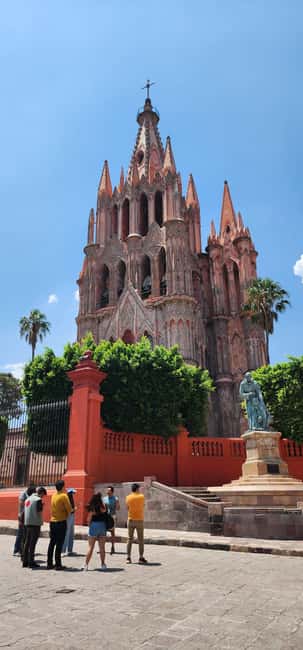
Then comes Atotonilco, and it is the visual heavyweight of the day. The tour calls it the Mexican Sistine Chapel, which is a useful shorthand. You are going for Baroque wall art that fills the visual space with religious storytelling.
The highlight is the Sanctuary of Atotonilco and its stunning Baroque frescoes. One of the strongest details from guide feedback is how the frescoes are described as essentially the life work of an amazing local artist. Even when full biographical details are limited, the artwork itself carries the weight. That is why the stop lands so well. You can appreciate the skill without needing a long art history lecture first.
You also visit the site where Miguel Hidalgo took the banner of the Virgin of Guadalupe. This is more than a photo moment. It ties the religious imagery to the independence movement through a specific action, giving the sanctuary its political and spiritual meaning at the same time.
If you have ever wondered why Mexican Catholic art can feel so dramatic, this is where you see the logic. It is built to be seen and felt. Plan to look carefully rather than rushing past.
What the guided visits and access actually give you
This tour includes a tourist guide, transportation, guided visits, and access. Those words matter because they separate a structured day from a loose day where you depend entirely on your phone.
Here is what you benefit from in real life:
- You get context that makes the buildings feel less random.
- You get a flow that keeps you from wasting time figuring things out between towns.
- You get guide-led navigation at the sites, which helps when places are large, symbolic, or simply easy to get confused in.
The live tour guide can speak Spanish and English, which is ideal for couples or friends who do not want a “one-size-fits-all” audio experience. It also tends to make questions more natural.
In one experience described by an English-speaking guide, Jesus was praised for being articulate and accommodating, with a driver named Alejandro described as polite and conscientious. Another guide, Carlos, was noted for passion and historical significance. The point for you: this provider seems to staff the experience with people who actually care about the story.
Price and value: is $96 for nine hours a good deal?
At $96 per person for a 9-hour day, you are paying for three things: transport between towns, guided interpretation, and access to multiple major landmarks in a single outing.
That is good value if you fit one of these profiles:
- You have limited time and want the independence route without stitching it together yourself.
- You prefer guided context over self-guided wandering.
- You want a mix of architecture, religious sites, and cultural history in one day.
It is less of a bargain if you already know the independence basics and prefer to spend long hours inside one site. This is not a slow museum day. It is a structured circuit.
Also remember: food and drinks are not included. That affects value more than people think. You will want to budget for meals or snacks so the day stays pleasant and not stressful.
Who this tour suits best, and who should skip it
This itinerary is a strong match for you if you:
- Enjoy walking tours and want a guide to point out what matters.
- Want a clear narrative connecting Querétaro, Dolores, and Atotonilco.
- Like architecture with meaning, not just pretty buildings.
- Are comfortable with a full day that moves.
It might not fit you as well if:
- You hate tight time windows and want long, quiet visits.
- You need lots of free time for shopping or independent detours.
- You are traveling with very small kids or anyone who needs frequent breaks, since the day is built around multiple stops.
If you are a couple, it can also feel more relaxed when the group is small. One account described the experience as intimate and casual with just two people, and that usually helps with conversation and questions.
Tips to make the most of your independence circuit
A great day like this still runs on small practical choices. I recommend you do these things before you go.
- Bring water. With no included food, hydration becomes your job.
- Wear shoes you trust. Cobblestones and church-site walking add up fast.
- Have a camera ready but not glued to it. At Atotonilco especially, you will see more when you pause and look.
- Listen for the story link. The tour is designed to connect events, not just locations.
If you do those basics, you will likely come away feeling like you saw more than monuments. You will feel you understood the thread that ties the day together.
Should you book this Querétaro, San Miguel de Allende, Dolores, and Atotonilco tour?
I would book this tour if you want a guided, history-forward route that combines independence sites with standout Baroque art and viceregal architecture, all in one efficient day. The guide talent highlighted in real experiences, plus the way the stops are connected by theme, makes it a good use of limited time.
You might skip it if you want a slow pace, long entries, and full freedom to linger. It is a packed itinerary, and the value depends on you being okay with that.
If you are on the fence, a simple rule helps: if you like guided storytelling and you plan for snacks and water, this is a smart day trip. If you prefer to travel at your own speed with fewer structure cues, you may enjoy a slower, overnight plan instead.
FAQ
Where does the tour take place?
It takes place in Guanajuato, Mexico, covering Querétaro, San Miguel de Allende, Dolores, and Atotonilco.
How long is the tour?
The duration is 9 hours.
How much does it cost?
The price is $96 per person.
Is food and drinks included?
No. Food and drinks are not included.
What is included in the tour price?
It includes a tourist guide, transportation, guided visits, and access.
What languages are available for the live guide?
The live tour guide is available in Spanish and English.
What are the main stops during the tour?
Key stops include Casa de la Corregidora in Querétaro, San Miguel de Allende, Dolores (including the Parish tied to the Cry of Independence), the pantheon connected to José Alfredo Jiménez, and Atotonilco (including the Mexican Sistine Chapel area and the site linked to Miguel Hidalgo taking the banner of the Virgin of Guadalupe).
Can I cancel for a full refund?
Yes. Free cancellation is available up to 24 hours in advance for a full refund.
Can I reserve and pay later?
Yes. You can reserve now and pay later.
How do I know what time the tour starts?
The duration is 9 hours, and you should check availability to see starting times.
Just added around Queretaro
- Querétaro: Leyendas Santiago de Querétaro. El Tour★ 4.7 · 46 reviews
- Queretaro Sierra Gorda Complete Tour★ 5.0 · 27 reviews
- Querétaro: Bernal & Tequisquiapan Trip with Wine & Cheese★ 4.6 · 29 reviews
- Santiago de Querétaro: Pueblos Mágicos Cheese and Wine Route★ 4.8 · 96 reviews
- Querétaro: Tranvia Classic Trolley Car Guided Tour★ 4.6 · 47 reviews
- Walking Tour: Temples and Convents (Western Zone)★ 4.8 · 112 reviews
- Querétaro: City Tour in a Classic Ford T Vehicle★ 4.7 · 229 reviews
Queretaro Tours, compared.
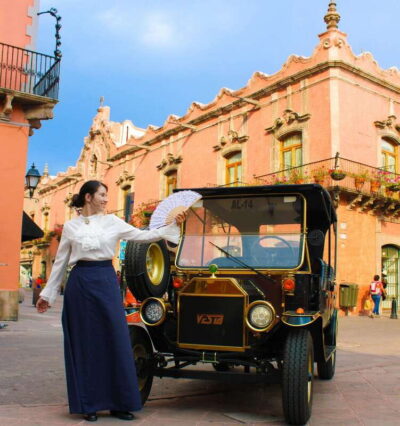
Querétaro: City Tour in a Classic Ford T Vehicle
Read our review →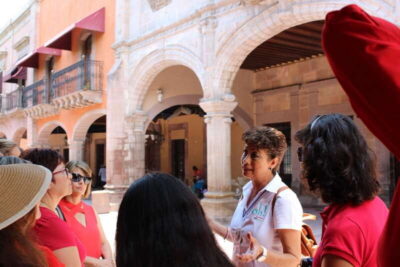
Walking Tour: Temples and Convents (Western Zone)
Read our review →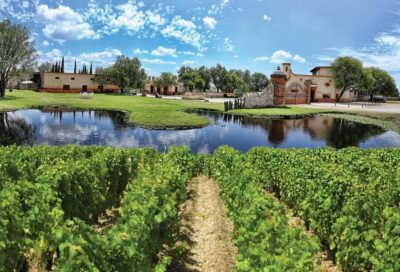
Santiago de Querétaro: Pueblos Mágicos Cheese and Wine Route
Read our review →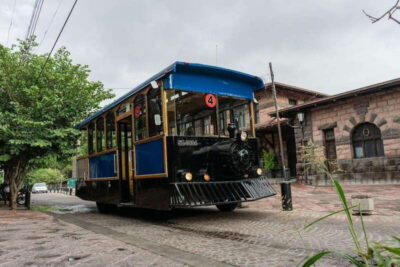
Querétaro: Tranvia Classic Trolley Car Guided Tour
Read our review →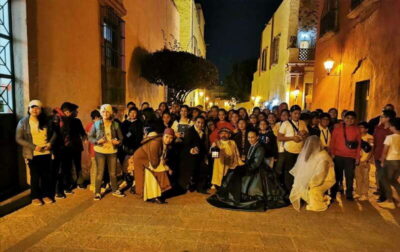
Querétaro: Leyendas Santiago de Querétaro. El Tour
Read our review →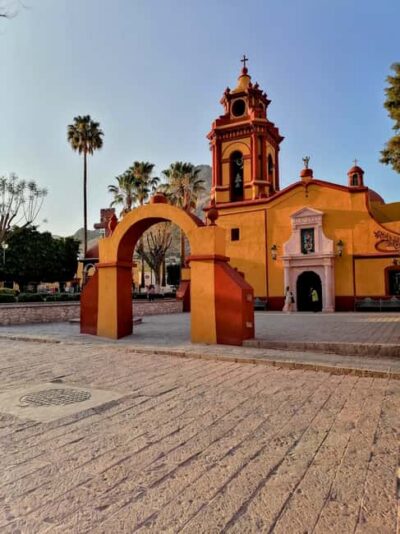
Querétaro: Bernal & Tequisquiapan Trip with Wine & Cheese
Read our review →
Browse the lists this tour appears in