
Reviewed · CHICHEN ITZA TOURS & TICKETS
Chichen Itza: Self-Guided Tour with Audio Narration & Map
Chichen Itza, but on your terms. This self-guided audio tour turns the ruins into a stop-by-stop experience using GPS and an offline map. You follow a recommended path, listen as you reach each spot, and get context for major structures.
What I like most is the offline GPS setup. Once you download in advance, the tour runs without needing data or roaming, so you are free to wander without worrying about coverage.
My one real caution is simple: you still need to buy Chichen Itza admission. And if your phone battery is weak, GPS plus audio can drain it, so plan for charging and solid headphones.
In This Review
- Key takeaways before you go
- What You’re Really Buying With This Offline Audio Tour
- Price and Value: Why $9.99 Can Beat a Private Guide
- Getting Started: Setup Steps That Avoid 90 Percent of Hassle
- Walking the Chichen Itza Route: Time, Pace, and What It Feels Like
- Stop-by-Stop: What You’ll See and Learn at Chichen Itza
- Handicraft Market: Start With Context and Direction
- Guías oficiales de la Z. A. de Chichén Itzá Tu Guía Yucatán: A Quick Intro Mindset
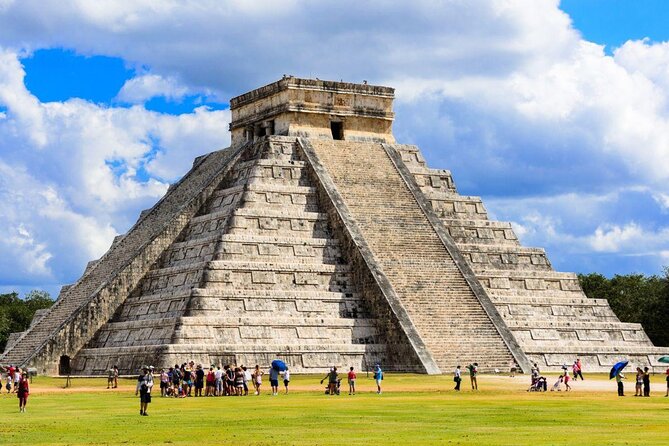
- El Castillo: The Landmark Everyone Talks About
- Gran Juego de Pelota: Ball Court Reliefs You Can Actually Spot
- Tzompantli: The Skull Rack Stop (Graphic Theme)
- Eagles & Jaguars Platform: Ceremonial Stage, Not a Temple Top
- El Caracol: Observatory Stories That Change How You Look Up
- Chichen Itza Yucatan: The Big Picture Overview Stop
- Temple of the Warriors: Columns With Toltec Warrior Carvings
- Red House: Latticework and a Name Hint
- The Ossuary and El Osario: Two Stops With a Similar “Bones and Caverns” Theme
- Las Monjas: Large Building, Wall Text, and Kakupakal
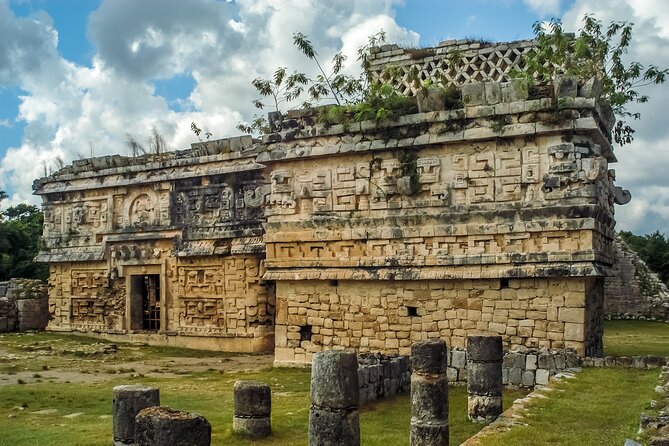
- La iglesia: The Decorated Facade and Chac Masks
- Real-World Tips: GPS Triggers, Audio Timing, and Phone Choices
- Who This Self-Guided Tour Best Suits
- Should You Book This Chichen Itza Audio Tour?
Key takeaways before you go
- Offline GPS audio: location-triggered stories after you download, no cellular needed
- Self-guided pacing: pause, restart, and repeat sections without syncing to a group
- A route that covers the essentials: El Castillo, the ball court, El Caracol, and the big carved facades
- Great value at $9.99: a guide-like experience for far less than private guiding
- Bring headphones: audio is hands-free, but you will want clear sound as you walk
- Some audio/GPS quirks happen: the map can be slightly off or narration can start a touch early
What You’re Really Buying With This Offline Audio Tour
This is not a ticket. It is a digital guide built for walking around Chichen Itza with narration that plays based on where you are.
The tour uses a phone app called Action’s Tour Guide App. You download it before your visit, then open the audio tour once onsite. The key benefit is that after download it works offline with GPS alone. That matters at Chichen Itza, because you do not want to waste time hunting for signal or praying your roaming package holds up.
You also get more than just audio. Each stop pairs narration with images and text, so if you want to read something fast instead of only listening, you can. The app can also trigger stories automatically when you reach a point, which is how you get that “guide in your pocket” feel without paying for a live person.
One more practical note I like: the tour is lifetime access, with no expiry. So you can reuse it at home to study first, or listen again after you visit.
More Chichen Itza trips:
- Chichen Itza, Cenote, and Valladolid Tour
★ 5.0 · 24,293 reviews - Chichen Itza, Cenote & Valladolid Tour with Tequila and Lunch
★ 4.5 · 15,789 reviews - Cancun: Chichen Itza, Cenote & Valladolid Tour with Lunch
★ 4.6 · 6,722 reviews
Price and Value: Why $9.99 Can Beat a Private Guide
At $9.99 per person, the math is straightforward. You are paying for explanation and direction, not for access. When admission and private guide costs feel heavy, a low-cost audio tour can help you see and understand the main parts without blowing your budget.
In reviews, people repeatedly compare this to the cost of hiring a guide and say it is a big savings while still adding clarity. I also think the value is strong because Chichen Itza is big, and the site has minimal detail signage in some areas. If you want context for what you are looking at, a paid audio layer can be worth more than a quick skim.
But do not let the price trick you. You still must buy Chichen Itza entrance separately. Some stops in the tour description explicitly note that entrance is not included, and that is a polite way of saying you need the normal site ticket to actually walk everywhere.
Getting Started: Setup Steps That Avoid 90 Percent of Hassle
This tour is self-guided. No one meets you at the start. So your best move is to treat setup like part of the trip.
Here is the flow:
- After booking, you receive an email and text with setup instructions and a password. You are told to search for audio tour in your messages.
- Download the tour while you have strong Wi-Fi or cellular. After that, it is supposed to work offline.
- On site, open Action’s Tour Guide App and enter the password you received.
- Launch the correct tour version for your planned starting point and direction, if multiple versions exist.
- Go to the starting point at 97751 Chichén-Itzá, Yucatán, Mexico.
- Start at the first story’s point. The audio begins automatically.
Once you are running, you can follow GPS cues and let narration play as you reach stops. You can also pause and resume whenever you want, which is useful when crowds thicken around El Castillo or you need a minute in the shade.
If something feels off, one tip from real use is to keep headphones in and be ready for minor timing glitches. A map that is slightly off can be annoying, but it also keeps you moving. And if audio triggers early, you can simply look around and locate the structure it is talking about.
Walking the Chichen Itza Route: Time, Pace, and What It Feels Like
Expect a good walking day even though the tour is only a couple of hours. The route is described as about 2 miles long overall, and the tour is often framed as roughly 1 to 2 hours to complete depending on how much you linger at each stop.
In practice, you should plan around heat and crowds. People do mention refreshment stalls and a place to sit in the middle of the compound to catch your breath. That means this is not all sprinting. You can slow down, take photos, and still keep the audio flowing.
Also, self-guided is a real advantage here. A big theme in feedback is avoiding the crush of guided groups. With GPS narration, you can step away, look closer, and then come back to your path when you are ready.
One more thing: headphone battery matters. One review notes that their battery drain was an issue. For you, the best insurance is a small portable charger in your day bag, and keeping brightness reasonable.
Backup plans for Chichen Itza
- Chichen Itza: Guided Tour with Valladolid & Cenote Chichikan
★ 4.6 · 911 reviews - Chichén Itzá Guided Tour with Cenote & Buffet at Valladolid
★ 4.5 · 680 reviews - Cancun: Chichen Itza Early Access Guided Tour
★ 4.5 · 616 reviews - Chichen Itza by Van: Reduced Group, Tour Guide, Fast Trip & Lunch
★ 5.0 · 605 reviews
Stop-by-Stop: What You’ll See and Learn at Chichen Itza
Below is the experience as the tour guides you through it, with what each stop adds and where you should pay attention.
Handicraft Market: Start With Context and Direction
You begin at the Handicraft Market. The narration sets the scene with the idea that this is land once inhabited by a lost Maya civilization, framed through relics and unanswered mysteries.
This first stop is also a gentle warm-up. It is marked as about 5 minutes, and it is a place where you can get comfortable with how the audio triggers and how the map points you onward.
If you are the type who likes to understand where you are walking before you step into a major ruin, this opening fits you well.
Guías oficiales de la Z. A. de Chichén Itzá Tu Guía Yucatán: A Quick Intro Mindset
Next comes an audio point tied to Guías oficiales de la Z. A. de Chichén Itzá Tu Guía Yucatán. The narration shifts toward the broader idea of Maya society being dominant and advanced in Mesoamerica.
This stop is short, about 5 minutes, but it helps you tune your brain for what comes next. You are not just looking at stones. You are learning what the stories around those stones are trying to explain.
El Castillo: The Landmark Everyone Talks About
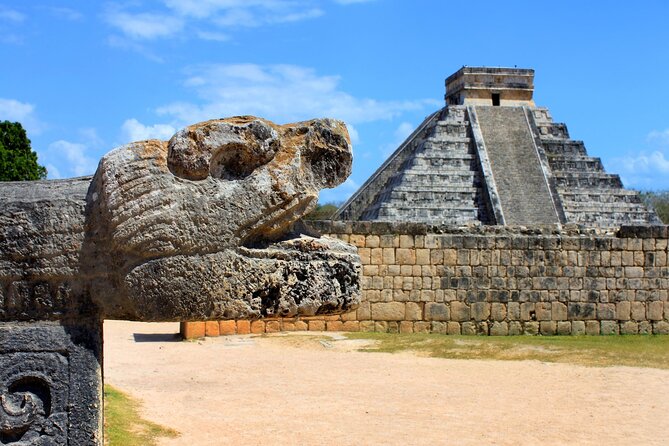
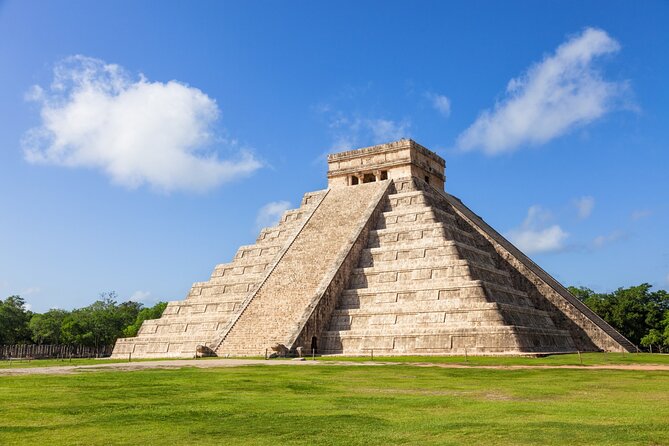
This is the big one: El Castillo, also identified in the narration as the Pyramid of Kukulkan. The audio explains it was built to honor the snake deity Kukulkan, and it frames the structure as a window into Mayan civilization.
This is where you will likely spend time. El Castillo is described as the most famous landmark at Chichén Itzá. So even with a self-guided tour, it can get crowded around peak hours.
Practical tip: go slow when the audio gets specific. People tend to rush to the iconic angles, but the tour’s narration is there to keep you looking at the details you might otherwise miss.
Gran Juego de Pelota: Ball Court Reliefs You Can Actually Spot
The Gran Juego de Pelota stop focuses on the ball court as more than a sports field. The audio highlights six sculpted reliefs running along the walls, and it suggests that ball players can become visible if you look closely.
This is one of those places where the self-guided format shines. Without a guide pushing you along, you can spend extra time aligning your view with the reliefs the narration references.
If you like “slow looking,” this stop is a good payoff.
Tzompantli: The Skull Rack Stop (Graphic Theme)
Tzompantli is described in the tour as literally meaning skull rack. The narration notes it represents where heads of sacrificial victims were placed after sacrifice, with warriors shown carrying human heads, plus skulls, snakes, and eagles.
That is a heavy theme. If you are sensitive to violence or graphic imagery, be prepared for this stop to feel intense.
For many people, the value is understanding what the site builders emphasized and how the monuments functioned. Just go in with open eyes.
Eagles & Jaguars Platform: Ceremonial Stage, Not a Temple Top
This stop explains the Eagles & Jaguars Platform as a square platform with stairways on each side. The narration suggests it was likely used for ceremonial purposes like dance, ritual, or public speeches, and it was never crowned with a temple. It was designed as a flat stage for public viewing.
I like this kind of narration because it helps you interpret what you are seeing. You are not guessing. You are getting a “how this space might have been used” lens.
El Caracol: Observatory Stories That Change How You Look Up
El Caracol gets a detailed explanation as part observatory. The narration says that from the top, the Maya would watch the stars and infer things about the future based on the movement of planets.
This is a smart stop for people who enjoy practical astronomy ideas, even if you are not an expert. It also naturally changes your behavior on site, because you want to look upward, not only at carvings.
Note: El Caracol appears again later as another audio point. You might feel like you are getting two angles or two different layers of explanation. Either way, it helps cement the idea.
Chichen Itza Yucatan: The Big Picture Overview Stop
The tour includes a longer narration point called Chichen Itza Yucatan that takes about 1 hour. This is where you get the site framed as a sacred center with nearly 1,000 years of history.
The narration also emphasizes the mix of Maya and Toltec influences. It says you can see this fusion in stone monuments and artistic works, and it highlights surviving buildings such as Warriors’ Temple, El Castillo, and El Caracol.
If you only had a short time and had to choose one place to linger for understanding, this is it. It builds context so every other ruin stop makes more sense.
Temple of the Warriors: Columns With Toltec Warrior Carvings
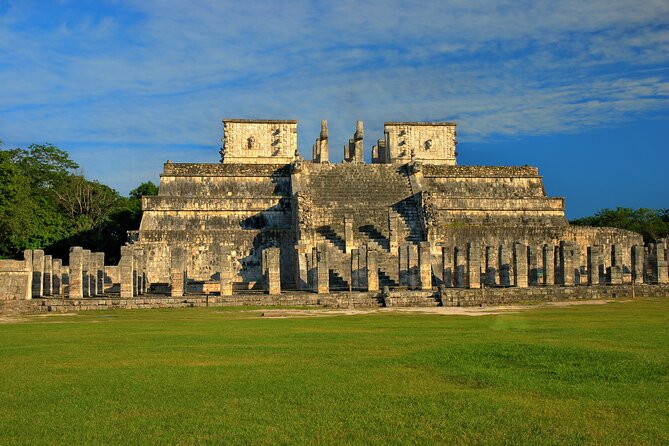
Next you get the Temple of the Warriors. The tour describes it like three thick tiers at the bottom with a small temple on top, plus about 200 columns with carvings of Toltec warriors in varying scenes.
This stop is where reading the structure helps. The narration gives you something to count with your eyes: the tiers, the columns, and the recurring warrior theme.
Red House: Latticework and a Name Hint
The Red House is also called the House of Little Holes because of latticework on the top that makes it look like little holes. The narration says the Mayan name is Chichanchob, which could mean “small holes.”
I like this kind of storytelling. It helps you connect a nickname you might not notice to an actual design choice.
The Ossuary and El Osario: Two Stops With a Similar “Bones and Caverns” Theme
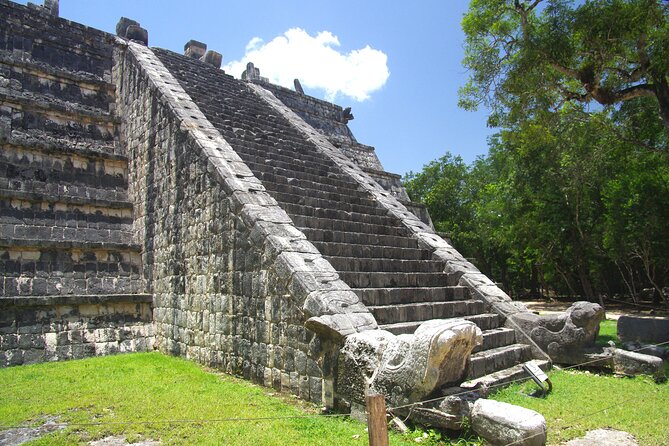
The tour includes The Ossuary, described as a pyramid named from human remains uncovered by archaeologists, with a cavern beneath and seven tombs believed to belong to high society.
Then later, you also have El Osario, described as the Ossuary and named due to numerous human and animal bones, also known as the High Priest’s Grave.
So you get two audio points that approach the theme from slightly different angles. That repetition can be useful if you like confirmation and detail. If you would rather move on quickly, you can treat one of these as your “main ossuary stop” and skim the other.
Either way, go in calmly.
Las Monjas: Large Building, Wall Text, and Kakupakal
Las Monjas is presented as the Nunnery and one of the largest buildings at Chichen Itza. The narration emphasizes its archaeological significance, pointing to a huge number of texts inscribed into the walls, including references to a ruler named Kakupakal.
This is a stop for people who like inscriptions and names. It gives you something specific to look for in the idea of “what’s written into the stones.”
La iglesia: The Decorated Facade and Chac Masks
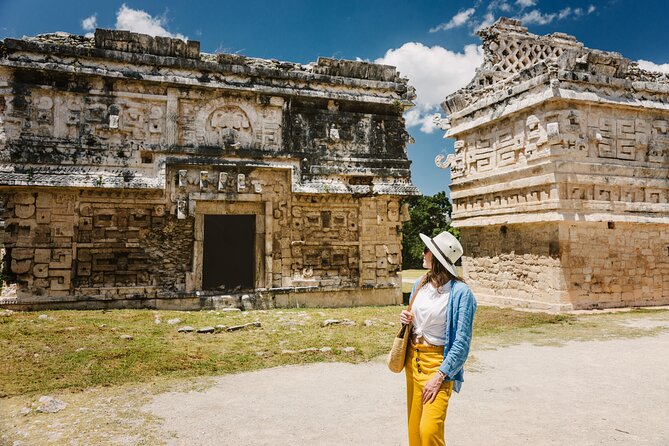
Finally, you end at La iglesia, described as one of the most photographed buildings. The narration says the exterior is almost completely covered with veneer decorations and decorated with masks of Chac on two upper stories.
It also notes that among the crowd of Chacs there are an armadillo, crab, snail, and tortoise. That mix of animal details and weather-related iconography (via Chac) makes this a nice visual farewell.
Real-World Tips: GPS Triggers, Audio Timing, and Phone Choices
The best version of this tour is the one where your phone behaves. Most users report that GPS worked well and audio triggered at the right moments.
Still, some small issues show up:
- The audio can start before you fully reach the exact spot, so you might have to scan around and locate the structure mentioned.
- The map can be slightly off, which is why following the audio cues in order matters more than trying to match every tiny detail on the screen.
- Some people had installation or access issues if the app was not set up correctly. So download while you have strong connectivity, and test the basics before you lose daylight.
The tour also recommends specific devices: iPhone with iOS 15 or later, Android version 9 or later, or an iPad/tablet with GPS and cellular connectivity for navigation.
If you are worried, here is a low-stress plan: download before you go, arrive early enough to troubleshoot, and keep a little buffer time in case audio takes a minute to sync.
Who This Self-Guided Tour Best Suits
This fits you if you want:
- Your own pace around a site that can feel overwhelming in a guided group
- Clear context for major structures like El Castillo, the ball court, and El Caracol
- A budget-friendly way to get something close to a guide without paying guide pricing
It is also a good fit for couples. One practical tip that comes up is sharing one tour by splitting headphones, using wireless audio so each person can hear clearly.
It may not be your best match if:
- You want a live back-and-forth conversation with a person
- You are expecting a deeper explanation of why the Maya city changed or was abandoned, because some feedback indicates the narration is more practical than fully exhaustive
- You hate any chance of audio timing quirks, because a small early trigger or map offset can happen
Should You Book This Chichen Itza Audio Tour?
Book it if you want maximum flexibility for a reasonable price. If you can download the audio beforehand, bring headphones, and keep your phone charged, you will likely enjoy walking the route and learning what you are looking at as you go.
Skip or reconsider if you are dependent on a flawless phone experience and dislike any chance of GPS or audio glitches. Also remember that this is not admission. You will still need your Chichen Itza ticket.
If your goal is to see the big essentials, avoid guide crowds, and learn as you walk, this is a strong buy for $9.99.
Just added around Chichen Itza
- Private Tour: Chichen Itza, Cenote Oxman and Lunch in Valladolid★ 5.0 · 66 reviews
- Small group tour to Chichen Itza early access + Cenote + Ekbalam★ 5.0 · 204 reviews
- Chichen Itza, Valladolid and Stunning Cenote – Private Tour★ 5.0 · 19 reviews
- Small Group with early access to Chichen Itza, Ekbalam and Cenote★ 5.0 · 166 reviews
- Small group tour to Chichen Itza early access + Cenote + Coba★ 4.5 · 22 reviews
- Chichen Itza and Cenote Full Day Tour from Playa del Carmen★ 3.5 · 22 reviews
- Chichen Itza Private Tour – Early & direct Access + Valladolid★ 5.0 · 52 reviews
- Guided Tour to Chichen Itza Cenote and Valladolid★ 4.5 · 192 reviews
Chichen Itza Tours & Tickets, compared.

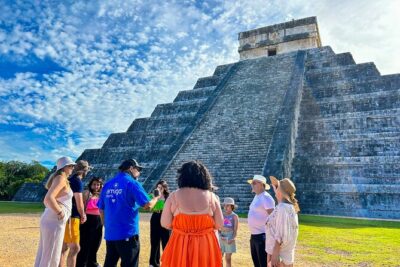
Chichen Itza, Cenote & Valladolid Tour with Tequila and Lunch
Read our review →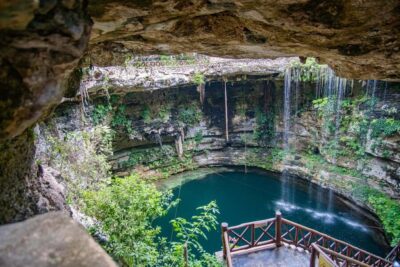
Chichen Itza, Cenote & Valladolid Tour with Lunch
Read our review →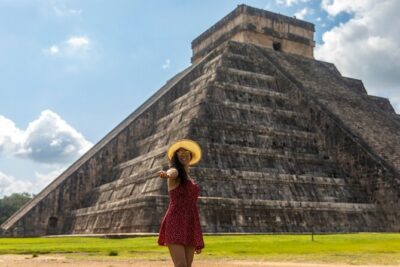
Early morning Chichen Itza Tour: Cenote and Tequila Tasting
Read our review →
Chichen Itza Early Access All Inclusive: Hotel Pick up & All Fees
Read our review →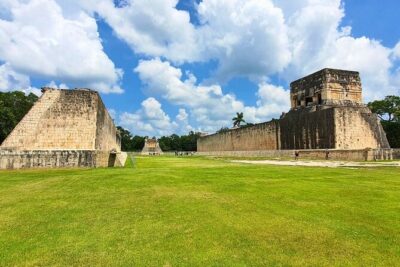
Chichen Itza Gastronomic, Valladolid and Cenote Extremo
Read our review →
Chichen Itza, Cenote and Valladolid Small Group Day Trip
Read our review →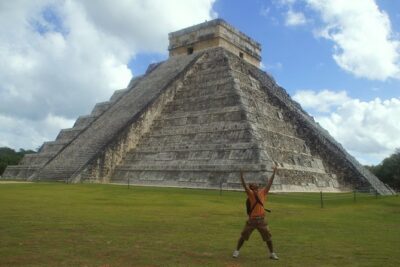
Browse the lists this tour appears in