
Reviewed · MEXICO
Boating along the coastline of San Carlos with a Marine Biologist
Dolphins show up fast on this coast. This 3-hour San Carlos boat outing pairs hands-on marine biology with real wildlife watching, from mangroves and guano-covered islands to a good chance at a bottlenose dolphin pod.
I really like two things here. First, the pacing and explanations make the Sea of Cortez feel like a living field lab, not a random boat ride. Second, you get fresh ceviche during the anchor stop, which keeps the day fun even when the wildlife steals the show (as it often does).
One thing to consider: it runs on water and weather. If you get seasick easily, you’ll want to follow the guidance about taking Difenidol about an hour before, and if conditions are rough the experience may be adjusted or canceled.
In This Review
- Key things to know before you go
- San Carlos and the Sea of Cortez, explained in real time
- Your guide, Michael, and why this feels more like a lesson than a lecture
- Stop 1: Bahia San Carlos and Esterito mangroves, where birds feed in the shade
- Stop 2: Roca San Nicolimaás, guano-covered rocks and blue-footed booby binocular time
- Stop 3: Isla La Raza, a flat-top island that birds actually love
- Stop 4: Bahía San Francisco and the dolphin pod search, bow rides included
- Stop 5: Playa San Francisco, ceviche lunch and snorkeling in sheltered water
- What you get for $80, and why it often feels fair in practice
- Who this boat trip is best for, and who should think twice
- Should you book this San Carlos marine life boat tour?
- FAQ
- How long is the boat tour?
- What time does the tour start?
- Is the tour offered in English?
- How many people are on the boat?
- What should I do if I get seasick easily?
- Is snorkeling included?
- What happens if I need to cancel or if the weather is bad?
Key things to know before you go
- Max 8 people on board, so questions actually get answered
- Esterito mangroves (red mangrove, Rhizophora mangle) and lots of bird action early on
- Binoculars included for close bird spotting around rocky guano islands
- Blue-footed booby nesting area is a real highlight if you’re lucky with timing
- Dolphin time in Bahia San Francisco, including bow-riding and mother-young groups
- Playa San Francisco ceviche plus optional snorkeling in sheltered water, if weather cooperates
San Carlos and the Sea of Cortez, explained in real time
San Carlos sits on the edge of the Sea of Cortez, and the coastline around it works like a natural stage. Mangroves feed birds. Islands concentrate seabirds. Then the fish and hunting patterns pull in the dolphins. On this tour, you’re not just looking, you’re getting the why behind what you see.
The best part is the feel of it. You move from habitat to habitat with the guide talking as you go. That means the “random” wildlife moments turn into a story you can actually follow. And because the group is small, you’re not waiting for a microphone moment while your view gets stolen by the next boat.
The day also has a practical rhythm: short scenic stops for birds, a longer search-and-watch window for dolphins, and then a calmer food and optional snorkeling break. Even if the ocean is a little stubborn, the plan is built so you still come away with something memorable.
More Mexico trips to line up:
- Chichen Itza, Cenote, and Valladolid Tour
★ 5.0 · 24,293 reviews - Chichen Itza, Cenote & Valladolid Tour with Tequila and Lunch
★ 4.5 · 15,789 reviews - Teotihuacan, Guadalupe Shrine & Tlatelolco Day Tour with Lunch
★ 5.0 · 11,603 reviews
Your guide, Michael, and why this feels more like a lesson than a lecture
This tour is led by marine biologist Michael, and you’ll feel his teaching style right away. In the way he points things out, it’s clear he’s not reciting facts for trivia points. He’s connecting birds, fish, and coastal habitats in a way that makes the whole ecosystem click.
What stands out from past trips is how personal it can be. People mention Michael as friendly, patient, and easy to communicate with in both English and Spanish. If you’re working on your Spanish, you may even get chances to practice. In several experiences, he also kept the schedule aligned with what the group wanted, especially when it came to wildlife.
You also get real field tools. Binoculars are provided for bird spotting. Reviews mention he brings sea life guidebooks, and he even has vinegar on hand for jellyfish stings. That’s the kind of detail that turns a “maybe” moment into a “we’re prepared” moment.
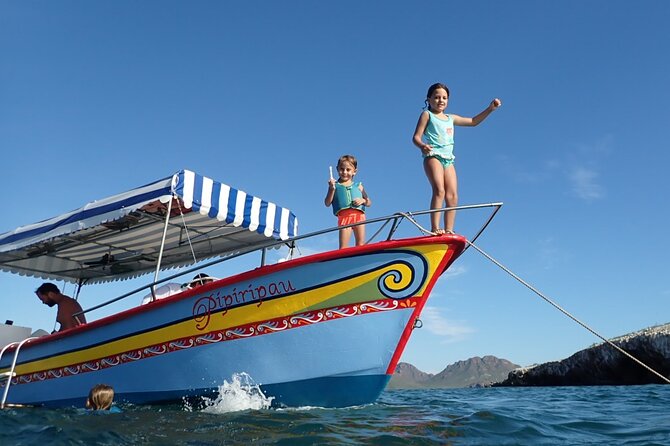
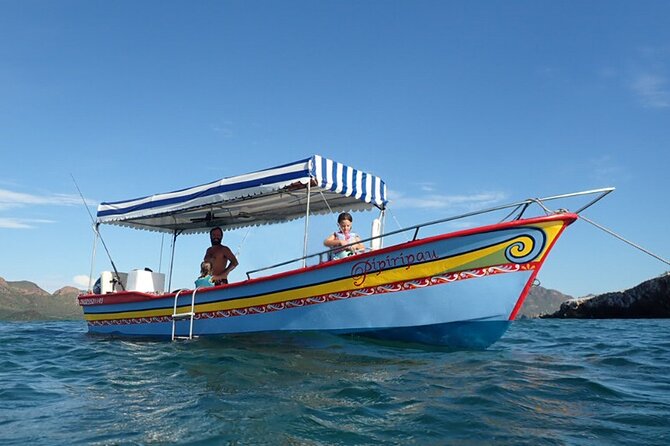
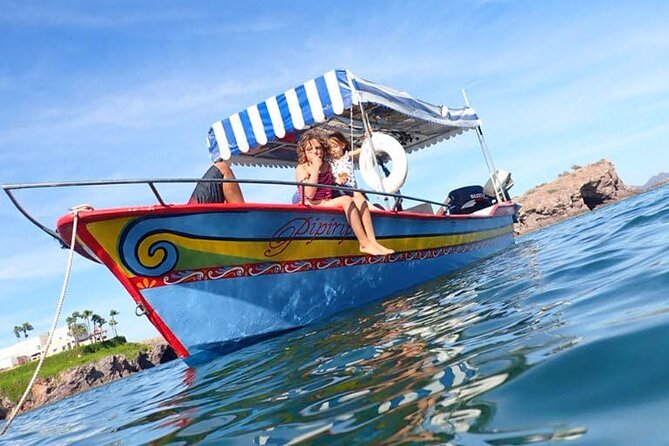
And yes, you ride in a traditional style boat. That matters more than it sounds, because it supports a more natural, coastline-focused feel. You’re watching birds and water changes at eye level, not stuck behind a windshield.
Stop 1: Bahia San Carlos and Esterito mangroves, where birds feed in the shade
Your day begins in Bahia San Carlos, with the action starting in the mangrove estuary known as Esterito. This is in the northern end of the bay, and the habitat changes fast once you enter it. Mangroves aren’t just pretty. They create sheltered feeding zones, and they attract a lot of marine birds.
One specific botanical detail the guide points out is the red mangrove, Rhizophora mangle. You may not memorize Latin names after the tour, but seeing the plant form up close helps you understand why mangroves matter. Those roots and channels create structure for food chains.
As the boat motors across the bay, you’ll also get commentary about coastal landmarks you can see from the water, including Caracol, El tomate, and El Acuario beaches. For many people, this stop sets the tone: you’re learning how to read the shoreline and spot the clues to what lives there.
Trade-off to keep in mind: mangroves are natural cover. That means you might see a lot of bird activity, but not every bird will pose for photos. If you like wildlife more than perfect pictures, you’ll be in the right mindset.
Stop 2: Roca San Nicolimaás, guano-covered rocks and blue-footed booby binocular time
Then you head toward Roca San Nicolimaás, a rocky island typical of the Sea of Cortez. The island is completely covered with white guano, and the guide uses that to connect biology to what you’re seeing.
Here’s the simple takeaway: guano is a sign that lots of birds are using the island for nesting or regular feeding. And those birds feed on fish, so the presence of large bird populations often points to fish abundance nearby. It’s not just an odd island smell, it’s an ecosystem marker.
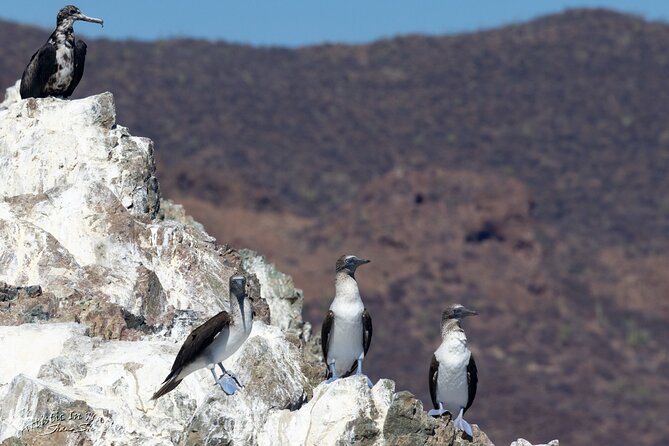
Bird spotting is a main event here. The guide focuses on the variety of birds that frequent the island, and binoculars help you make out behaviors and details. One bird you might get excited about is the blue-footed booby, Sula nebouxii, which nests here.
Practical note: this stop is shorter, about 20 minutes. It’s designed for maximum sighting potential, not a long hike or long waiting. If you want slower, deeper island time, this isn’t that kind of tour. It’s a watch-the-water-and-island tour, with quick stops that keep you moving.
Close by, worth a second look:
- Cabo Beach Camel Ride, Mexican Buffet and Tequila Tasting
★ 5.0 · 8,815 reviews - Xochimilco, Coyoacan and Frida Kahlo with Optional Lunch
★ 4.5 · 7,320 reviews - Mr. Sanchos Beach Club All-Inclusive Day Pass
★ 4.5 · 6,744 reviews - Cancun: Chichen Itza, Cenote & Valladolid Tour with Lunch
★ 4.6 · 6,722 reviews
Stop 3: Isla La Raza, a flat-top island that birds actually love
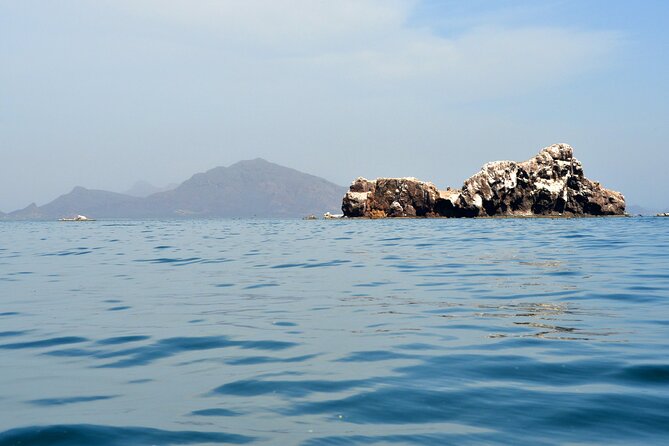
Isla La Raza is another guano-covered stop, but it’s different from the rocky islands. This one is flat and wide, which is described as atypical for the Sea of Cortez. That matters because flat tops provide practical nesting space for larger seabirds.
As you approach, the guide helps you look for big bird activity. Brown pelicans, Pelecanus occidentalis, are noted as nesting on the flat top. Like the earlier stop, the white guano indicates ongoing bird use and supports the idea that the area has strong food resources.
The education here is subtle but useful. You start noticing patterns, like how island shape influences what birds can do. Rocky islands create ledges and crevices. Flat islands become open nesting zones. After Stop 3, the ecosystem starts to feel less mysterious.
One drawback to consider: because the island is covered in guano and you’re not landing for a long time, your experience is still mostly observational. It’s still worth it, but it’s not a hands-on island walk.
Stop 4: Bahía San Francisco and the dolphin pod search, bow rides included
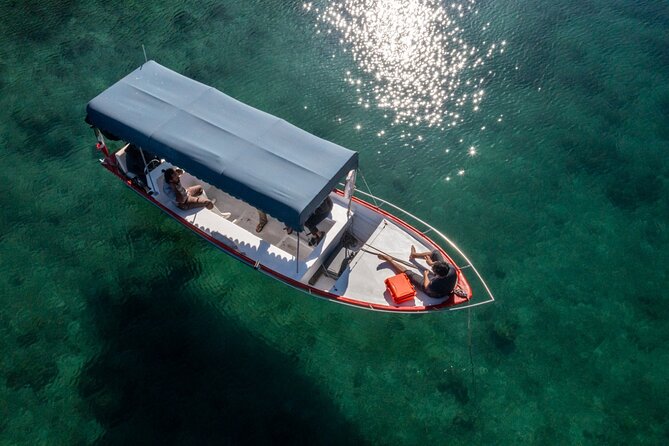
This is the long watch window, about 45 minutes, and it’s the one many people hope for hardest. Bahia San Francisco is a wide bay extending from San Carlos to the mangrove estuary Estero Soldado. The coastline is known for white sands, including Playa San Francisco.
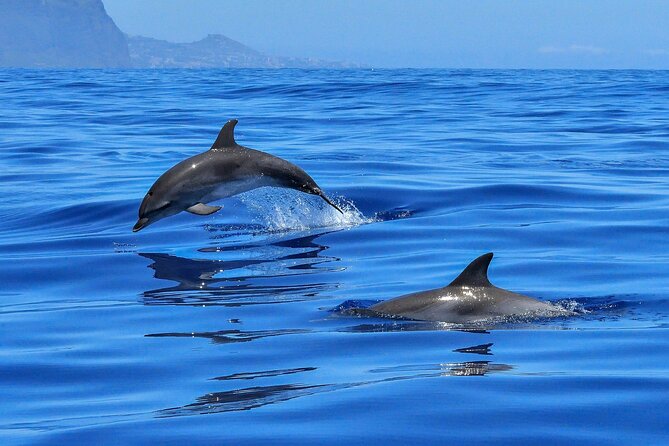
The main event is watching a local pod of bottlenose dolphins, Tursiops truncatus. What you’re looking for isn’t just sightings, it’s behavior. Past experiences describe dolphins riding the bow of boats, and young dolphins often appearing with their mothers. You may also see cooperative hunting behavior while the dolphins feed on stripped mullet, Mugil cephalus, a common fish in sandy-shore areas of the Sea of Cortez.
One of the best tips from reviews is that Michael is attentive and adjusts in the moment. Some people describe him using dolphin-calling techniques, where dolphins appear after what feels like a pause and a cue. Whether that’s always successful depends on the day, but it shows his focus: you’re not stuck with a rigid script.
Weather and daylight matter here. If the sun is bright and visibility is good, the watch feels even better. And if conditions are less cooperative, you still get time on the water with clear guidance on what to look for.
Stop 5: Playa San Francisco, ceviche lunch and snorkeling in sheltered water
The final stop shifts from wildlife spotting to food, relaxation, and optional snorkeling. You set anchor on the eastern side of Isla La Jama while you unwind and discuss what you’ve seen. The stop includes freshly made ceviche plus a variety of refreshments.
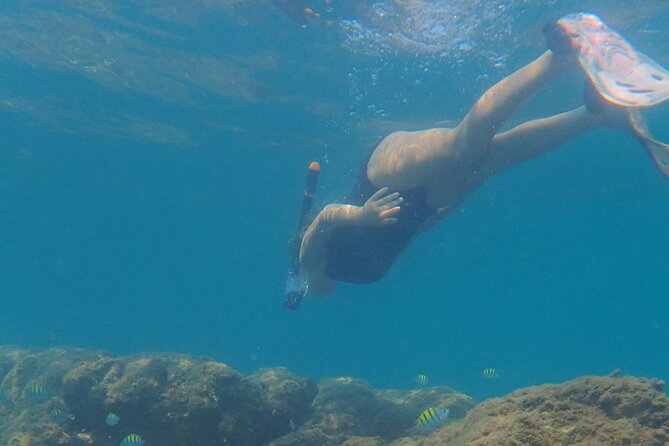
The beach is described as Playa Shangri-La, and it’s noted as calm and protected by Isla La Jama. Weather permitting, snorkeling is encouraged in these calmer waters, since the area is sheltered from swells. That makes a difference for comfort and for spotting marine organisms among the reefs of the Sea of Cortez.
From reviews, people really remember this part when they’re into seeing fish up close. Even for people who have snorkeled elsewhere, this spot can feel special because it’s protected and clear enough for the ecosystem to show itself.
Consideration: snorkeling is encouraged, not guaranteed. The tour notes that it depends on weather. If you’re prone to seasickness, plan to take the medication guidance seriously and expect that snorkeling happens only if conditions allow.
What you get for $80, and why it often feels fair in practice
At $80 per person for about 3 hours, this tour is built for value. You’re paying for more than boat time. You’re paying for interpretation, access to multiple habitat types in one half-day, and included extras like binoculars and ceviche.
It also helps that the group size maxes at 8. That’s where small tours feel different. You get attention. You can hear explanations. You can adjust when dolphins pop up or when birds move.
A few reviews also mention the price feels like a bargain compared with the cost and hassle of getting your own boat. That makes sense here. You’re not just paying for transportation, you’re paying for a guide who knows where to look along this specific coast.
One honest balance point: if you go on a day where the ocean is rough or wildlife activity is lower, you might feel the “watching” aspect more than the “wow” aspect. That’s the nature of wildlife travel. The tour still works because it mixes birds, dolphins, and snorkeling potential, so you’re not relying on one thing only.
Who this boat trip is best for, and who should think twice
This tour is a strong match if you want a blend of nature watching and real explanation. If you like learning without a classroom vibe, you’ll probably enjoy Michael’s way of tying together birds, guano, habitat, and food chains. It’s also a great pick for people who care about dolphins but don’t want to gamble on spending all day searching alone.
It’s also good for families, based on the tone of the experiences. The stops are short enough to keep energy up, and the dolphin portion provides a big payoff.
Where I’d be cautious: if you get seasick easily. The tour specifically recommends Difenidol about an hour before if you’re prone to nausea. That’s not a casual suggestion. It’s the kind of heads-up that keeps the whole day enjoyable.
Also, if you want a guaranteed in-water snorkeling experience, plan for the fact that snorkeling is weather dependent and only encouraged when conditions are right.
Should you book this San Carlos marine life boat tour?
Book it if you want a small-group marine biology guided boat day with a strong chance at dolphins, plus bird-focused stops that make the Sea of Cortez feel readable. The included ceviche stop is a real plus, and it helps you enjoy the ride even if the wildlife timing is off.
Pass or think twice if you need guaranteed snorkeling every time, or if you know you react badly to boat movement and you don’t want to use the recommended seasickness plan. This tour is built around being out on the water and watching nature at its own pace.
If you like learning while you look, this one is easy to get excited about.
FAQ
How long is the boat tour?
It lasts about 3 hours.
What time does the tour start?
The start time is 12:30 pm.
Is the tour offered in English?
Yes, it is offered in English.
How many people are on the boat?
The tour has a maximum of 8 travelers.
What should I do if I get seasick easily?
The tour recommends taking medication such as Difenidol about an hour before the tour if you easily get seasick.
Is snorkeling included?
Snorkeling is encouraged if weather permits at the Playa San Francisco stop.
What happens if I need to cancel or if the weather is bad?
You can cancel for free up to 24 hours in advance for a full refund. If it is canceled due to poor weather, you will be offered a different date or a full refund.
Just added around Mexico
- Departures in Luxury Sedan from Akumal to Cancun Airport★ 5.0 · 21 reviews
- Basic Diver – Bautismo★ 5.0 · 22 reviews
- PADI Discover Scuba Diving Program in the Riviera Maya★ 5.0 · 67 reviews
- Departure from Akumal to Cancun International Airport. Private Service★ 5.0 · 56 reviews
- Departures in Mercedes Benz from Playa del Carmen to Cancun Airport★ 5.0 · 49 reviews
- Cozumel Snorkeling Tour from Playa del Carmen★ 4.0 · 29 reviews
- DRINKING SCHOOL: Mexican Cocktail & Appetizer Class★ 5.0 · 23 reviews
- Cozumel Luxury Sailing & Snorkeling with Lunch and Open Bar Onboard★ 4.5 · 244 reviews